Business travel is a tiring ordeal for many people—whether it’s dealing with different time zones, crappy hotels and work. As many hospitality and travel companies within the $1.3 trillion industry are trying to improve the experience—focusing on mobile functions and customization in 2019 according to Jeff Berk, CEO of Tripkicks—travelers have more options to “make business trips suck less.” So what are some simple yet practical ways to get a head start? I reached out to several industry insiders to find out.
This can be part of your next business trip.
COURTESY OF NAYA TRAVELER
Bring a pre-charged phone charger
As someone who often travels for business, I know how important my mobile charger is. Since calls and emails can drain batteries very quickly, my advice for road warriors would be to keep a portable USB charger handy. I prefer something easy to pack like the Anker PowerCore+ mini, which is slightly larger than a regular Chapstick but adds six hours to a phone’s battery life. Another great option is the Mophie Juice Pack—a powerful charger that doubles as a phone case.
—David Bueno, General Manager of The Jefferson in Washington, DC
PowerCore+ Mini ($19.99)
ANKER
Maximize hotel rewards
For business executives who frequent the same cities or the same hotel brands, take advantage of hotel reward cards for significant savings and discounts. For example, the Bettoja Club Card provides a 20% discount on the car park ‘Garage Mediterraneo,’ a welcome drink at Hotel Mediterraneo’s Roof Garden, and a free stay for the second person from Friday to Sunday, among other benefits.
owever, traveling with loved ones can be stressful, so look for family-friendly hotels such as The DAYTONA that have “abundant recreation opportunities and proximity to local attractions.”
—Michael Melendez, General Manager of The DAYTONA in Daytona Beach, Florida
Look out for restaurants with children’s menus when traveling with little ones. (Photo credit: Getty)
GETTY
Stay to the left
Whether it’s the airport, bus terminal or train station, traveling involves constant maneuvering around other people. Because the majority of travelers are right-handed, we tend to favor the right in general. So when confronted with moving walkways, lines or check-in desks, keep to the left and see where it gets you.
—Beth Gibson, Experiential Travel Expert of Avis Car Rental
Walk on the left side (Photo credit: Getty)
GETTY
Talk to HR
Raise issues of archaic policies to your HR team to allow for more choice and humanity in your business travels. A great way to begin the conversation is through the use of benchmarking. Companies want to remain competitive, and if they’re falling too far behind, they need to hear it from their employees. Travel Management professionals have access to The Association for Corporate Travel Executives(ACTE) and the Global Business Travel Association(GBTA), which focus on educating and communicating new trends plus standards across companies. Generally, talk to your fellow business travelers and see what their business trips are like!
—Jeff Berk, CEO of Tripkicks
Make the most of travel resources
There are so many companies and platforms geared for better business travel; use them! For instance, “companies like Freebird take some of the pain out of flight cancellations,” offering a mobile solution for business travelers to quickly book a new ticket after any cancellation, delay or missed connection.
And at Tripkicks, we value business travelers who are willing to make cost-saving choices, so we reward them with part of their savings. To stay up to date with the best travel apps and resources, check out the occasional ‘10 best travel apps’ blog posts, but there’s no substitute for talking to your globetrotting friends!
—Jeff Berk, CEO of Tripkicks
Rewards at Tripkicks
TRIPKICKS
Take excursions
Embrace the bleisure (business and leisure) trend by taking excursions. They come in different forms and lengths, ranging from a two-hour Ayurvedic treatment in India to a full-day relaxation experience in an exclusive property in Morocco. The idea is to disconnect from the stresses of business travel, really switch off and explore a new destination. If you want to immerse into a unique culture and lifestyle, it’s worth investing in a travel planner that can tailor your itinerary around your preferences and time constraints.
—Marta Tucci, Co-Founder of Naya Traveler
BONUS: As a cheaper alternative, Berk suggests checking popular platforms such as Viator, Airbnb and Walks for different authentic, local experiences.
The day of your much-anticipated vacation has finally arrived. Your bags are packed. Your mobile boarding pass has been downloaded. There’s only one thing left to do: get yourself to the airport. So you reach for your phone and pull up your rideshare app of choice and request a ride to the airport. Your driver pulls up in front of your home and helps you put your rolling bag in the trunk. And as you hit the road they start up some casual conversation. “Where are you headed?” “How long is the trip?” “Business or leisure?”
To you, it’s idle chit-chat. To someone with nefarious intentions, it’s the keys to the kingdom. Your kingdom, to be exact.
This is the scenario that took place in a San Mateo, California neighborhood on April 4. An Uber driver, after dropping off his passengers at the airport, attempted to burglarize their home but was derailed by an activated security alarm. The driver then moved on to ransacking a neighboring home. Luckily, the owners of the second home had a security camera and once the video was shared via Ring (a community watch platform), other users recognized him as an Uber driver that had been lurking in the neighborhood. The next day the San Mateo Police Department identified and arrested the Uber driver for first degree burglary, and attempted first degree burglary, and obstructing/resisting/delaying peace officer in the performance of their duty
According to the San Francisco Chronicle, Michael Haobsh, a San Mateo police spokesman, said that this was the first rideshare burglary case in the city that he was aware of.
Of course, most drivers are just trying to do their jobs. But knowing the exact time frame of when a home is going to be empty makes it ideal for burglarizing. So on the off-chance you’re being driven to the airport on an ill-intentioned fact-finding mission, make sure you and your home are left alone and you can spend your vacation relaxing and not fixating on the flimsy lock on your back gate you’ve been meaning to fix.
Sven Hansche/Shutterstock
How to Protect Yourself
Have a security system and/or a surveillance camera. In the San Mateo case, the burglar was successfully scared off by the alarm and the footage from the camera lead to the burglar being found after he ransacked the house. Often the simplest solutions are the best!
Get picked up from a third location. Instead of allowing the driver to make a note of your exact address, arrange to be picked up somewhere else. A nearby coffee shop or the closest intersection works fine.
Straight up lie. Make up a relative that’ll be house-sitting while you’re gone. Casually drop a reference to your new (read: non-existent) home security system. Say that you’re actually on your return flight and that you were staying at an Airbnb. Anything that makes your home look like a difficult target will do.
Don’t post on social. Your rideshare driver might not know your Insta handle but it’s a good rule of thumb to keep any references to you being out of town on the down low.
From Scandinavia to the Canaries, readers select picturesque sites with exciting activities amid some of Europe’s finest scenery
Walk this way … Renndølsetra campsite is a car-free zone, and a 3.5km walk in.
Winning tip: Car-free in Norway
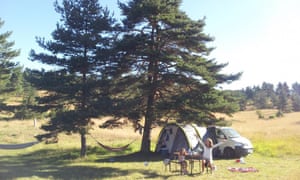
Thanks to Innerdalen’s preservation status, the campsite at Renndølsetra is a vehicle-free zone, a 3.5km walk from the car park. But it’s worth the effort – rolling hills, rivers, a glacial lake and the pyramid peak of Innerdalstårnet. The site is on a dairy farm, and there are also grass-roofed bunkhouses. The on-site cafe sells its butter and cream, but burning off the calories is easy. The owner, Eystein, pointed out local hikes, and a bracing dip in the lake is a must. •Tent pitches £6.30pp, innerdalen.com John K
Profile
Readers’ tips competition: send a tip for a chance to win a £200 voucher
Show
Glacier experience, Norway
A couple of years ago we found the most amazing campsite surrounded by glaciers, mountains and huge waterfalls in the Jostedal national park. The campsite, Melkevoll Bretun, included a free sauna, a beautifully designed barn for cooking and eating with huge glass windows offering panoramic mountain views, and a camping experience in a “stone-age” cave. Our children, aged 11 and 9, really enjoyed the natural bouldering course and the trails around the campsite connecting it with the surrounding nature. •Motorhome, caravan, tent and car: £16 + £3 per person, child (4-12) £1,melkevoll.com Denisa Francis
Black Sea pitch, Romania
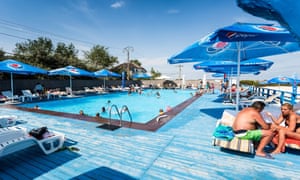
My recommendation is Gura Portitei, a thin sliver of sand separating the Black Sea from the Danube delta. There are tent pitches, and cabins from £6 to £20 a night, alongside a hotel and a restaurant. Reached by ferry or two-hour speedboat journey across the lake, the location is less of a tourist magnet than resorts in the south. The true star here is the delta, a unique and protected natural area offering boat trips, fishing and excellent food. Maria
Mountain eco, Slovenia
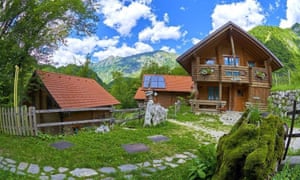
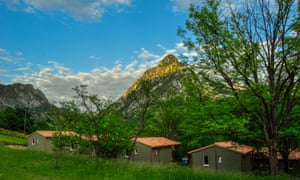
Koren campsite is in a magnificent setting by the Julian Alps and on the banks of the Soča river, with its canyons, gorges and waterfalls. It was one of the first Slovenian campsites to be awarded the Ecolabel for sustainable tourism. There are tent pitches, but we stayed in a beautiful wooden eco-lodge for six. Numerous activities are on offer, many water-based. Kayaking was the highlight for us, while the kids loved the on-site climbing wall. The shop sells local organic produce. •Adult from €12.50, child (7-12) €6.25, under-7s free, glamping huts (sleeps two) from €40, chalets (sleeps four+two) €200, kamp-koren.si Rob
Baby-friendly camping, Germany
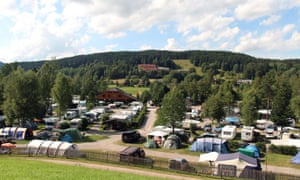
Attention to detail made Camping Bankenhof on Lake Titisee so pleasurable – low washbasins, baby bath and family shower cubicles – all spotless. There were even emergency dummies! The year-round site offers activities for all ages, including bikes and go-carts. We took advantage of the Konus card, which gives free access to local buses, trains and trams. We visited Freiburg and the Hasenhorn mountain coaster – one of the longest toboggan runs in Europe and a huge hit with the kids. •From €26.50 for two adults, 3-5 years €3.50, 6-15s €5.50, camping-bankenhof.de Sherry
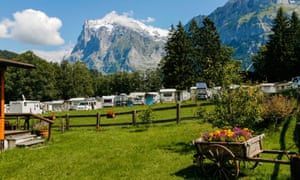
Eiger and more, Switzerland
Alpine lakeside, Switzerland
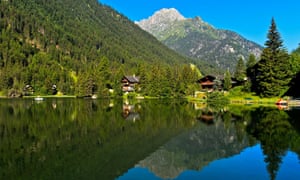
Trudging uphill, carrying overloaded backpacks, sweating in the high summer heat, I was sceptical that whatever lay at the end of this hike would be worth the effort. Then the sparkling light on Lac de Champex came into view. I couldn’t decide if I wanted to drink it or swim in it. A few paces further on is the sweet and simple Camping Les Rocailles, a small campsite with basic but functional amenities whose real draw is the location. Under a glacier on the Tour du Mont Blanc route and with that lovely lake a little further along, it’s the perfect base for adventures on foot or by bike. •Adult €8, child (5-12) €5, hikers’ package for two or more €15pp, champex-camping.ch Laura
Europe’s highest, Switzerland
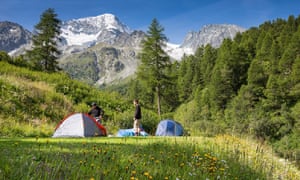
Surrounded by sharp peaks and glaciers, Camping Arolla is the self-styled highest campsite in Europe (1,950 metres), offering immediate access to excellent hiking and climbing from its few grassy terraces. The best pitches are fringed with wildflowers against a backdrop of larch and pine. It’s a very special place to roll out of bed in the morning and breathe the freshest Alpine air. It has modern facilities and a good shop selling camping supplies and local food and drinks (try the apricot wine), plus some tents for hire. There are restaurants down in the village half a mile away. •Two adults, tent and car from £21.50, camping-arolla.com Marlow
Free natural highs, Tenerife
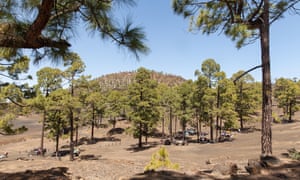
There is a network of free campsites across the island, but Zona Acampada Chío is our favourite. The facilities are basic – toilets, barbecue area, playground – and it’s at around 1,700 metres, so you need pretty good gear, which you have to carry 400 metres from the car park. But the solitude, peace and views more than make up for it. On a clear day you can watch the sunset over La Gomera before setting off early to climb Teide volcano, the highest point in Spain.
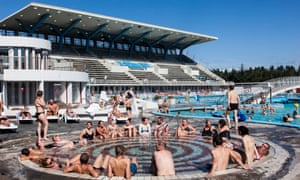
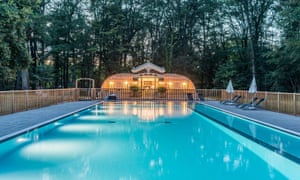
Very green and with lots of space to run around, Reykjavik Campsite has communal barbecue and cooking areas, bike hire and hostel facilities on site. The campsite is next to a de facto spa with a 50-metre outdoor pool, hot pots and steam bath, with affordable (state-subsidised) entrance fees and open till 10pm each day. But when the sulphurous spa water courses from the campsite’s own showers, even washing in the small hours in the mysterious light of the simmer dim (summer twilight) is to be immersed in a unique kind of luxury. •From £15pp (maximum stay seven nights), reykjavikcampsite.is Lilian
Cliffs and craic, Ireland
The coast of Kilcar in County Donegal, Ireland Photograph: Marie Carr/Alamy
Advertisement
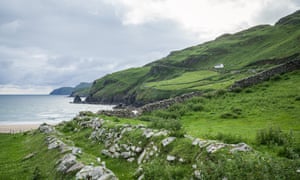
Near Kilcar in County Donegal, Derrylahan Independent Hostel Campsite is a lovely grassy flat site with spectacular views into Slieve League and a beautiful hidden beach a stone’s throw away. It’s two miles to the villages of Kilcar and Carrick, where there’s a renowned music scene and excellent hospitality. The waymarked path to the highest sea cliffs in Europe runs past your tent. Shaun, your host, is the most knowledgeable local guide imaginable, the whole place is on a working farm with chickens cows and sheep. Oh, and there’s a well-equipped camp kitchen and drying room (sometimes it rains in Donegal). •From €8pp,derrylahanhostel ie Brian Lamb
Venice over the water, Italy
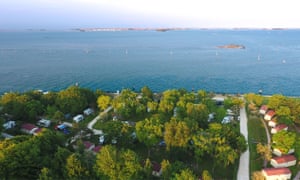
Camp cheaply on the Venetian lagoon at Camping Fusina, with perfect views over to Venice. This indisputably hidden gem, nestled scarily between a cargo boatyard and heavy industry, is nevertheless a wooded paradise with a laid-back hippy vibe and stylish, beautifully shabby 1950s architecture. You can walk five minutes to catch the ferry to Venice, or simply watch the vast cargo ships block out the sky as they chug to the dock next door. Unforgettable. •€12pp in high season, campingfusina.com Claire
Fever pitch, Italy
Secluded and peaceful Camping Milano, on the western outskirts of the city and just short hop from the San Siro stadium, makes a convenient base from which to explore this high-fashion Italian city at high-street pricing. With an impressive selection of pitches, tents (small tent €6.50, tree tent for two €30), plus cabins and luxury eco-suites (€100 for two) it offers plenty of choice, and an excellent slice of pizza with a cold beer in the campsite bar after a busy day of shopping and sightseeing. Perfect for footy fans, trade show visitors and those seeking a budget weekend break. •Adult from €9, 3-10s from €7, small tent from €6.50 a night,campingmilano.it Anna Kennett
On the waterfront, Italy
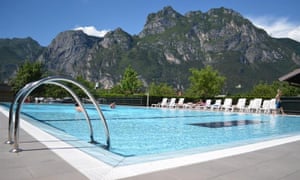
Just metres away from the beautiful but busy shores of Lake Garda, Camping Brione is a gem. It sits on the edge of Riva del Garda, surrounded by majestic mountain massifs. The tent pitches areon terracesdotted with fragrant fruit trees that provide a welcome refuge from the summer sun. The pitches are small but private and really do offer sanctuary from the motorhomes below and the hustling town beyond. Perhaps the real secret to Brione is its evening “pasta party”, an affordable three-course buffet. It’s an insight into Italian communal meal times, which leaves a smile on your face. •Adult from €7.50, 3-14s from €5, pitch from €7.50, campingbrione.com Graham Parkes
Amid pinewoods in the Cévennes, Domaine de Pradines is my all-time favourite campsite, with wild camping, camping close to facilities, cabins or glamping in yurts. Facilities include a pizzeria, shop, playground and pool, but it was the Unesco-listed surroundings and night sky that won me over. The campsite deliberately doesn’t have much artificial light, so you can view the night sky in all its glory. One night we saw three shooting stars. •Adult from €6.50, 4-15s €4.50, yurt (sleeps two) from €45, domaine-de-pradines.com Esme
There is a campsite near Tours in the Loire Valley called L’Orangérie de Beauregard, which is perfect for visiting chateaux in the region. Opened last year, it is family- and pet-friendly, has a lovely swimming pool and impressive restaurant. Activities include kids’ clubs and wine-tasting sessions. There are also plenty of local vineyards and markets to stroll through. •From €30 a night for two, orangeriedebeauregard.com Will
For fantastic family camping, close to the river and set in a beautiful gorge, I recommend Camping Domaine Chasteuil at the entrance of the Gorges du Verdon. There’s great walks, canyoning, rafting, bird-watching and cycling opportunities (we always take bikes). Children can have fun floating down the river on big air rings. The campsite has large pitches, a swimming pool, and the warm and welcoming staff are happy to put on entertainment for younger children if required. The beautiful town of Castellane sits at the head of the gorge, with great places to eat and wonderful markets. •Adult from €14.50, under-6s free, chasteuil-provence.com Kim Gould
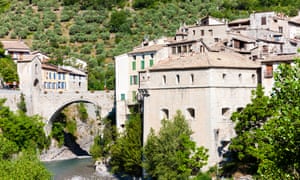
Entrevaux village, on the Var River. Photograph: Getty Images
Camping du Brec is a campsite on a stunning lakeside in Entrevaux, south-east France. Our kids loved the free kayaking and paddleboarding and the friendly owners, Claire and Eric, organised a day’s climbing for us in the mountains. I took part in the yoga each morning by the ake. The picturesque village of Entrevaux is a short walk away. If you seek a non-commercial atmosphere with plenty for the kids to do, shady pitches and a evening in a lovely lakeside bar amidst the mountains, this is a campsite for you. •From €26 a night for four, camping-dubrec.com Lisa Anderson
Les Olivettes, in Les Mées, north of Aix-en-Provence, is a stunningly calm campsite. There are some areas with pre-pitched safari tents, but we stayed in our own tent in the Olive Grove, and all the sites are well thought-out, spacious and beautifully landscaped with trees providing shade and privacy and mosquito-repelling plants. The pool, kids’ area and kitchen and bathrooms are spotlessly clean and the whole place evokes a luxury that can be difficult to achieve at a campsite. It is is well-placed for exploring both the Luberon and the Verdon. • Pitch for up to six from €15 a night, campinglesolivettes.com Sophia
La Ferme de Croas Men campsite in Brittany is as close to perfect as you could find for a relaxed family holiday. There are some marked pitches but we chose to camp in the field opposite the farm donkeys where you can choose your spot. The kids loved visiting the animals, the interesting farm buildings and the fresh croissants and homemade apple juice for breakfast. Our two youngest got chickenpox on the first day but we managed to entertain them on the campsite until they weren’t infectious thanks to the lovely (and immune!) neighbouring families. Other plus points are the bathrooms, the indoor spaces with toys, the parks and the donkey rides. A great holiday.
A colorful symbol of pride has found a new, permanent home in Australia.
According to SBS News, the city of Sydney, Australia has unveiled a rainbow crosswalk in honor of the city’s 2019 Gay & Lesbian Mardi Gras back in February.
The new crossing, located at Taylor Square, rounding the corners of Campbell and Bourke Streets, is not only a colorful new addition to the area but is also a symbol of LGBTQ pride. According to Lonely Planet, the crossing was once a temporary installment on Oxford Street, back in 2013, but was removed by the state government over “concerns for pedestrian safety.”
Since then, people inspired by protester James Brechney have been coloring in their own DIY rainbow crossings in chalk, inspiring similar protests in the U.S., as well as several countries in Europe, Africa, and Asia, according to Lonely Planet.
The rainbow flag, designed by San Francisco artist Gilbert Baker, has long been a symbol of the gay rights movement and holds a poignant meaning for LGBTQ equality and freedom around the world.
Moore noted that the city’s unique crossing may also be the first rainbow crossing around the world to take on a traditional, curved rainbow shape as well.
“This beautiful gesture brings a smile to everyone who walks across it,” Brechney, who is also the founder of the community organization DIY Rainbow, told SBS.
You can see unexpected rainbows all over the world, whether they’re natural occurring arrays of color in the mountains of Peru, or entire towns painted in bright colors.
Plenty of people come to Las Vegas to indulge in blackjack and blackouts. But visitors who’d rather hole up to detox shouldn’t shun a trip here, either. There’s an alternative Las Vegas that’s easy to seek out for anyone who prefers their indulgences to come from the spa.
Where to stay
Five years ago, MGM Resorts introduced its StayWell rooms at the
MGM Grand
. It now offers wellness-focused suites in two additional properties too,
The Mirage, Las Vegas
and the erstwhile Monte Carlo, just reborn as the
Park MGM Las Vegas
. In all StayWell rooms, you’ll find a lighting system that’s warm-toned, rather than cool, to better preserve the body’s circadian rhythms. The bathrooms all feature showers with Vitamin C-infusing nozzles, supposedly to nuke the remnants of chlorine in the water, making it softer on your already desert-dried skin. Look for HEPA-standard air purifiers, too, plus all-natural mattresses and access to Cleveland Clinic-developed programs aimed at improving sleep or reducing stress.
if you’d rather sweat out the stress than sleep it off. Hotel staff will deliver a workout cart to your room, gratis, every day from 7 a.m. to 7 p.m., which includes yoga mats, stability balls, fitness discs, and, most importantly, some post-workout foam rollers.
Where to work out
Vegas is the city that puts the Cirque in circuit training—du Soleil currently operates six shows on the Strip, each stacked with buffed performers. Learn their secrets firsthand at Shine Alternative Fitness, a studio set up five years by champion acrobat and Cirque alum Dima Shine, who hires his fellow performers to put attendees through classes that feature aerial silks, anti-gravity yoga, and other stagecraft. There’s a similar program at Aerial Athletica, a newer studio also helmed by a veteran Cirque performer, pole and aerial specialist Yukari Cooperstock; it offers kids’ and teen classes, as well as a range of adult workouts.
Sin City’s homegrown alternative to Soul Cycle is The Ride, owned and run by a local trio. Immerse yourself in the amphitheater-like setting of The Ride; even the pro-grade sound system has star power—it was engineered by Céline Dion’s personal consultant.
Skip the standard yoga classes available at most gyms and opt instead for some Yoga in the Sky. The four-person, one-hour session, led by a Silent Savasana instructor, takes place inside one of the glass cabins of the High Roller, the 550-foot-high wheel at the LINQ Promenade at the center of the Strip with views out across the city. Or drop $3,499 on the only-in-Vegas option of HeliYoga: up to six guests are whisked by helicopter out to the remote Valley of Fire State Park, full of extraordinary red sandstone formations. Then, take a short hike before a 75-minute private yoga session in situ after which you’re flown back to the hubbub.
Woozy revelers have made booking at one of REVIV’s clinics for a hangover-busting IV bag an essential ritual for Vegas hedonists. But there’s plenty on the menu that’s aimed at more virtuous visitors—try an energy-enhancing B12 shot or the vitamin-packed Megaboost, all delivered in ultra-plush surroundings and full-body massage chairs.
Among conventional spa treatments, the 810-square-foot
Bellagio
spa suite is the standout, ideal for a pamper-prone group. It’s a private hideaway for treatments, with showers, a lounge spa, and its own therapeutic Watsu pool. Quirkier options take in both extremes of therapy via a hammam and an ice room. The former, housed inside
The Cosmopolitan of Las Vegas
‘s desert-inspired spa, is the only one of its kind on the Strip—you even lie back on the heated motherstone that doubles as a massage table for your treatment. Tucked into the enormous, Roman-themed Qua spa at
Caesars Palace
is the Arctic Ice room. The chilliest spot for miles, it riffs on a the Roman tradition of a frigidarium, with added Instagram-era wonders. Instead of a simple ice cold plunge pool, brave folks can cool off here as snow (well, soap crystals and water) cascades from the ceiling. To soothe aching muscles and frazzled nerves head to a therapeutic session inside the Himalayan salt cave inside the spa of
The LINQ Hotel & Casino
. Spend your 45-minute session holed up in the glowing room, where the salt is said to calm your mood and, when breathed in, ease asthma and other sinus troubles.
Meanwhile, if you’d rather indulge in an al fresco, all-natural spa day, head to Arizona Hot Springs, just south of the Hoover Dam in Boulder City. There’s a complex of warm—even hot—mineral-packed pools and waterfalls that you can reach via boat on the Colorado River or a bracing three-mile hike from Highway 93 (bring ample water and sturdy shoes).
Where to escape to the outdoors
Vegas might seem like the ultimate artificial playland—equal parts air-tight and air-conditioned—but venture beyond the Strip, and the outdoors quickly encroaches. And a good thing, too: this corner of Nevada features an assortment of astonishing landscapes, with ample options for all-natural sweat-breaking.
Red Rock Canyon, with almost 30 different numbered hikes and trails winding through the limestone and sandstone mountains, is a standout. The 2.6-mile Ice Box Canyon trail is one of the best for beginners, weaving through pine trees and juniper bushes until it reaches a waterfall; if you’d rather tackle a trickier trail, consider hiring a guide. Just south of Red Rock is Spring Mountain Ranch State Park, where you can swap the Strip’s flashing lights for flashlights during ranger-led night hikes. Clamber through the grove of 300-year-old ash trees and look for burros, the wild donkeys of Nevada that were once vital to the state’s mining industry.
It was back in Nevada’s early days that Bootleg Canyon earned its name, via the countless moonshine stills that were hidden here. Just a 30-minute drive from the city center, it’s another ideal spot for mountain biking and hiking. Come at dawn to beat the heat and see the sun rise over Joshua trees. For an extra adrenaline rush, book a session at Flightlinez, which operates a network of zip-lines over the terrain, with the vertiginous first leg starting at 3,500 feet in elevation.
Even if you don’t have time to leave the city, try the indoor rock-climbing wall inside Canyon Ranch spa at the Grand Canal Shoppes at
The Venetian
. You can scuttle up and down the 40-foot high obstacle from just $29 per person.
Disney’s glittering theme parks draw the crowds year-round – but there are plenty more besides its fairy tale offerings. From huge sites dotted with hair-raising roller coasters to smaller family-owned affairs, the USA has no shortage of amusement parks. We’ve picked the best across the country to find out what’s in store for the 2019 season.
Universal’s Islands of Adventure, Florida
Spreading itself over 110 eye-popping acres, Islands of Adventures is one of three theme parks at Universal’s Orlando Resort (Universal Studios and Volcano Bay water park deserve a mention too). It’s made up of themed “islands”. There’s a great section of The Wizarding World of Harry Potter on one, including Hogwarts Castle, a chance to board the Hogwarts Express, and from 13 June 2019, a new roller coaster, Hagrid’s Magical Creatures Motorbike Adventure. The Marvel Super Hero Island includes a stellar green roller coaster themed around the Incredible Hulk.
Cedar Point, Ohio
This park in Sandusky fancies itself as “the roller coaster capital of the world”. It’s not undeserving of its self-afforded moniker, either, with 18 tumbling roller coasters and 53 other rides. This year, the park gears up for the opening of Forbidden Frontier on Adventure Island which promises to be an interactive, live-action experience with mind-boggling challenges to test the whole family. There are plenty of spots to stay on site and nearby, including the cabins of Lighthouse Point campground.
Six Flags Magic Mountain, California
There are several stateside parks in the Six Flags portfolio, but this one edges above the rest for its sheer stock of hair-raising rides. There’s Viper, a spiraling coaster that rattles off at 70mph, and Twisted Colossus, a hybrid wood and steal coaster packed with twists and rolls. Those not possessed by the need for speed can take in one of the family-friendly shows. The park lies around an hour’s drive from downtown Los Angeles.
Hersheypark, Pennsylvania
This park describes itself as “the sweetest place on Earth”. It began life as grounds for Hershey’s Chocolate Factory workers, and has now grown into a mammoth family park with heady roller coasters, gushing water rides and spirited shows. Highlights include The Shore, a 378,000-gallon wave pool, and the wooden, double-tracked Lightning Racer coaster, the first of its kind in the USA. If you want to make a weekend of it, you can stay on site at Hershey Lodge or The Hotel Hershey.
Dollywood, Tennessee
This loud, proud park in the foothills of Tennessee’s Great Smoky Mountains is co-owned by country legend Dolly Parton. It has been in operation since 1986 and covers 150 acres, each one crammed with all manner of colorful rides and amusements. The Wild Eagle coaster is a highlight. Riders are strapped to the “wings” of seven steel eagles, soaring above the park at more than 200 feet (60m). New for 2019 is Wildwood Grove, with family-friendly rides and Hidden Hollow, an indoor playground. In true Parton style, the evening unfolds with musical shows and you can stay over in the Dollywood Resort.
Carowinds, North Carolina
A slew of wiggling, looping roller coasters dot this bold site in Charlotte. Fury 325 is the jewel in the park’s dizzying crown: the world’s tallest, fastest giga coaster, it soars to 325 feet (99m). The big draw for 2019 is Copperhead Strike, a mile-long steel ride that hurtles you from 0 to 42 mph in 2.5 seconds. When you’re ready to relax Camp Wilderness Lodge, made up of little wooden cabins, is on the park’s doorstep.
Holiday World & Splashin’ Safari, Indiana
The whole clan is catered for at this park in Santa Claus, southwest Indiana. Those with a head for heights should brave the mighty arch of The Voyage, whose wooden track reaches 173 feet (52.7m) at its highest point. Visitors after a gentler ride can try HallowSwings, a “flying carousel” that circles passengers at 34 feet (10.3m) – this one’s particularly pretty when lit up at night. The park recommends staying at Lake Rudolph Campground and RV Resort, less than a mile from the action.
Six Flags Over Texas
Another Six Flags offering, you’ll find this park a 20-minute drive away from downtown Dallas – the highlight is a clutch of dramatic superhero-themed rides. BATMAN: The Ride beats a pulse-quickening path over 2,700 feet, while CATWOMAN Whip is a giant wheel that tips its riders upside down as it spins. El Diablo is the latest offering for 2019, a looping coaster that will leave you hanging 100 feet (30m) in the air. Live entertainment includes a daily Looney Tunes dance party and karaoke for kids.
Kentucky Kingdom, Kentucky
Open through the summer months, this Louisville park includes a motley assortment of thrill and family rides, plus a decent-sized water park. Brave Cyclos, a huge pendulum-style ride that rotates 360 degrees, then get your breath back on the watery slides and rapids of Hurricane Bay. The new Kentucky Flyer is a family-friendly wooden coaster, reaching speeds of 35 mph, that opens in spring 2019. All-American comfort food is dished up at various spots throughout the site – try the Bayside Grill for juicy burgers.
Glenwood Caverns Adventure Park, Colorado
This Colorado park serves up a hefty dose of adrenalin. Situated in the midst of the Rockies, the park makes the most of its mountaintop location. The Giant Canyon Swing dangles riders 1,300 feet (396m) over the Colorado River, while the Alpine Coaster sees individual cars clatter down a rocky slope. Once you’ve had your fill of thrills, you can explore the vast Glenwood Caverns or clamber up the on-site climbing wall. There are plenty of cozy spots to overnight in Glenwood Springs. Discover 14 more reasons to visit the Centennial State.
Kings Dominion, Virginia
This site dates back to 1975 and has been growing its selection of rip-roaring rides ever since. Intimidator 305, a startling red and yellow coaster, stands head and shoulders above the rest, warranting its fearsome name. Twisted Timbers, with its undulating steel and wood track, joined the ranks in 2018. Events include Taste of Virginia, bringing the state’s best produce and local makers to the park, and if you stay at Kings Dominion KOA campground, you’ll save on your admission fee too.
Silverwood Theme Park, Idaho
There are more than 70 rides at this park in northern Idaho, whose closest city is lakeside Coeur d’Alene. One of the most pulse-quickening coasters is Tremors, with dramatic drops and a winding wooden track. Another is Spincycle, a circular ride that dizzies passengers as it revolves them full circle, legs dangling, arms in the air. Towering water slides such as Rumble Falls and Velocity Peak are highlights too, and Silverwood’s RV Park, open May through to October, is right by the park.
Worlds of Fun, Missouri
Worlds of Fun and Oceans of Fun sit side by side at this Kansas City park. There are rides galore, like Cyclone Sam, meant to emulate a storm, and Detonator, which drops riders from 150 feet (47m). Plus there’s Oceans of Fun, with twirling waterslides and a vast wave pool too. The park offers more than just adrenalin: from 13 July to 4 August, you can join street performers and floats as the Grand Carnivale wends its way around the site at 5pm each evening.
Bay Beach Amusement Park, Wisconsin
The city of Green Bay is proud of Bay Beach, a pint-sized park close to Fox River, with 22 rides in total. The star is Zippin’ Pippin’, one of the oldest wooden roller coasters in the USA, dating back to the early 1900s. It was once housed in Libertyland, Memphis and was purportedly the favorite ride of rock ‘n’ roll legend Elvis Presley. If you’re not keen to reach Zippin’ Pippin’s dizzying heights, there’s some old-fashioned fun to be had on the park’s big wheel. There’s no admission fee, you just pay per ride.
Valleyfair, Minnesota
The latest ride to be built here was the aptly-named Delirious – lit up in neon by night, it’s a great big circle with a 24-seat train scooting around its center. An already-established favorite is lofty Power Tower: riders are inched upwards, before free-falling a stomach-churning 250 feet (76.2m) from the tower’s summit. Soak City, the on-site water park that’s free with park admission, is a hit in summer, and you can find a comfortable hotel in the city of Shakopee where the park is based.
Lake Winnepesaukah, Georgia
Kids take center stage at this park in Rossville. Lovingly nicknamed “Lake Winnie”, it has a long history, first opening back in the 1920s – but years of modern updates mean it’s still a well-loved spot. The Tour Train, which chugs its way around the park, is a perennial favorite, while old-school attractions like the bumper cars and a Ferris wheel remain. The Cannonball Roller-coaster has been sating thrill-seekers since 1967, while 2013 saw the addition of a sizable water park.
Elitch Gardens Theme and Water Park, Colorado
This laid-back park in Denver is one of the nation’s prettiest, with its pastel-colored rides and lily-padded pond. A historic swinging carousel is at the site’s center: it’s called the Turn of the Century and was moved here from France. The usual heart-pumping juggernauts stud the park, too, from seven-story Brain Drain to the mighty loop that is Sidewinder, each affording fleeting views over the city. New this year is dark ride Meow Wolf’s Kaleidoscape, with an arty theme.
Adventureland Resort, Iowa
The vivid green tracks of The Monster dominate this Altoona park – it’s the newest roller coaster here, whisking passengers along its course at more than 60mph. There’s often a line for Dragon too, which rises in two massive loops. Once you’ve fueled your adrenalin, take refuge in the Alpine Games Area where there’s a host of family-friendly activities. The resort includes a hotel and campground if you want to spend longer than an afternoon here.
Frontier City, Oklahoma
This Wild-West themed park in Oklahoma City opened in 1958 and was a replica frontier town, with a saloon, a bank and some western stores. Today it’s a colorful park rivaling the States’ biggest players when it comes to thrills and amusements. The biggest ride of the bunch is Wildcat: a back-to-basics wooden roller coaster with plenty of stomach-dropping peaks and troughs.
Oaks Amusement Park, Oregon
This pocket-sized park in Portland features over 20 rides, including Adrenaline Peak, the park’s latest addition. The new roller coaster’s pink and purple track includes a beyond-vertical drop and a head-spinning corkscrew. It joins Scream’n Eagle: a popular ride with a gigantic arm that swings back and forth. You’ll also find one of the biggest roller-skating rinks in the USA and a riverside miniature golf course here.
Magic Springs & Crystal Falls, Arkansas
This Hot Springs Park is a truly family-friendly affair, with initiatives such as “Cooler Sundays”, encouraging visitors to bring a picnic to the park from May to September. Book ahead for the movie-themed events in July 2019 showcasing Captain Marvel and How to Train Your Dragon. And beyond the usual collection of thrill rides, there’s a brilliant water park, home to large slides like the Rapid Falls Raceway and the Seven Falls Slide Tower.
Knoebels Amusement Resort, Pennsylvania
Entry to this family-owned park in Elysburg is completely free, so it’s a great bet if you’re on a budget. Impulse, with its bold blue and yellow track, is the most striking ride, while Scenic Skyway takes passengers up and over the park on a chairlift ride to a nearby mountaintop. The Crystal Pool (here before the rides built up around it) remains a favored place for a dip, while 18-hole Knoebels Golf Course is nearby too. Knoebels Campground is the ideal place to crash after a busy day.
Adventuredome, Nevada
Adventuredome is tucked inside the lavish Circus Circus hotel in Las Vegas. It’s spread over five acres and daredevils can rock climb, bungee jump or hop onto one of the indoor roller coasters here. Canyon Blaster, which speeds off at more than 55 mph, includes the world’s only indoor double loop. There are also hi-tech attractions such as the Ice Age 4D ride and a stimulating laser challenge – the latter involves breaking as few beams as possible in a quest to escape.
Funtown Splashtown, Maine
Funtown visitors should make straight for Excalibur, an enormous wooden roller coaster that towers over this Saco park. Splashtown is worth exploring too: you can plunge down the colossal Corkscrew slide or slip through the winding green tubes of Triton’s Twist. For younger family members, there’s Cactus Canyon, on which kids can sail a lazy river in their own little boat. You could set up camp in Portland, Maine or even make the 90-minute trip from Boston.
Knott’s Berry Farm, California
Hangtime, the first dive coaster in California, opened last year, but we think the curling course of Montezooma’s Revenge remains this park’s biggest thrill, reaching speeds of 50 mph in less than three seconds. Visit during Knott’s Boysenberry Festival in spring for live music, craft brews and a chance to sample the tasty berries that gave the park its name. The site is in Buena Park and you can lodge at Knott’s Berry Farm Hotel, which has adorable Snoopy-themed rooms.
Lagoon, Utah
Nostalgic Pioneer Village is a unique attraction at this Farmington amusement park – it includes a replica schoolhouse, smokehouse and a town hall from the late 1800s. Lagoon A Beach is another top spot, brimming with rapids, lazy rivers and water slides twisting in every direction. Giant roller coasters Colossus: The Fire Dragon and Cannibal are both white-knuckle rides, the latter surpassing 200 feet (60m), and you can bed down at Lagoon’s RV Park and Campground.
Luna Park, Coney Island, New York
This Coney Island playground doesn’t apologize for its kitschness. There are 29 rides here, from the legendary Coney Island Cyclone which hurtles passengers over 2,640 feet (804m) of track, to Luna 360, which offers sweeping views across the beach and boardwalk as it swings 360 degrees. New for 2019 is a zip-lining course with four routes for all ages and abilities. Beyond the rides, there are plenty of traditional fairground and arcade games (“Whac a mole” and “Grab a Duck” to name a few), plus some gloriously gaudy souvenir shops. Planning a visit to the Big Apple? Check out what else to see with our guide.
Avoid outrageous roaming charges while traveling abroad.
From visiting relatives in the Midwest to taking exotic trips across the ocean, summer is a prime time to take a vacation. And with today’s smartphones, it’s easy to stay connected while crisscrossing the globe. However, you need to be smart about your use to avoid racking up exorbitant fees. “People return from their overseas vacation and are welcomed by larger-than-anticipated cellphone bills,” says Bettie Colombo, a spokesperson for Asurion, a company offering insurance services for technology devices. Fees can reach upward of $2 per minute for an outbound phone call, Colombo says.
Get the right coverage for your vacation.
If you’re planning an international getaway, call your carrier to activate global services and ask about the best deal for international text, talk and data usage, says Andy Abramson, CEO of global communications agency Comunicano Inc. and Business Traveler Magazine’s 2015 Business Traveler of the Year. “All of the USA-based top operators have plans to save money, with T-Mobile having the best offer, as you don’t need to do anything to take advantage of it,” Abramson says. “The other operators – AT&T, Verizon and Sprint – also have plans for day rates or a block of calling, texting and data.” For instance, AT&T offers an International Day Pass option that provides 24 hours of service in more than 100 countries for $10 a day.
Turn off your data.
Most U.S. phone plans include unlimited text and talk, so excessive data use is the main concern for domestic travelers. “That’s typically where people get a surprise on their bill,” says Aron North, senior vice president of marketing and creative for the carriers Mint Mobile and Ultra Mobile. The easiest way to avoid overage charges is to simply turn off cellular data on your phone. This means you can’t access the internet, email or some apps unless you are connected to Wi-Fi. It may be inconvenient to have to hunt for a hot spot, but it’ll save you the headache of coming home to an outrageous bill because of excessive data use.
Talk to loved ones back home by using Wi-Fi.
In addition to using Wi-Fi for internet and email access, you can use it to make phone calls. “These days all four major mobile operators have enabled Wi-Fi calling, so turn off data roaming and make calls over the Wi-Fi connection when you’re traveling,” Abramson says. Phones offering this feature include an option within their settings to activate Wi-Fi calling. International calls made with the Wi-Fi calling feature may be subject to international calling plan rates.
Stay where free Wi-Fi is offered.
Sharing vacation details in real time on Facebook and Instagram is almost a given for many travelers. However, uploading photos and videos using a data plan can be expensive and waiting until you find a coffee shop with a connection may be inconvenient. The solution is to make sure you have lodgings each night that offer free Wi-Fi. “I, for one, always choose both my hotels and Airbnbs based on their broadband connection speeds,” Abramson says. You’ll avoid data overage charges if you save all your photos and videos from the day and upload them once you return to your room.
Use the right browser.
If you are going to use your cellular data, be aware that not all browsers are created equal. The default settings on preloaded browsers such as Chrome can eat up bandwidth. Colombo recommends the mobile web browser Opera Mini to minimize data consumption and download pages quickly even on slower 2G networks.
Change app settings.
Even if you’re not actively using apps, they could be using up your data. Plus, if you preload content, even if you’re not watching a video, the app may be still be downloading the content. “That tends to sneak up on people,” North says. Without realizing it, people may be downloading high-resolution videos they’ll only view for a few seconds. The result is significant data usage that can lead to overages. The solution: Change app settings to select the data saver option, and turn off autoplay features for videos. Facebook, which North says can be a data hog, has a Facebook Lite app as well. This stripped down version isn’t as flashy, but it uses significantly less data.
Turn off Wi-Fi Assist.
Colombo suggests iPhone users turn off the Wi-Fi Assist feature on their devices while traveling. The feature will switch to a data connection in the event a Wi-Fi signal becomes poor or unstable. While Wi-Fi Assist won’t switch on if you’re in a data roaming area, it could lead to overages for domestic travelers who are using their devices more than normal.
Download maps in advance.
GPS makes it simple to navigate unfamiliar areas, but it can come at a steep price if it results in roaming or overage data charges. It’s not that GPS itself uses data service. It works off a satellite, North says. “That won’t get you in trouble,” he explains, “but if you’re downloading [a] map in real time, that’s data-driven.” Downloading maps in advance, on a Wi-Fi connection, keeps costs down. Many streaming services, such as Netflix, allow users to download content as well. So stock your devices with downloaded movies and music prior to your trip to keep data usage costs to a minimum.
Unlock your phone and buy a local SIM card.
If you want to see significant savings on your phone costs, use a local SIM card. That way, you can use a data plan from a local carrier, which is often cheaper than international plans offered through U.S. networks. In order to use a SIM card, you’ll need to ask your home carrier to unlock your phone, so it can be used on another company’s network. Once you arrive in your destination, you can purchase a low-priced local SIM card. To get the best deal, avoid buying a SIM card at the airport, North says. He also advises conducting some research prior to your trip to avoid sticker shock.
Don’t want to feel cheap when you’re tipping while traveling? Stop trying to tip less.
Who doesn’t love a good money saving trick? Especially when it comes to budgeting for a foodie-focused trip where you’ll be doing a lot of eating out? But a “simple” money-saving tip from CNBC that recently went viral on Twitter is causing massive controversy. Why? Because “This Simple Tipping Trick Could Save You Over $400 a Year,” involves tipping service people less.
CNBC’s video begins with a caption that reads, in bold letters, “How to save $400 without looking cheap.” The strategy, the video goes on to explain, is for you to tip on the pre-taxtotal (i.e. the lower total) instead of the total at the bottom of your bill that has tax included. By doing this, you’ll save anywhere from a few cents to a few dollars on each meal. And, because tips can add up, most people who follow this tipping method can save around $400 per year “without looking cheap.”
“I’ve saved thousands of dollars eating out by simply robbing my waiter after their shift ends.” —Twitter user @jmckee
Or at least that’s CNBC’s position. Twitter disagreed. The original Tweet received nearly 6 thousand replies and just 353 retweets, anointing it with the dreaded “Twitter ratio.” (As Deadspinput it, “If a tweet manages to get thousands of responses and a few dozen lonely co-signs, you can safely assume that the tweet in question sucks a lot.”) The replies that it did get were overwhelmingly negative:
“You managed to steal that unearned $0.57 from your server, congrats! Yeah… you look cheap,” wrote user @MovieSilently.
“I’ve saved thousands of dollars eating out by simply robbing my waiter after their shift ends,” quipped user @jmckee.
“Your social media team has never done service work. Cool,” wrote @thesarahrose.
Why Twitter Is So Upset
“Now that I’m thinking about it,” says one woman in the video, “it feels a little dirty. It just feels like you’re going out of your way to look at the number that’s clearly going to give a person less money.” It’s a moment that sums up why CNBC’s advice has inspired such widespread derision: If something makes you feel dirty you’ve probably lost the moral high-ground.
And it’s the math that’s making some people feel dirty. Tipping 20% on the pre-tax total by following the pre-tax total still means that you’ll tip between 15 and 18 percent of the total, which is within the bounds of what’s generally considered an acceptable tip for sit down restaurant service. If you simply tip 18 or 15 percent of the post-tax total, most people won’t look at you sideways. What does make people look sideways and feel “a little dirty” is the effort and mental gymnastics that go into finding a way to tip less without making it look like you’re tipping less.
A Note on Tipping in the United States
If you’re traveling to the United States from another country (or don’t know much about tipping in general) you should know that the United States isn’t the only country with a tipping culture. However, it does have the unfortunate distinction of being one of the few places that has positioned tipping as an inviolable part of the social contract. Tipped employees in most states depend on tips to make a living wage. That’s because, without tips, they make less than the basic minimum wage. For reference, the federal basic minimum wage for employees that don’t depend on tips is $7.25. The minimum wage for tipped employees is $2.13. By the way, the Department of Labor defines a tipped employee as one who receives just $30 of tips per month.
Mariusz Szczawinski – Dreamstime.com
If you find it frustrating that restaurant owners are counting on customers to subsidize the income of their employees, imagine how frustrating it must be for your livelihood to depend on the whims of customers. Customers that tell you to smile more; customers that feel as if it’s their sacred duty to grade your performance by an arbitrary rubric; customers that see you take their order and bring their food but don’t see the endless list of (untipped) side work you have on a given night; customers who you not only have no recourse against, but your ability to pay rent depends on them.
How to Save Money Without Disrespecting Your Server
Here’s a tried and true tip worth going by so you don’t have to worry about feeling cheap, or worry that your trick to save $400 a year is cutting into someone’s ability to earn a living wage. When your bill comes at the end of the meal, simply move the decimal one space to the left on the post-tax amount. Then double that number to get 20 percent. Not a math person? No worries! That Instagram and group text machine in your pocket can also be used as a calculator.
“You managed to steal that unearned $0.57 from your server, congrats! Yeah… you look cheap.” —Twitter user @MovieSilently
Still worried that meals are cutting into your budget? It’s understandable. When you’re traveling, eating out’s a big part of the experience. And when you’re in a town that’s known for its food, it’s easy for restaurants to eat up a large slice of your travel budget. But you don’t need to subject yourself to ethically ambiguous mental gymnastics to save a little here and there.
You can save even more (and in a feel-good fashion) by following our own recommendations for traveling to the fullest without tanking your bank account: You can order appetizers, skip breakfast so you have more money for the dinner you really want, or go during lunch when prices are sometimes lower for similar dishes. Or, to expand your savings beyond the restaurant, check out our list of travel hacks for How to Be Bougie on a Budget. You’ll find plenty of ways to rearrange your travel budget so you’ll have plenty left over to feel good about your tip.
Registered as a UNESCO World Heritage Site and considered the oldest European palace still in use, this royal residence in Spain is one of the most stunning filming locations used in Game of Thrones. As one of the world’s finest examples of Moorish architecture, the palace is magnificent both on screen and in person. The beautiful green gardens and ornately decorated palace represents the Water Gardens of Dorne, the residence of House Martell in the series.
Dark Hedges, Northern Ireland – King’s Road
Various locations all over Northern Ireland were used as shooting locations in Game of Thrones, but the most famous and recognizable one is the Dark Hedges. This avenue of beech trees represents King’s Road in the series and it has now become world famous, attracting thousands of visitors from all around the globe. This picturesque tree-lined avenue with large beech trees on both sides of the road creates a stunning natural tunnel. The 250-year-old trees were planted here by James Stuart to frame an avenue leading to his home with the goal to impress his visitors. Who would think that more than 200 years later they would become one of the most visited attractions in the country!
Dubrovnik, Croatia – King’s Landing
The most famous Croatian city leads a double life as King’s Landing, the Capital of Seven Kingdoms. This Adriatic gem is a true heaven on Earth and it’s bound to amaze any visitor regardless of their television series of preference. With its narrow cobbled streets, medieval fortified city walls, forts and Renaissance squares, Dubrovnik is a fantasyland of your dreams!
But all true GoT fans should pay a visit to Dubrovnik because every corner of this beautiful city will remind them of the famous TV show. Fort Lovrijenac was used to represent the Red Keep, the stairs of St. Domnika Street were used for Cersei’s infamous walk of atonement and many more famous locations can be found all over the city. Also, don’t miss visiting the nearby Island of Lokrum, located just a 15 minute boat ride from the city’s port and tour the small museum featuring a giant Iron Throne.
Skaftafell National Park, Iceland – Beyond the Wall
With its unique and varied landscape featuring volcanos and glaciers, Iceland has always been a tried and true filming location and tourist hotspot. But after Game of Thrones, the island has become even more popular with visitors. The most iconic Icelandic destination used in the show is the Svinafellsjokull Glacier, located in Skaftafell National Park. This glacier is considered the largest in Europe and it has often been featured in Hollywood movies. Its ice age landscape and stunning natural beauty were used to represent the Free Folk settlement beyond the Wall.
San Juan de Gaztelugatxe, Spain – Dragonstone
This magical cone-shaped islet is a must-see for all visitors coming to the Basque coastline. Nestled between the coastal towns of Bakio and Bermeo, the tiny island can be reached via a man-made stone bridge and a 241-step staircase. The path to get there is not easy, but the breathtaking landscape is definitely worth the while. Once you’ve reached the top, you’ll find a picturesque church and will be blown away by the amazing beauty of the vistas. The dazzling island doubles as Dragonstone in the series, where the Targaryen fortress is located and where Daenerys returns in Season 7.
Essaouira, Morocco – Astapor
Astapor, the Unsullied’s city in Slaver’s Bay, can be found in real life on the Moroccan coast. The real-life Astapor is actually the seafront town of Essaouira, located two hours west of Marrakech. It’s renowned for its mild climate, charming blue boats and wind conditions. Sometimes dubbed the Windy City of Africa, it’s a paradise for surfers. Compared to other Moroccan cities, this fishing city boasts a more laid-back atmosphere, offering a refreshing retreat to its visitors.
Doune Castle, Scotland – Winterfell
This spectacular 14th century castle was used as one of two locations to create Winterfell where the Stark family lives. True fans will instantly recognize its stone walls and courtyards, which were heavily featured in the series. Located in scenic central Scotland, the castle is a true gem, and it’s not the first time its stunning medieval beauty has found itself in the spotlight. Doune was used as a movie set for cult classics like Monty Python and the Holy Grail.
Grjotagja Cave, Iceland – Jon and Ygritte’s Cave
This small lava cave can be found in north Iceland and it’s a famous destination for spa retreats. Geothermal hot springs bubble up from its depths, known for their therapeutic benefits. The natural hot spring has been a popular bathing spot among locals for years, but after it was used as a Game of Thrones location its popularity skyrocketed. In the series it’s featured as the romantic cave where Jon Snow and Ygritte finally spend the night together.
Arboretum Trsteno, Croatia – Red Keep Gardens
Located just 25 miles from Dubrovnik, this beautiful oasis is considered one of the oldest arboretums in Europe. The botanical garden and Renaissance residence were used as a summer residence by an aristocratic family from Dubrovnik. Spanning over 70 acres and with more than 400 plant species, it’s considered as one of the most important and beautiful arboretums in the region. It was used as the setting of the Red Keep palace gardens.
Fort Manoel, Malta – Sept of Baelor
The star-shape fort is situated on Manoel Island and it’s one of many UNESCO World Heritage Sites that can be found in Malta. This architectural gem dates back to 18th century and for years it was used for military purposes. Game of Thrones fans will recognize this place as the exterior of the Sept of Baelor and the location where Ned Stark was executed in Season 1.
The travel industry has been speculating about one thing for months: when JetBlue would finally launch flights from its East Coast hubs to Europe. Now, it’s official: the airline will start flying to London from Boston and New York City, as soon as 2021. Just as there was a lot of hype about Southwest’s new flight to Hawaii, this JetBlue news will have a large impact, thanks to their roomy economy legroom that sets a standard even on domestic flights. The Mint business class is a game-changer too—when it launched in 2014, it made other domestic airlines step up and improve their own service. And of course, the most important thing: the airline’s relatively low ticket prices (hello, fare drops). That’s right, this matters to more than just JetBlue fans who can now rack up transatlantic points—it could spruce up flying to Europe for all of us. Here’s what could change.
If you were waiting for a sign to book a flight to Europe, here it is
Fares for spring and summer travel to Europe are already at the lowest they’ve been in three years, averaging about $637 round-trip from the U.S., according to flight price tracker Hopper, and JetBlue’s announcement today is sure to drop prices to London lower, even before the airline’s first transatlantic flight takes off. We’ve seen it often, when an airline announces a new route and competitors drop their fares to keep their loyal customers on board and scoop up some new ones (the most recent example is, once again, Southwest in Hawaii). And it’s not just the U.K. to keep on your radar—JetBlue hinted at future flights to Madrid, Lisbon, Dublin, Amsterdam, Paris as well, so keep an eye on those prices. Our barometer for what’s considered a cheap flight to Europe is anything at or below $450 round-trip on a traditional, full service airline—so get booking.
Mint class means better business class—for everyone
The airline’s business class—with lie-flat seats, “suites” with privacy doors, meals from New York City’s Saxon + Parole, free Wi-Fi, and live television on top of the usual movies and in-flight entertainment, as well as expedited security lanes—is part of the reason JetBlue is one of the best airlines in the U.S. according to our readers. Since 2014, the addition of Mint class onto 80 daily flights from places like Fort Lauderdale/Miami to San Francisco, Boston to St. Maarten, and New York to Seattle introduced lie-flat seats on routes that were entirely underserved, allowing JetBlue to carve a niche for itself among luxury business and leisure travelers looking for a more comfortable flight. And according to the airline, you can expect Mint to get even better: “JetBlue is developing a reimagined, transatlantic version of its premium Mint product which will feature more lie-flat seats than currently offered on the airline’s existing A321 aircraft,” the airline said in a release.
Mint offers more than just good service: JetBlue’s business class introduction has dropped prices for domestic business class “across all carriers” as Skift reported last year. Since current non-stop business class fares between New York City and London cost anywhere from $4,000 to $11,000 round-trip, according to Google Flights, we’d be thrilled by a drop.
It’ll give JetBlue fans more options
Here’s the real perk for TrueBlue loyalty members, beyond just getting to fly to Europe on their favorite airline: points. Right now, JetBlue isn’t a part of any airline alliance and instead has individual partners, like Aer Lingus, and Icelandair to name the two that fly to Europe. With the new routes, travelers have a few more accrual and, importantly, redemption options to choose using their True Blue points. Don’t forget that JetBlue’s Plus credit card is the best bet for airline-specific rewards, since you get 10 percent of your spent points back and $100 off JetBlue vacation packages—so loyalists should be very excited that they can now fly to London (and maybe beyond) on their favorite airline.







 Around The World Travel