An eccentric artist visits Mexico and creates an extraordinary garden : Let’s explore Las Pozas

Slide 1 of 3: Las Pozas was created by British poet Edward James as he became inspired when he moved to Xilita. His life before his move to Mexico was quite different having studied in the elite Eton and Oxford back in England. But after being introduced to the jungle like conditions and life out in Mexico he became greatly inspired to set up a life out there. After his move he decided to make the most of the weather conditions and began to grow plants. But during the harsh blizzards and rain of 1962, most of his plants were destroyed so he set out to create something more permanent that couldn't be taken away so easily. In his head, he had his own version of the Garden of Eden that he wanted to bring alive. His image included surrealistic sculptures that he had been working on from 1949 until his death in 1984.


Slide 2 of 3: Las Pozas translates to the pools in Spanish. It was given this name because of nine pools found here as well as waterfalls. All the water that comes through to the pools does so naturally. Visitors can even benefit from the natural pools and take a dip here!

Slide 3 of 3: Given that it took around 35 years to complete it, it has many features which make it particularly special.  The gardens contain over 30 structures which include a winding staircase to nowhere and cathedral inspired screens. You can easily get lost in this garden and come across many unique objects. Another great touch to this garden is a wall filled with Egyptian hieroglyphics!  A true masterpiece of this garden is the ‘Bamboo Palace'. All of these features find their home in a tropical jungle landscape.  Given its many interesting features most visitors have dubbed the Edward James gardens as a real-life wonderland.

Study Shows Taking a 20-minute Walk in Nature Is All You Need to Cut Stress

a man standing in a field of tall grass: Walking in nature

One helpful trick to keep yourself from getting burned out may actually be as simple as taking a short walk in nature, according to a study by the University of Michigan.

The study, published in Frontiers in Psychology, suggests that taking 20 minutes to stroll in nature can reduce your stress hormone levels. The study coined this remedy as a “nature pill.”

The study rounded up participants, asking them to take a walk for 10 minutes or more, at least 3 times a week. Levels of the stress hormone cortisol were measured using saliva swabs both before and after the so-called “nature pill.” The study found that after the walks cortisol was cut by 10 percent on average.

“Participants were free to choose the time of day, duration, and the place of their nature experience,” said Dr. MaryCarol Hunter, Associate Professor at the University of Michigan and lead author of the study. “Building personal flexibility into the experiment, allowed us to identify the optimal duration of a nature pill, no matter when or where it is taken, and under the normal circumstances of modern life, with its unpredictability and hectic scheduling.”

Nature could be defined by the participants as anywhere where they feel they’re interacting with a natural setting. If you live in a city, even a small park, a patch of grass, or any area with trees can suffice.

During the walks, participants were not allowed to do aerobic exercise or use social media, internet, take phone calls, have conversations, or even read. Also, the “nature pill” had to be in daylight.

These findings are in sync with other studies that propose getting out into nature in order to stay stress-free. One study posited that fishing trips, in particular, are good for your mental health.

But stress isn’t just about your mind. It can also take its toll on the body. According to the American Heart Association, stress “may affect behaviors and factors that increase heart disease risk: high blood pressure and cholesterol levels, smoking, physical inactivity and overeating.”

It’s clear that relaxing makes a big difference in people’s health. Better yet, this makes a good argument for taking a vacation, which could actually help you live longer, according to one study.

Our 12 Favorite Moments From the Latest Women Who Travel Trip to Colombia

Slide 1 of 14: Travel is a lot of things—exciting, scary, life changing—but sometimes it can be downright awkward. Who hasn’t had a conversation with a stranger that gets lost in translation? Or accidentally ordered something unpalatable in a restaurant? One time, I got butt naked at a Japanese onsen (that’s a hot spring to the uninitiated) only to discover that I’d walked into the men’s section by mistake. So when I was asked to submerge myself in a crowded pool of thick, volcanic mud in Cartagena, Colombia, a few weeks ago...well, I didn’t think twice about doing it. That thrill of awkwardness—being far outside of your comfort zone—is part of the reason you travel, isn’t it? Let the most adventurous, spontaneous, fun version of yourself kick in. How did I end up there, exactly? It was all part of our recent Women Who Travel trip to Colombia, a nine-day adventure through Cartagena and Medellín with 12 intrepid women. We learned to dance champeta alongside the pros; ate piping hot arepa de huevos, fresh out of streetside deep fryers; walked around the rainbow-colored streets of Guatapé; and stayed up late drinking too much aguardiente under the palm trees. But before all of that—before the bonding and inside jokes that come with group travel—we took a mud bath together. We’d known each other less than 24 hours when we put on our swimsuits and ascended the steep, uneven steps that lead you to the top of El Totumo, an active mud volcano an hour’s drive outside of Cartagena. The mud is thought to have healing properties by locals, but all I could think about as I lowered myself down into the abyss was that I had no idea if I’d be able to touch the bottom. (I couldn’t.) It was, in no uncertain terms, chaos in the mud pool. Swimming was virtually impossible. Mud splashed in our eyes. A woman from New Jersey may or may not have been having a panic attack. But each time one of us floated on our backs, or tried to pose for a photo, we’d shriek with laughter. It was weird. Unpredictable. Hilarious. And, like all of the best travel moments, it brought us closer together. On the way back up the mud-covered ladder I slipped and lost my footing, and for one split second I feared I’d be lost to the mud bath forever. Another unfortunate tourist relegated to brief, Internet stardom. But I needn’t have worried, of course—my new friends were already there to catch me.

Slide 2 of 14: As I said, the mud bath was intense. But where else can you treat yourself to an all-natural facial while sitting at the top of a volcano?

Slide 3 of 14: We ditched the tourist circuit for the afternoon and cut our teeth at a few local salsa joints instead. All it took was a little encouragement from our teacher, Anderson—and a little Dutch courage—to get us dancing out on the street.

Learning How to Salsa in Cartagena

Slide 4 of 14: The historic walled city of Cartagena is an Instagrammer's playground, and thankfully we had our on-trip photographer Simone at our side to capture all of the highlights (wall selfies included).

Striking a Pose For the On-Trip Photographer

Slide 8 of 14: Colombia has been long-considered one of the best places in the world for coffee. We spent an afternoon getting a coffee tutorial from the experts—and discovered that we'd been brewing our own coffee all wrong.

Slide 9 of 14: Two hours outside of Medellín lies Guatapé, a tiny cobblestoned town filled with plenty of colorful buildings and murals. Plus, the town's public transport is nothing short of adorable.

Exploring Multi-Colored Guatapé

Slide 10 of 14: All that walking around Guatapé is tiring (and no, we didn't attempt the 659-step climb to the top of the region's landmark rock, El Peñón) so we set up camp at a private lake house for the day, complete with a swimming pool, hammocks, and unrivaled views. Not pictured: a six-course Argentinian lunch, fresh off the grill.

Spending the Day at a Private Lake House

Slide 11 of 14: If you live in New York, like I do, watching breakdancers is basically part of your daily commute. But watching this group perform in Comuna 13—a neighborhood that was once the most dangerous in the city, and now the most visited—took things to a whole other level. One thing that made them really stand out from the crowd? Their best performer was a woman.

Slide 12 of 14: Street art has been an intrinsic part of rebuilding communities within Comuna 13—so much so that thousands of visitors flock to see its murals each year. We got a lesson from one of the neighborhood's most famous street artists, Chota, who helped us leave our very own mark on Medellín.
Slide 13 of 14: And in case you were wondering, we're already plotting our next trip together.

50 Most Beautiful Cities in the World

Slide 1 of 50: This one's a given, right? Paris is a place where romance and history play side by side. Cafés line cobblestone streets, beautiful people stroll along the Seine at all hours, and every neighborhood seems to have its own iconic landmark, be it the Notre Dame, Sacré-Coeur, or Eiffel Tower.

Slide 3 of 50: You know Amsterdam's oh-so-famous central canal, rightly dubbed a UNESCO World Heritage Site in 2010. Add to that swathes of green spaces, storied red-brick facades, and museums filled with Van Gogh paintings, and you have yourself one of Europe's most gorgeous cultural epicenters.

Slide 4 of 50: There's nowhere on Earth quite like Venice: Its canals, labyrinth of car-free cobblestone streets, and hidden passageways are perfect for wandering. Hail a water taxi or gondola to wind through the city and, if you have time, get out of the historic center and head for the outer islands.

Slide 5 of 50: Visiting Japan's imperial capital is like taking a step back in time. Some 1,600 Buddhist temples and 400 Shinto shrines are ready to entrance visitors, and you might even spot a geisha while strolling the city's leafy, craft shop-lined streets. For those desperately seeking cherry blossoms, fear not: Kyoto Botanical Garden and Philosopher's Path are some of Japan's most popular spots for hanami.

Slide 6 of 50: You can't talk about Barcelona without mentioning Antoni Gaudí, the Catalan architect who left his mark all over the city. A walk around town leads you through his undulating stonework and ironwork, which include Park Güell and culminate in his unfinished masterpiece La Sagrada Família. It's not just about colorful mosaics, though: From the mountains to the beach, the historic to the contemporary, sunny Barcelona pretty much has it all.
Slide 7 of 50: One of the world’s oldest cities is brimming with new life these days, but the appeal of Athens' beauty is its healthy mix of ancient and modern. Get your dose of history at the Acropolis, which provides both close-up views of the Parthenon and panoramic views of the city from its hilltop. Get similarly sweeping views without the heavy footwork at Lykavittos Hill, reachable via cable car. After all that antiquity, devote an afternoon to a site that's only a couple years old: The Renzo Piano-designed, $623 million Stavros Niarchos Foundation Cultural Center, which houses the National Opera and the National Library of Greece.
Slide 8 of 50: It's almost not fair how pretty Sydney is. Australia’s biggest city benefits from a waterfront culture, with locals hopping on ferries to commute home—or play—on Bondi, Manly, and Coogee beaches, and the dramatic Sydney Opera House standing sentry in the harbor.

Slide 9 of 50: Many consider colonial-era San Miguel de Allende one of Mexico’s prettiest cities, and it’s no wonder. Here, you’ll find leafy courtyards, narrow cobblestone streets, and a historic town center from which the Gothic Parroquia de San Miguel Arcángel’s pink towers rise high above the main plaza.

Slide 10 of 50: Cuba has been one of our favorite travel destinations for the past few years, and its capital is back on our radars, thanks to Virgin Voyages' announcement that Havana would be the first stop on its maiden voyage in 2020. From the pastel architecture of Old Havana to the rich green moss of Metropolitan Park, the city is as colorful as it is energetic. (Now if only we could get Camila Cabello out of our heads...)

Slide 11 of 50: Beirut's seaside glamour rivals that of any European riviera, with posh beach clubs and rooftop bars, palm tree-lined promenades, and hidden courtyards filled with bougainvillea. But here, glossy high-rises are juxtaposed against centuries-old mosques and souks, giving the city a timeless appeal you won't find anywhere else.

Slide 12 of 50: Mountains, coastlines, beaches filled with penguins: Cape Town pretty much has it all. Each day in the Mother City will make you fall in love with some new sight, be it the king protea-filled Kirstenbosch National Botanic Gardens or the rainbow-bright row houses of Bo-Kaap. In fact, you can start sightseeing before your plane even lands: That first glimpse of Table Mountain from the sky will never leave your memory.

Slide 13 of 50: With some of the best Art Nouveau architecture in Europe, Budapest has no bad angles. Case in point: The city's famous thermal baths, or the gilded, slightly ostentatious Café Gerbeaud. For the very best angle, though, walk the Széchenyi Chain Bridge at night for unforgettable views of the Hungarian Parliament shining over the Danube River.

Slide 14 of 50: Buenos Aires is often called the "Paris of South America," but we think this city is in a class all its own. Design lovers should plan at least one visit to Recoleta Cemetery, then explore the wildly varied architectural styles around every corner—from neoclassical mansions to the brightly painted buildings in La Boca. And let's face it: Everything seems more beautiful to a soundtrack of sizzling asado and flowing Malbec.

Slide 15 of 50: You can't walk down a street in Lisbon without spotting something beautiful. Just check out the terra-cotta roofs of Alfama, or the neo-classical architecture on the riverfront Praça do Comércio. But really, the visual appeal of Lisbon can be summed up in just three words: tiles, tiles, tiles.
Slide 16 of 50: It may not have the temples of Siem Reap or the ancient ruins of Bagan, but Luang Prabang might just be Southeast Asia's ideal city. It's hard to pinpoint exactly why that is, but you might chalk it up to the daily, early-morning processions of 200 saffron-robed monks, or the bright explosions of orchids sprouting out of the trees. And is it just us, or does the sky seem just a little bit bluer here?

Slide 17 of 50: Italy has no shortage of beautiful cities, but Florence remains unrivaled in history, art, and architecture. You'll find traces of Renaissance aesthetics all over town, like the striking Santa Maria del Fiore (The Duomo) and Basilica of Santa Maria Novella. Meanwhile, Ponte Vecchio and the Uffizi remain essential photo backdrops.

Slide 18 of 50: Istanbul continues to draw us in, whether it's through the frenetic opulence of the Grand Bazaar or the old-meets-new aesthetic of Karaköy. But the architecture still shines brightest here, with the Blue Mosque and Hagia Sophia featuring prominent displays of both Byzantine and Ottoman styles: Think massive domes, colored mosaics, minarets, and Islamic calligraphy.

Slide 19 of 50: Hong Kong is impressive from many angles—beneath the towering skyscrapers, or from a ferry crossing Victoria Harbour—but you can see its finest side from the air. As your flight approaches the city, it feels like the mist parts and reveals a modern paradise, where hilly islands surround a concrete jungle. Best. Skyline. Ever.

Slide 20 of 50: Despite its reputation for churning out cutting-edge restaurants and hotels, Copenhagen has an ageless charm that makes you want to keep going back. The whimsical, 1800s-era Tivoli Gardens puts all other amusement parks to shame, while the bohemian commune of Christiania is a hazy, verdant dreamland. And in case you were wondering, yes: The waterfront houses of Nyhavn really are that pretty.

Slide 21 of 50: Long a place of religious pilgrimage, Jerusalem is now drawing a different sort of pilgrim: the global traveler. The city's monuments of faith—like the Western Wall or the Dome of the Rock—are still spectacular, of course; but the influx of design hotels and buzzy restaurants in open-air markets are reinventing Jerusalem from the ground up. It's amazing how a city that dates to the fourth millennium B.C. still manages to surprise us.

Slide 22 of 50: It seems like every European city boasts a beautiful central square, but we'd argue that Krakow's Rynek Glówny ranks among the best. The square is defined by its 15th-century town hall tower (which you can, and should, climb), with the UNESCO-listed Wawel Castle just a short walk away. Oh, and the city's 40-plus parks certainly don't hurt the attractiveness score here.

Slide 23 of 50: With its cobblestone streets and peaceful, tree-lined canals, it's not hard to see Bruges as one big fairytale setting come to life. Much of the city's charm lies in its immaculately preserved old city, built between the 12th and 15th centuries; grab a seat at a cafe near the Markt (the historic center square), and plan to linger for the better part of a day.

Slide 24 of 50: We once dubbed Busan "South Korea’s answer to Barcelona"—and just one glimpse at the seaside city proves this point. Aside from miles of wide beaches and a killer food scene, Busan has views for days: Check out the hilltop, Crayola-colored neighborhood of Gamcheon for some of the best in town. On the temple front, you can't find much prettier (in the entire country, really) than Haedong Yonggungsa Temple, overlooking the sea on the northwest corner of Busan.

Slide 25 of 50: There are few places that better capture the grand soul of maritime Old Europe than Dubrovnik. The city played King's Landing in Game of Thrones, and was formerly the capital of the Maritime Republic of Ragusa, rival to Italy's Venice and Amalfi. Dubrovnik's crown jewel is the lovely old town of Stari Grad, whose convents, palaces, and fountains were cut from the same lightly colored stone.

Slide 26 of 50: This immaculately preserved 16th-century city on the Caribbean coast should be on any Colombian itinerary. Make sure to visit the impossibly pretty, UNESCO-listed Old Town, complete with cobbled streets and colonial architecture, as well as the high-rise-heavy neighborhood of Bocagrande and street art haven of Getsemaní.

Slide 27 of 50: Beloved for its endless green hills and fascinating history, Edinburgh looks great in all seasons. Aside from its beautiful Gothic buildings, cobblestoned Royal Mile, and 12th-century castle keeping watch on a hilltop, it also happens to have an extinct volcano within its parameters. Take that, Paris.

Slide 28 of 50: For a real taste of Canada’s European past, look no further than Quebec City. The city has an enviable position on a hill by a cliff overlooking the St. Lawrence River, which only makes its ancient architecture even more spectacular. For that once-in-a-lifetime shot, head to the opposite end of the river and watch the sunset paint the Old Town in shades of pinks and purple.

Slide 29 of 50: Love the canals of Amsterdam and Venice? Germany’s second largest city reportedly has more than both cities—combined. Float through the historic Speicherstadt warehouse district and past the 19th-century Town Hall, or stay on dry land to tour the 170,000-square-foot, $1 billion Elbphilharmonie concert venue.

Slide 30 of 50: Rajasthan's capital, a.k.a. the Pink City, isn't the kind of place to hide its true colors. The city’s maharaja, Sawai Ram Singh II, ordered the buildings be painted an orangey-pink color in 1876 for a royal visit from Prince Albert and Queen Victoria; many buildings in the city’s old town remain painted this color today.

Slide 31 of 50: The adrenaline capital of the world is just a stone's throw away from some of the country's most incredible natural wonders, from milky-blue Lake Wakatipu to the so-called "big three" mountains (the Remarkables, Cecil Peak, and Walter Peak). If you'd rather not take in the vistas from a bungee-jumping harness, cozy up at Matakuri Lodge's courtyard or large infinity pool—both viable viewing platforms.

Slide 32 of 50: Oman has some of the most spectacular landscapes, from beaches to fantastically craggy mountain ranges. Meanwhile, Muscat, Oman’s port capital, is hemmed in by mountains and deserts on the Gulf of Oman, where 21st-century shopping malls share space with 16th-century Portuguese forts and gleaming mosques.
Slide 33 of 50: London is one of the most vibrant cities in the world, with history (Westminster Abbey) and models of modernity (London Eye, The Gherkin) mingling on the Thames. Art and literature seem to seep out of the city's walls—and in recent years, London has glammed up even more, with contemporary art galleries and boutique retailers adding some glimmer to formerly seedy areas.

Slide 34 of 50: Tucked high in Morocco’s Rif Mountains, this 15th-century, famously blue fortress town remains a popular draw for tourists. Pick any spot in Chefchaouen’s medina, and you're bound to find a jaw-dropping view of its dreamy sky blue buildings (which get a new coat of paint every year) or the surrounding mountains. For a view over the whole town, make the 20-minute hike up to the Grande Mosquée.

Slide 35 of 50: With its meticulously kept gardens, vibrantly painted Georgian houses along Rainbow Row (you get a gorgeous mansion! and you get a gorgeous mansion!), and carriages clacking across cobblestone streets, Charleston remains one of America's most picturesque cities. No wonder it's topped our list of best small cities in the U.S. for eight years running.

Charleston, South Carolina

Slide 36 of 50: From its Old Town (the third-largest in Europe) to its world-renowned tapas scene, Seville blends modernity and history as easily as its famed flamenco dancers tap their feet. Game of Thrones made the Andalusian capital a central shot location for its fifth and subsequent seasons, putting places like lavish Alcázar of Seville on the pop culture map.

Slide 37 of 50: New York's beauty is multi-sensory: It's the historic architecture, from the Flatiron Building to One World Trade Center. It's the feel of grass beneath your feet (and the smell of roasted nuts) in Central Park. It's the art of the Met, MoMa, and Frick. But most of all, it's the sight of beautiful, diverse people walking the city streets with heads held high.

Slide 38 of 50: Isfahan is one of the Iran's largest metropolises, with wide, tree-lined boulevards and hidden Persian gardens made for exploring. Shah Mosque (also known as Imam Mosque), in particular, is one of the city's finest examples of Islamic architecture, known for its Persian domes, marble columns, and, above all, intricate mosaics. The mosque's entrances and prayer halls are covered with hundred of thousands of blue tiles, punctuated with yellows and greens.

Slide 39 of 50: Rio has some of the loveliest stretches of sand in the world, from Copacabana to Ipanema. Christ the Redeemer watches over the entire coastline, where a vibrant city seems to dance down to the sea and mellow as it floats off on a stand-up paddleboard.

Slide 40 of 50: Rome captivates travelers in ways few cities can—chalk it up to world-class architecture, impossibly narrow cobblestone vicoli, and museums filled with artistic masterpieces. Call us sentimental, but we still stop dead in our tracks at the first glimpse of the Pantheon as we turn into the Piazza della Rotonda.

Slide 41 of 50: Arguably China’s most exciting city, Shanghai's skyline is defined by shiny beacons like the Oriental Pearl Tower and Shanghai Tower. But he city's not all 21st-century glitz and luxury brand-name boutiques; there are plenty of opportunities to partake in more traditional pleasures, whether it's strolling the Bund or exploring the colonial architecture in the old French Concession.

Slide 42 of 50: St. Petersburg may have been immortalized by Dostoyevsky and Tolstoy, but the city is well worth exploring beyond the pages of a book. Palace Square provides front-row viewing of both the Building of the General Staff and Winter Palace, the latter of which may be Russia's finest example of Baroque architecture. Also worth a visit is the five-domed Church of the Saviour on the Spilled Blood, as well as the city's many spectacular Orthodox churches.

St Petersburg, Russia

Slide 43 of 50: It's easy to see why so many travelers are devotedVancouver loyalists. Once described as "the little village on the edge of the rainforest," the now-cosmopolitan city (Canada's third largest) is surrounded by incredible natural beauty—snow-capped mountains on one side, and the Pacific Ocean on the other. You don't even have to travel far to get your dose of nature: Downtown Stanley Park has more than 1,000 acres of waterfront and woodlands.

Slide 44 of 50: Tallinn practically overflows with storybook charm, thanks to colorful buildings, turreted castles, and a lovely location on the Baltic Sea. The city has one of the best-preserved historical centers in Europe, with many of its medieval churches and merchant houses falling under UNESCO protection. The views of the city center from Toompea Castle are beautiful no matter the season—in fact, they make those cold, Baltic winters downright bearable.

Slide 45 of 50: Artistic and exquisite, it's no surprise that Vienna was voted the best city in Europe in this year's Readers' Choice Awards. Between visiting the opera and sampling Sachertorte, be sure to pay a visit to Schönbrunn Palace, the former summer residence of the Habsburgs and Vienna's most popular tourist attraction. The palace's Baroque architecture and spectacular gardens are worth bumping elbows with a few fellow tourists.

Slide 46 of 50: Singapore is a superlative city, with elaborate temples, extraordinary gardens, and world-class architecture (check out the candy-colored houses on Koon Seng Road). The beauty here is both natural and man-made, with travelers seeking out the city's tropical jungle in the Botanic Garden and the wild, technicolor Gardens by the Bay. As an added bonus, you can reach everything via some of the cleanest streets and subways we've ever seen.

Slide 48 of 50: Sitting on the mouth of the River Liffey, the capital of Ireland is renowned for its medieval buildings, stately churches, and public parks. (And Guinness, which is a beautiful thing in its own right.) Dublin's appeal will even follow you indoors: Step inside Trinity College to gawk at the Old Library's Long Room, which is easily one of the most gorgeous libraries in the entire world.

Slide 49 of 50: What is it about this Swiss lakeside town outside of Zurich that wins so many hearts? We're guessing it has a lot to do with the town's storybook setting, complete with turreted buildings, picturesque Old Town, and famed Kapellbrücke (the oldest covered bridge in Europe). Lucerne also happens to be a popular departure point for the Swiss Alps, which are visible from the town.

Slide 50 of 50: Quito's Old Town could almost be mistaken for Florence, with its spectacularly gilded churches and cobbled streets. However, Ecuador's capital has the geological advantage here—namely, its position under two snow-capped volcanos (both active) in the Andes mountains. Climb the dizzyingly high central tower of Basílica del Voto Nacional to see the city's buildings and mountains in one sweeping view.

World’s most amazing mazes you’ll want to get stuck into

Slide 1 of 32: From mind-boggling family fun to romantic walks in lush surroundings, these lovely labyrinths are an ideal way to while away an afternoon. Some in our selection are permanent fixtures, others are shaped especially each year and, either way, are sure to test your gray matter. Whether you want to get stuck in or simply admire their beauty, you're sure to have an a-maze-ing time...

Slide 2 of 32: Family fun is the name of the game at this gorgeous spiral maze in Rotorua on New Zealand's North Island. You’re sure to get lost as you twist and turn through the 0.8 miles (1.4km) of winding hedge in search of the center. There are optional gaps in the hedge where you can try to find shortcuts but, then, you’ll also hit permanent blocks and one-way doors. It's sure to leave you scratching your head. 

Slide 3 of 32: One of the world’s finest mazes, the hedges form an intricate squid-like design that will baffle and intrigue. You’ll find the castle in Tiszadob, in the northeast of Hungary near the Slovakian border, where it was built for Count Gyula Andrássy, the first Hungarian prime minister. The boxwood labyrinth was designed in the late 19th century in the Romantic style and has been providing dreamy ways to get lost ever since.

Slide 4 of 32: Delight in being engulfed in this lush hedge maze on the Mornington Peninsula, Victoria, just over an hour's drive from Melbourne. It's more than 9.8 feet high (3m) and 9.8 feet thick making some sections delightfully narrow paths to squeeze through. There are also no straight edges, so orienteering is that little bit tougher. The maze tasks you to find each of the four mosaic flags in the north and south halves of the maze, both of which are completely different. 

Slide 5 of 32: Wine-lovers rejoice. This cute vino-themed maze on the Bago Vineyard in New South Wales has more than 1.2 miles (2km) of pathway and is the biggest in the region. It’s been growing from vines for more than a decade and is now over 7.5 feet high (2.3m) and it features lookout towers and concealed items to find, and bridges and boardwalks over a sunken path. The design is intented to celebrate the cyclical nature of the vineyard.

Slide 6 of 32: This verdant two-mile maze can be found in grounds of Blenheim Palace, the ancestral seat of the Duke of Marlborough in Woodstock, Oxfordshire, which is also the birthplace of former prime minister Sir Winston Churchill. Made of hundreds of yew trees, its design is inspired by the palace’s 300-year history making for a regal adventure.
 

Slide 7 of 32: You don’t need many excuses to go to Hawaii but this super-fun and huge pineapple maze – officially the world’s largest – is one of the many attractions on the Dole Plantation. Covering more than three acres, you’ll need to navigate nearly 2.5 miles (4km) of maze carefully sculpted from 14,000 colorful Hawaiian plants to find eight secret stations that will lead to the heart of this labyrinth. Fantastic fruity fun.

Slide 8 of 32: Covering more than eight hectares in Parma, this star-shaped maze claims to be the largest labyrinth in existence and is made of about 2,000 bamboo plants reaching up to 49.2 feet (15m) high and forming more than 1.8 miles (3km) of path. There are traps and blind alleys along the route as you make your way to the mysterious building at the center.

Slide 9 of 32: It’s hard to imagine a place prettier than Hever, the double-moated 13th-century castle that was once the childhood home of Anne Boleyn, Henry VIII's doomed second wife. The same is true of its equally historic mazes: the yew maze and the water maze. Set within the castle’s magnificent 125-acre gardens in Hever, Kent you can pit yourself against the hidden jets and tilting stepping stones of the water garden or wander amid the romantic atmosphere of the yew tree maze that's pictured here.  

Slide 10 of 32: Voted one of the 10 best corn mazes in the USA and now stretching over more than 24 acres with around 3.5 miles (5.6km) of winding trails, what makes this maze unique is its location on a hillside in Danville, Vermont. There are fantastic views to be admired as you pass by the bridges and other fun features as you navigate its inspired design. It's only open at certain times of the year, so check before you go. 

Slide 11 of 32: It’s no wonder that Castlewellan Forest Park's Peace Maze is rapidly becoming one of Northern Ireland's most popular attractions. Its design is based on ideas from thousands of children and its 6,000 yew trees were planted by more than 4,000 school children and 1,000 adults on community planting days during 2000 to 2001. Explore the massive 2.18 miles (3.5km) of maze covering almost three acres to ring the bell at its center.

Slide 12 of 32: Built on the Venetian island of San Giorgio Maggiore – to celebrate the Argentine writer Jorge Luis Borges on the 25th anniversary of his death in 2011 – this maze is as mind-bending as the author’s extraordinary stories. Made of 3,200 box trees, the labyrinth weaves in two opposite directions as the word "Borges" and symbols the poet held dearest – a stick, an hourglass, a tiger and a question mark – are formed. 

Slide 13 of 32: Probably the most serene puzzle in the world, the Green Man maze in mid-Wales was planted in the shape of the pagan symbol of renewal to mark the turn of the millennium. Set in the extensive grounds of Penpont, one of the finest houses in the heart of the Brecon Beacons, follow the beech- and yew-lined paths as you wander past pools, secret gardens, banks of lavender, benches, tunnels, and an inner labyrinth to find the wishing stone in a wildflower garden. A slice of heaven. 

Slide 14 of 32: This stone labyrinth maze takes its inspiration from Greek myths and is all the more fun for it. One of several arts and architecture attractions at Kielder Castle in Northumberland, it includes a set of stairs that climb above the walls so you can look for routes to the goal: a small glittering room made of shards of recycled glass.
Slide 15 of 32: You’ll find one of Europe’s longest mazes at this farm zoo near Bristol. It’s made from a staggering 14,000 beech trees delightfully created in the shape of Noah’s Ark with seven animals hidden inside. There’s also a mini-maze for smaller children to learn the ropes. 

Slide 16 of 32: Mazes don’t come much more majestic than this historical garden in the Horta-Guinardó district of Barcelona. The labyrinth is Barcelona's version of Granada's Alhambra and is made from 6.5 feet (2m) high hedges in a design that honors Greek mythology. You’ll find a classical frieze depicting Minos and, at its center, a statue of Cupid to explore as you wander leisurely through the verdant hedges under the warming sun. 

Read more: find our guide to sleep, eating and sightseeing in the Catalan capital here. 

Slide 18 of 32: The maze of tall, narrow hedges at the grand Schönbrunn Palace was laid out around 1720. Designed without the dead-ends and false turns of a classic maze, it was intended to give the palace’s elevated residents – the 1,441-room Baroque building was the summer residence of the Hapsburgs – an inviting setting for a gentle stroll. We all deserve the same luxury.

Slide 19 of 32: To celebrate the opening of its new glass entrance in 2015, the Van Gogh Museum in Amsterdam planted 125,000 sunflowers – famously painted by the artist – in what’s surely one of the prettiest puzzle attractions ever. Sadly, it was only open for a weekend but we’d have been in no hurry to solve this one.

Slide 20 of 32: The biggest maize maze in Europe, the award-winning York Maze is quickly becoming one of the region’s most popular attractions. And it’s massive. Made from more than one million plants, it covers an area bigger than eight football pitches and is fashioned into a spectacular new shape each year. One of its biggest hits was this humongous Harry Potter tribute. We can’t wait to see what this year brings when it opens in July. 

Slide 21 of 32: The crystal-mad headquarters of Swarovski, Kristallwelten (Crystal World) in Wattens is not a place you’d expected to find a fabulous maze but this visitor attraction is home to one of the cutest children’s puzzles we’ve seen. Nestled in the beautiful park landscape, the green labyrinth, designed by André Heller, forms a hand. Don’t leave all the hide-and-seek fun to the kids. 

Slide 22 of 32: Dubbed the world’s longest and most intricate, this corn maze in Spring Grove, Illinois has about nine to 10 miles of trail winding through 28 acres of live corn. Usually formed from four smaller mazes, you can choose to tackle one maze, a few, or the whole lot. There are multiple checkpoints and three bridges to help you get your bearings while navigating this beast of a puzzle. Each year has a theme, with The Beatles maze, pictured here, from the 2013 season. 
Slide 24 of 32: Located in Lacombe, in the heart of Alberta, last year the corn maze celebrated the 45th anniversary of the Canadian Finals Rodeo with an intricate 15-acre design. The maze also offers a choice of trivia games to add an extra layer of excitement to navigating your way around. 

Slide 25 of 32: Ambition is critical at this maize maze at Skylark Garden Centre in Wimblington. The huge puzzle takes an exciting new form every year. 2018 saw visitors challenged to complete the maze in the shape a giant T-Rex, while previous years have served up a BFG in honor of children's author Roald Dahl and a Star Wars-shaped adventure. Find out what head-scratching fun 2019 will bring when the maze opens in July.  

Slide 26 of 32: The oldest surviving hedge maze in the UK, the many twists and turns of this multicursal maze dates back to the 1700s, when it was commissioned by William III. A trapezoid shape, it was originally grown in hornbeam and planted as part of formal garden layout known as the "wilderness". But it was later replanted using yew trees to provide an elegant adventure. 

Slide 27 of 32: Harbin, in China's Heilongjiang province, holds an annual ice festival over its freezing winter, during which temperatures linger around 8.6°F (-13°C). Harbin Ice and Snow World forms one of the festival's most dazzling parts and an amazing ice maze is one of its many attractions. We can't think of anything more magical than wrapping up and wandering through this frozen dreamworld. 

Slide 28 of 32: This living puzzle was planted at the stunning National Trust garden in Mawnan Smith, near Falmouth, Cornwall. Planted in cherry laurel, palm trees mark the four corners of the puzzle, while a thatched summerhouse at the center provides a charming place to relax and enjoy your achievement.

Slide 29 of 32: You’ll find this complex and beautiful nine-layer maze at the Villa Pisani National Museum in Stra. Designed in 1720, this classic medieval circular path has concentric repeating patterns and dead ends surrounding a small tower at its heart. With hedges so high you’ll be unable to see over them to find a route, so you have to guess your way towards the statue of Minerva, at the top of the central tower.

Slide 30 of 32: This farm maze in Lodi, Wisconsin is known for its super-creative mazes. Amazingly, they are personally designed, and the trails hand-cut into the cornfield every year, with the help of some smart kids and a grid, instead of using GPS. It's no wonder the results are so charming. The maze opens in September each year. We can't wait to get lost. 

Discover 40 places you won't believe are in the USA

Slide 32 of 32: With nearly 2 miles (3.2km) of path, Longleat’s maze is the longest in Britain. Made from more than 16,000 yew trees, you will need to track the winding paths in search of the central observation tower. The Marquess of Bath commissioned the huge hedge maze in 1975, which is so large gardeners use stilts while trimming it back.

Now read: 39 unusual places to stay in the UK

5 things to try out when visiting Budapest

Slide 1 of 5: On the Buda side of the city, you might come across a cave which bears a large cross. Legend has it that this cave used to be the home of a hermit monk and during the 1950s when the Pauline order was arrested, this cave church was sealed behind an eight foot wall of concrete. In 1989, following the fall of communism in Hungary, the cave the wall was broken down, unveiling the cave but the cave walls are now made from concrete. The small church still remains with some original and interesting features such as black Madonnas which are believed to be miraculous by the Pauline monks.

Slide 2 of 5: This castle in the city may look more like a funhouse than a castle from the outside. Four different styles of architecture have contributed to its look; Gothic, Renaissance, Baroque and Romanesque. What makes this place even more interesting, is that it started out as an exhibition made out of only wood and cardboard but as more people began to visit they decided to turn it into a more permanent structure in 1904.

Slide 3 of 5: This unique and charming library can't be found in most guidebooks of Budapest. Instead it is tucked away in a busy section of the city waiting to be discovered. Just entering it you will feel its grandeur especially given that this library used to be a 19th century aristocrat's mansion. In 1931, the City Council purchased this building and converted the old rooms into reading rooms.

Slide 4 of 5: Funiculars are incline or cable railways which date back hundreds of years. They usually have a fairly simple pulley system to help bring carts up and down steep grades. Buda Castle can be found at the top of a hill rising over 300 feet and in the past, there was no simple way of reaching it. That is until this funicular was set up to take visitors up and down the equivalent of 30 flights of stairs. Although the journey is short, it is worth the ride for the exceptional panoramic views of the Danube and west side of the city.
Slide 5 of 5: In Budapest, there are plenty of places to grab a drink and spend some time relaxing. However, this pub is a special one thanks to its interesting interior. Here, visitors can leave their mark in every corner – on the walls, floor and even ceiling!  From business cards to drawings, you can become lost by reading the notes found all around you. Aside from a refreshing pint of beer ypu can also enjoy some delicious food from the great selection on offer.

The 6 Best Compression Packing Cubes

Slide 1 of 7: compression packing cubes

Slide 2 of 7: Eagle Creek has been making traveler-loved packing organizers for more than 20 years, and the Specter line is one of the brand's newest innovations. The zippers unzip three-quarters of the way around the cube, which makes it easy for you to load in a lot, and then, a second set of zippers compresses the cube's size by up to 50 percent if you packed it with flexible materials. I'm usually able to fit a full week's worth of warm-weather clothing — mostly dresses — into this medium-sized packing cube, and the smaller one is perfect for stowing for socks and undergarments.
Also, the material they're made of is incredibly lightweight and it's water-repellent, too, so your clothes won't get ruined if your toiletry bag happens to spring a leak. 
To buy: ebags.com, $40Best Lightweight Cubes: Eagle Creek Pack-It Specter Compression Cube (Set of Two)

Slide 5 of 7: Shop it  If you are packing for more than one person, invest in this sleek six-piece set by Lean Travel. Each set comes with two large, two medium, and two small compression packing cubes. I found the small cubes were perfect for lightweight items like undergarments and cotton t-shirts. The medium-sized cubes fit my sweaters and jeans nicely, and the large cubes allowed me to pack jackets and heavy sweatshirts with ease.
Each cube features a mesh panel for added breathability and visibility so you can see the contents of the cube, which comes in handy when you’re unpacking. The cubes are designed with an added zipper that extends the size of the cube. Once you’ve placed the items you want to pack inside, simply re-zip the double zipper and it will compress the cube from four inches down to one inch. The zippers are made with anti-catch technology so you don’t have to worry about snagging or ripping.
To buy: amazon.com, $43

Slide 6 of 7: Shop it  Looking for a way to pack extra items for a camping trip? Check out these compression packing cubes from Gonex. Each set comes with four different-sized compression cubes that look small but actually hold a lot. In the smallest cube, I was able to fit a week’s worth of undergarments as well as four lightweight T-shirts. The medium-size cube housed seven different tops ranging from chunky sweaters to lighter knits, while the large cube held three pairs of jeans and two pairs of sweatpants, and the extra-large size compressed two heavy jackets.
Similar to other cubes on this list, the packing cubes are compressed with a second zipper, which shrinks down the size of the cube when zipped. What’s more, each cube comes with a convenient handle so you can easily carry the cubes from one tent to another or carry your essentials to the campsite’s showers and restrooms. They are also made with a water-resistant material so your clothing will be protected from the elements.
To buy: amazon.com, $26

Slide 7 of 7: Shop it  Travel brand RuMe Bags may be best known for its best-selling Garment Travel Organizer, but we think its compressible cubes should get just as much attention. These useful accessories make saving space super easy. Just fill them up with whatever items you want packed, clamp the clips, and then pull down on the adjustable straps to compress the cubes into a more compact size.
The cubes come in two sizes. I tested the larger size, which fit perfectly inside my carry-on suitcase, and I’ve read that the smaller option (ebags.com, $19) is great for backpacks and overnight bags. The best part? Unlike other packing cubes that are mostly boring solid colors, RuMe’s options come in cute prints you’ll actually want to show off. 
To buy: amazon.com, $19

Isla Bella Beach Resort Opens in the Florida Keys

a building next to a body of water: Isla Bella Beach Resort, Florida Keys

The Florida Keys’ highly anticipated Isla Bella Beach Resort officially opened to guests Monday.

The five-star oceanfront resort is the first full-service luxury hotel in Marathon and the largest newly built private waterfront hotel in the Keys. Located at the entryway of the iconic Seven Mile Bridge, Isla Bella Beach Resort is two hours from Miami and just an hour from Key West.

Highlights include 199 rooms and suites ranging from one to five bedrooms, one mile of private beach, five swimming pools, four dining outlets and more than 24,000 square feet of meeting and event space.

Isla Bella Beach Resort also features convenient on-site water sports, a fishing pier and a marina. A full-service spa, fitness center and a marketplace retail and cafe concept will be added in May.

The 4,000-square-foot spa will feature a relaxation room along with five dedicated treatment rooms, a lounge, couples massage room, steam room and a spa garden. The Spiaggia Suite will offer guests hair treatments, makeup application and other services while the 1,000-square-foot fitness center will boast state-of-the-art Peloton treadmills and bicycles in addition to free weights and other equipment.

The Beach Bar will offer a menu of fresh seafood and other dishes designed to pair perfectly with cocktails as well as daily live music. Part oceanview restaurant and part poolside grill, The Burger Palace overlooks the beach and will serve comfort foods like burgers, hotdogs and fries along with crisp salads and snacks.

Il Postino is an Italian restaurant specializing in hand-made Neapolitan pizza from a traditional wood-fired oven, fresh pasta and more while The Marketplace–opening in May–will be the hub of Isla Bella Beach Resort’s social activity.

Activities and experiences available to guests will include complimentary kayaking, paddleboarding, snorkeling and fishing as well as games such as badminton, bocce, croquet, giant chess, cornhole and volleyball, among others.

85 Unique Bucket List Ideas to add to Your New Orleans Itinerary

Slide 1 of 9: The Tuileries Garden is located in one of the best neighbourhoods of Paris, the first arrondissement. It can be found between the Louvre and the Place de la Concorde. This park is truly fit for royalty as it dates back to 1564 when it was created to be the garden of the Tuileries Palace and then it became a public park after the French Revolution. The garden is complete with  fountains, ponds and stunning flowers.

Slide 2 of 9: In this natural space it is impossible to forget the city for too long, as the Eiffel Tower stands proudly in direct eyeline of visitors. Despite attracting thousands of visitors, the gardens here still remain very clean. At the Champ de Mars you can appreciate both great views and great architecture. During the 18th century, this park used to be a training ground for those studying in the Ecole Militaire.
Slide 3 of 9: This park may be not as busy as other parks in the city but it is just as beautiful. On a super sunny day the woods here can provide some much needed shade. Visitors of this park have described the flora as breathtaking thanks to its signature rose garden. The park is very well-maintained so make sure you have your cameras ready to capture the memory of this scenic landscape. Adding to its peaceful nature are the parks many birds which flock here during spring.
Slide 4 of 9: This 17th century park can be found in the 6th arrondissement on the boarder between Saint-Germain-des Pres and the Latin Quater. The inspiration for this garden was taken from the Boboli Gardens in Florence. It covers a total of 25 hectares of land and is split into both French and English gardens. What seperates the gardens is a large pond and geometric forest. There is also an impressive total of 106 statues in this garden.
Slide 5 of 9: This park is a little out the way as it is in a northeastern suburb, the 19th arrondissement. It is the fifth largest park in Paris and has numerous features which render it unique. These include a suspended bridge, caves and even a waterfall! This park also offers a vairety of high points, so you can appreciate panoramic views of Paris from all angles. A hint of exotic is added to the park's charm thanks to its indigenous trees and numerous birds.
Slide 6 of 9: Thousands of men took part in creating the gardens at the Palais de Versailles and their efforts are certainly reflected in its extravagant appearance. After all, it did take 40 years for the gardens to be fully complete. As one of the largest gardens ever created, it is home to 372 statues and 55 fountains. From the start of April to the end of October there are even Musical Fountain shows adding entertainment to the grandeur. One of the gardens most striking features is its maze so be prepared to get your cameras ready!
Slide 7 of 9: Both a botantical garden and a public park, this is a huge natural space in the city located within the Bois de Vincennes in the 12th arrondissement of Paris. It would take half a day for a visitor to fully explore and appreciate this beautiful place. The park provides a great vairety of flowers, butterfly house and even mini golf for entertainment. Compared to the other natural spaces in the city, this is quite an alternative and modern spot as it has only be open since 1969. Given this, it should be no suprise that it also plays host to free music festivals such as the Paris Jazz Festival.
Slide 8 of 9: In the 8th arrondissement of Paris is the Parc Monceau, a highly popular outdoor space amongst culture lovers. Many talented painters gather here to capture its beauty through art such as Claude Monet or Gustave Caillebotte. This park has also been used as the backdrop for the movie Paris Je t'aime and Tell No One. For film directors and artists to choose this spot out of all the gardens in Paris suggests that it is truly unmissable during springtime.
Slide 9 of 9: This park can be found in a quiet corner of southern Paris but it is very much an English style outdoor space. Here you can find wooden pathways, rolling hills and statues. It has just over 1000 trees with some of them being an impressive century old. This park is also child friendly providing entertainment in the form of playgrounds, pony rides and even a traditional puppet theatre. The Parc Montsouris is most ideal for enjoying a picnic or taking part in some sport.

16 Epic Places in the United States Even Americans Don’t Know About

<a href="https://www.flickr.com/photos/evergreenkamal/4849551558/" target="_blank" rel="noopener noreferrer">Teton Mountains | © Kamal Hamid / Flickr</a>

You hear a lot about well-known tourist attractions in the United States, but what about the places that aren’t as well-known even to Americans? Whether you’re a visitor or a resident, these places top our list of the most epic discoveries, both natural and man-made, in the United States.

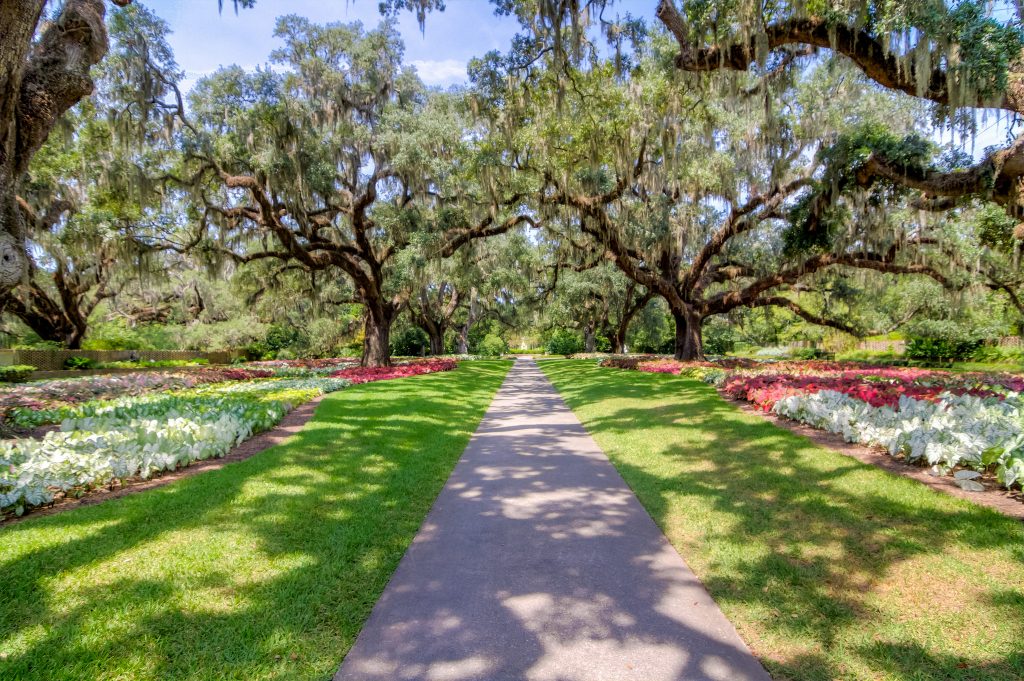
Brookgreen Gardens

When Anna Hyatt Huntington was looking for a place to showcase her sculptures, she and husband Archer Milton Huntington came across the 9,100-acre property that would become Brookgreen Gardens. Located in Georgetown County, South Carolina, the gardens were originally one of four rice plantations that the couple purchased. The Huntingtons first visited the property in 1929, and Brookgreen Gardens opened in 1932 as the country’s first public sculpture garden. The property features themed gardens with figurative sculptures, a small zoo, and a nature exhibition center.


Brookgreen Gardens | © Rain0975 / Flickr

Fly Geyser

Also known as Fly Ranch Geyser, the small geothermal geyser was accidentally created during well drilling in 1964 when the well was either not capped correctly or left unplugged. This caused dissolved minerals to accumulate, creating the travertine mound where the geyser sits and continues to grow. Water is constantly being released from Fly Geyser, sometimes reaching up to five feet (1.5 meters) in the air. In June 2016, the Burning Man Project purchased the Fly Ranch, where the geyser is located, and the property is currently closed to the public.

Fly Geyser in Nevada | © Ken Lund / Flickr

Chiricahua National Monument

Just 36 miles southeast of Wilcox, Arizona, is the Chiricahua National Monument, established in 1924 to protect the Faraway Ranch as well as the hoodoos and balancing rocks remaining from a volcanic eruption 27 million years ago. Thick ash spewed from the Turkey Creek Caldera, cooled, and hardened, laying down nearly 2,000 feet (600 meters) of ash and pumice. This eventually led to erosion, creating the natural features currently seen at the monument.

Chiricahua National Monument

The Lost Sea

Deep inside a mountain in east Tennessee is The Lost Sea, part of the historic Craighead Caverns cave system and listed by the Guinness Book of World Records as America’s largest underground lake. The Lost Sea was first discovered by settlers in the 1820s, again by Confederate soldiers in 1863, and once more in 1905 by a 13-year old boy named Ben Sands: as he wiggled through the cave’s muddy opening, 300 feet (91.4 meters) underground, he found himself in a room half filled with water. He described how he threw mudballs into the blackness that surrounded him, and hear nothing but splashes. The expansiveness of the Lost Sea is still unknown, but the visible part is 800 feet long by 220 feet wide (244 by 67 feet). More than 13 acres of water have been mapped, but no end to the lake has yet been found.

View this post on Instagram

UNDERGROUND LAKE #lostsea #lake #cave

A post shared by Kayla Brown (@kaylakicks) on

Pecos National Historical Park

East of Santa Fe and south of Pecos in New Mexico is the Pecos National Historical Park. It was first a state monument in 1935 and was expanded and renamed a park in 1990. The park’s main unit is the Pecos Pueblo, a Native American community of rock and mud villages built around AD 1100. Thousands of acres of the landscape feature prehistoric archaeological ruins, a battlefield from the American Civil War, and the remains of a Spanish mission built in the early 17th century. There is a 1.25-mile (2-km) self-guided trail that winds through the Pecos Pueblo and the mission.

Pecos National Historic Park | © Marne Lierman / Flickr

Grand Prismatic Spring

The Grand Prismatic Spring in Yellowstone National Park is the largest hot spring in the United States and the third largest in the world. The earliest records of the spring are from European explorers from the 1800s who crossed the Midway Geyser Basin and noted a “boiling lake.” The bright rainbow colors of the spring are the result of microbial mats around the edges of the water, which is rich in minerals. Grand Prismatic Spring discharges about 560 gallons (2120 liters) of water per minute.


Grand Prismatic Spring | © Kyla Duhamel / Flickr

Fort Jefferson

Composed of over 16 million bricks, Fort Jefferson is the largest brick masonry structure in America and is located within the Dry Tortugas National Park, about 70 miles west of Key West, Florida. The unfinished coastal fortress can be reached by ferry, approximately 70 miles (112.65 kilometers) west from Key West, and visitors generally spend several hours here. The fort has a museum and bookstore, and it allows swimming and snorkeling on the reef. The fort was named after President Thomas Jefferson and was constructed in part by civilian carpenters, general laborers, and Key West slaves employed by the United States Army.


Fort Jefferson in Key West. Florida | © Russell Conard / Flickr

Cache River State Natural Area

In the southernmost part of Illinois is the Cache River State Natural Area, situated within a floodplain carved by glacial floodwater from the Ohio River. The wetlands in the area are so vital to migrating waterfowl that the Ramsar Convention designated them a Wetland of International Importance, alongside only 18 other wetlands in the U.S. Many of the cypress trees in the area’s 14,960 acres are over 1,000 years old and exceed 40 feet (12.2 meters) in circumference. Visitors can enjoy several recreational activities, such as hiking, canoeing, biking, and fishing.

Cache River State Natural Area | © Miguel Vieira / Flickr

More than 15 million Mexican free-tailed bats call Bracken Cave, the largest bat colony is the in the world, home during the summer, less than 20 miles from downtown San Antonio. The bats fly nearly 1,000 miles from Mexico to the cave, and between March and October, they emerge in the evening hours to hunt insects and moths that are pushed away from crops by the wind. Access to the cave is restricted, but Bat Conservation International does offer evening tours to watch the bats emerge from the cave.

Bracken Cave bats | © Daniel Spieiss / Flickr

Grand Teton National Park

Grand Teton National Park covers 310,000 acres in Wyoming, including the Teton Range, and is named after the tallest mountain in the range, Grand Teton. More than 1,000 species of plants, 300 species of birds, and a dozen species of fish call the park home. Some of the rocks are nearly 2.7 billion years old, the oldest found in any national park in the United States. The park has more than 1,000 campsites, over 200 miles of hiking trails, and is one of the few places to catch the fine-spotted cutthroat trout.

Grand Teton National Park | © Jeff Gunn / Flickr

Plaza Blanca was made famous by the paintings of Georgia O’Keeffe. The artist visited the area in 1929 and was amazed by the lights and shapes she found in the New Mexico desert. She discovered the outcroppings of dark rock, which she called “Black Place” and inspired her Black Mesa Landscape piece. In 1940, she painted an oil canvas that was inspired by Plaza Blanca, which she called The White Place. She eventually made the nearby Abiquiu her home. The Dar Al Islam Education Center and Mosque, which currently contains Plaza Blanca, is privately owned but does allow visitors access.


Plaza Blanca | © Larry Lamsa / Flickr

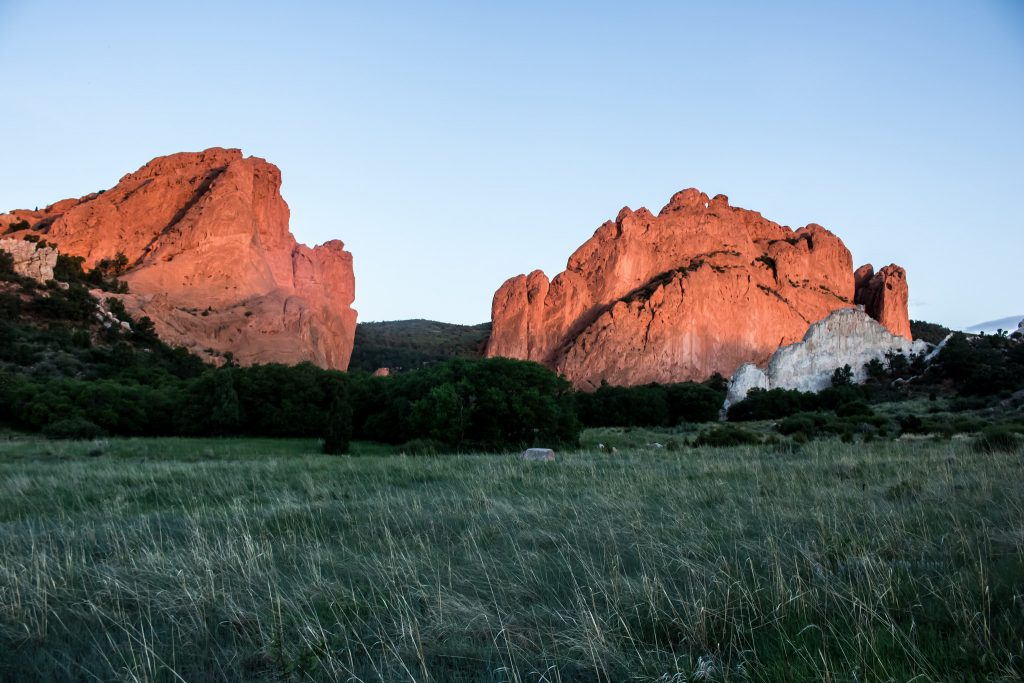
Garden of the Gods

The rock formations at Garden of the Gods—first called Red Rock Corral by the Europeans until August 1859, when two surveyors explored the site and decided it was a “fit place for the gods to assemble,”—were created millions of years ago during a geological upheaval along a fault line. The fountain formation of the rocks is the result of coarse sand, gravel, and silica combining with the hematite, which gives the rocks their red color. Many American Indian Nations have traveled through Garden of the Gods, and petroglyphs found have been linked to the early Utes. The steep rock formations in the park attract rock climbers.

Garden of the Gods | © Mark Byzewski / Flickr

Skagit Valley Tulip Fields

In Mount Vernon, Washington, are the Skagit Valley Tulip Fields, featured in the Skagit Valley Tulip Festival driving tour every April. The tulip fields are in different locations each year, and the crops are grown by RoozenGaarde and Tulip Town. During the festival, visitors can enjoy art shows, concerts, a youth basketball tournament, and a running race. The Downtown Mount Vernon Street Fair and the Kiwanis Salmon Barbecue take place alongside the festival.

Skagit Valley Tulips | © GoToVan / Flickr

Providence Canyon

Sometimes called “Georgia’s Little Grand Canyon,” Providence Canyon in southwest Georgia is one of the Seven Natural Wonders of Georgia because of its massive gullies, caused by erosion due to poor farming practices in the 19th century. The park is situated on marine sediments with small areas of sand and is home to the rare plumleaf azalea flower. An abandoned homestead at the park includes almost a dozen rusty 1950s-era cars and trucks; since removing the vehicles could cause environmental damage, park officials decided to leave them where they are.

Providence Canyon | © c_live_lee / Flickr

Mendenhall Glacier

In southeast Alaska is the 13.6-mile (21.9-km) long Mendenhall Glacier. Since Mendenhall Lake’s creation in 1929, the glacier has retreated 1.75 miles (2.8 kilometers). Unfortunately, it’s possible that the glacier could experience a period of stabilization: increasing amounts of warm, moist air are carried to the head of the ice field, where colder temperatures cause it to precipitate as snow; however, if temperatures continue to rise, the head of the glacier will not longer have enough cold temperatures to cause the snow to precipitate.

Mendenhall Glacier | © Roger Mommaerts / Flickr

Horseshoe Bend

Located near Page, Arizona, is Horseshoe Bend, a horseshoe-shaped meander of the Colorado River, five miles (eight kilometers) downstream from Lake Powell and the Glen Canyon Dam. The rock walls of Horseshoe Bend are made of several minerals including platinum, hematite, and garnet. An overlook at 4,200 feet (1280 meters) above sea level which is accessible by an access road or a 1.5-mile (2.4-km) round trip hiking trail along U.S. Route 89.

Horseshoe Bend | © Graeme Maclean / Flickr

Design a site like this with WordPress.com
Get started