The 6 Best Compression Packing Cubes

Slide 1 of 7: compression packing cubes

Slide 2 of 7: Eagle Creek has been making traveler-loved packing organizers for more than 20 years, and the Specter line is one of the brand's newest innovations. The zippers unzip three-quarters of the way around the cube, which makes it easy for you to load in a lot, and then, a second set of zippers compresses the cube's size by up to 50 percent if you packed it with flexible materials. I'm usually able to fit a full week's worth of warm-weather clothing — mostly dresses — into this medium-sized packing cube, and the smaller one is perfect for stowing for socks and undergarments.
Also, the material they're made of is incredibly lightweight and it's water-repellent, too, so your clothes won't get ruined if your toiletry bag happens to spring a leak. 
To buy: ebags.com, $40Best Lightweight Cubes: Eagle Creek Pack-It Specter Compression Cube (Set of Two)

Slide 5 of 7: Shop it  If you are packing for more than one person, invest in this sleek six-piece set by Lean Travel. Each set comes with two large, two medium, and two small compression packing cubes. I found the small cubes were perfect for lightweight items like undergarments and cotton t-shirts. The medium-sized cubes fit my sweaters and jeans nicely, and the large cubes allowed me to pack jackets and heavy sweatshirts with ease.
Each cube features a mesh panel for added breathability and visibility so you can see the contents of the cube, which comes in handy when you’re unpacking. The cubes are designed with an added zipper that extends the size of the cube. Once you’ve placed the items you want to pack inside, simply re-zip the double zipper and it will compress the cube from four inches down to one inch. The zippers are made with anti-catch technology so you don’t have to worry about snagging or ripping.
To buy: amazon.com, $43

Slide 6 of 7: Shop it  Looking for a way to pack extra items for a camping trip? Check out these compression packing cubes from Gonex. Each set comes with four different-sized compression cubes that look small but actually hold a lot. In the smallest cube, I was able to fit a week’s worth of undergarments as well as four lightweight T-shirts. The medium-size cube housed seven different tops ranging from chunky sweaters to lighter knits, while the large cube held three pairs of jeans and two pairs of sweatpants, and the extra-large size compressed two heavy jackets.
Similar to other cubes on this list, the packing cubes are compressed with a second zipper, which shrinks down the size of the cube when zipped. What’s more, each cube comes with a convenient handle so you can easily carry the cubes from one tent to another or carry your essentials to the campsite’s showers and restrooms. They are also made with a water-resistant material so your clothing will be protected from the elements.
To buy: amazon.com, $26

Slide 7 of 7: Shop it  Travel brand RuMe Bags may be best known for its best-selling Garment Travel Organizer, but we think its compressible cubes should get just as much attention. These useful accessories make saving space super easy. Just fill them up with whatever items you want packed, clamp the clips, and then pull down on the adjustable straps to compress the cubes into a more compact size.
The cubes come in two sizes. I tested the larger size, which fit perfectly inside my carry-on suitcase, and I’ve read that the smaller option (ebags.com, $19) is great for backpacks and overnight bags. The best part? Unlike other packing cubes that are mostly boring solid colors, RuMe’s options come in cute prints you’ll actually want to show off. 
To buy: amazon.com, $19

29 genius cruise hacks you need to know before you set sail

Slide 1 of 30: You don’t need to splash out on a top-notch cabin to make your cruise feel luxurious. We bring you 29 easy ways to upgrade your trip, without breaking the bank.

Slide 2 of 30: Experienced cruisers know that when booking your trip, it pays to scrutinize the deck plan and research sites such as CruiseCritic before you part with your money. Cabins with an obstructed view are cheaper and, if you choose wisely, the blot on your horizon could be as little as a few wires. Likewise, you’ll sometimes find two balcony cabins that cost the same, but have differing sized terraces. Be savvy, and you might score a better stateroom for your spend. But if you do fancy a sneaky-peek around blow-the-budget cabins, take a look at our feature on cruising for millionaires. 

Slide 3 of 30: Let's face it, when a cruise company announces it's launching a new ship, you're desperate to be on board. But it'll bump up your price no end. Opt for an older vessel instead – it's a much cheaper way to sail. They often follow the same itinerary as their newer siblings and, OK, they don't have that same wow-factor, but they're still safe and you'll find they're less crowded too. Perfect.

Slide 4 of 30: Most operators have stringent rules to stop you tucking into your own booze during a cruise, but you’re often permitted to embark with one or two bottles of alcohol. Make it a bottle of bubbly and ask your steward to deliver champagne glasses to your cabin, so you can kick off your holiday in style.

Slide 5 of 30: Meals in the buffet restaurant and main dining room are usually included in the cost of your cruise. The relative formality of the main dining room isn’t to everyone’s taste, but it gives you the chance to dress up and enjoy waiter service, which feels more luxurious than a buffet. Better still, you can be extravagant and order as many starters, mains and desserts as you like. Struggling to decide between rotisserie chicken and lobster bisque, or baked Alaska and pavlova? Just have both!
When it comes to bagging a poolside lounger, it can sometimes be a case of needing to sharpen your elbows. Take the stress out of sunbathing by booking yourself into one of the ship’s exclusive lounges or clubs. On Princess Cruises you can pay from $18 (£14) to spend a morning or afternoon in the exclusive Sanctuary, an adults-only area with super comfy loungers, chaise lounges, a pool and spa treatments. Stewards are on hand to bring you healthy snacks, smoothies and even cooling face towels.
© MarkKatzman/PrincessCruises
 To save cash, book a less expensive cabin on one of the ship’s bottom decks. Granted, you won’t be enjoying panoramic sea views, but you can still enjoy vistas aplenty from the upper deck areas. This shrewd move can save you several hundred dollars – then you can spend a fraction of the savings indulging in sunset cocktails in a fabulous upper deck restaurant.
© Maridav/Shutterstock
Even if you've opted for a lower-cost cabin, it doesn’t mean you can’t make it feel more luxurious. Invest in a beautifully scented room spray and decorate it with a bunch of freshly cut flowers. Many lines let you bring your own bouquets on board, and your steward will be happy to find a vase. If that's not an option, there’s often a florist on the ship.
© Stockfour/Shutterstock
If your cruise starts from your home country, get things off to a decadent start by booking a local taxi firm to pick you up and drive you to the port. Not only will you arrive in style, feeling relaxed, you’ll also save yourself the headache of what to do with your car when you’re away. They can then meet you on your return, delivering you home on a high.
© Rawpixel.com/Shutterstock
It's said there's no such thing as a free lunch, but some cruise ship events do greet guests with a complimentary drink or two. Welcome-aboard cocktail hours, art auctions and boutique showcases often serve free drinks and, who knows, you might get chatting to someone interesting when you’re there.
© Pkchai/Shutterstock
During your trip, treat yourself to a gourmet meal at one of the speciality restaurants. It’s worth knowing that cruise lines often throw in a healthy discount (sometimes as much as 25%) or a free bottle of wine to entice diners on the first night.
© Celebrity Cruises
For a self-indulgent start to the day, arrange to have breakfast in bed. Many cruise lines, including Cunard and Carnival, offer room service at no extra cost, so you can tuck into anything from pastries, to fruit, cereals or toast and marmalade without having to set foot outside your cabin. Take it up a level by paying extra for a glass of champagne.
© monticello/Shutterstock
If you’re taking your family on a cruise, be canny with your sleeping arrangements. Treat yourself to a better appointed balcony cabin, but save cash by booking the youngsters into an inside cabin just across the corridor.
© PitK/Shutterstock
 During your break, don’t be afraid to politely ask your cabin steward for those little extras that make your holiday feel more lavish, whether that’s an additional pair of slippers, fresh toiletries, a bathrobe or ice. It’s a controversial topic, but many seasoned cruisers swear by tipping their steward at the start of their trip, in a bid to ensure ultra attentive service. Just be aware of what you can and can't take away with you. 
© AfricaStudio/Shutterstock
Are you at sea for a happy reason? Tell the staff on board. Whether you're celebrating your birthday, anniversary or honeymoon, you might, just might, get some free fizz and fruit in your cabin. There's no guarantee but it's worth a shot, right? Try it.
© Daniel Novoa/Shutterstock
Treat yourself to a cleansing facial, deep tissue massage or pedicure while on board. Keep an eye out for special offers because, like speciality restaurants, spas sometimes offer discounts on embarkation day. Royal Caribbean, which features Elemis treatments, suggest keeping an eye out for “value prices” at specific times. It’s also worth heading to any spa showcase sessions, on the off chance you'll get a complimentary taster treatment.
© Puhhha/Shutterstock
Escape the crowds and enjoy a tranquil few hours in one of your ship’s little-known areas. These “secret decks”, usually at the bow, are open to anybody, but are barely used because they are unsigned and often tucked away behind a closed door. They can be windy, so are often better visited while the ship is docked, but they make great, secluded spots to practice yoga or even stargaze. Study the deck plan carefully to work out where they are.
© KitjaKitja/Shutterstock
If you’re a wine lover, you’ll usually get far more for your money if you splash out on a bottle, rather than buying by the glass. You’ll also have the luxury of a greater variety of grapes to choose from. Spoil yourself with an excellent red or white, but make it last over a couple of evenings by asking your waiter to pop a cork in and keep it back for you overnight.
© Krilergsaragorn/Shutterstock
If nothing on the main menu appeals, or you have a deep-seated longing to enjoy the previous night’s baked salmon or beef tenderloin again, don’t be afraid to ask your waiter what he can do. Cruise lines know guests take their food seriously and will usually do what they can to accommodate cravings (within reason).
© Tomolina/Shutterstock
Fed up of your shower curtain clinging to you in your less-than-spacious en-suite? Consider washing in the spa or gym facilities instead. Access is usually free of charge, and the chances are you’ll find toiletries, fluffy towels, big mirrors and roomier cubicles.
© AnnaOm/Shutterstock
Are the pillows on your bed too firm, or too squishy soft? If you ask your steward nicely, he'll usually do what he can to provide an alternative. On some cruise lines, guests traveling in concierge can even take advantage of a full pillow menu, including memory foam, hypoallergenic and down options.
© OlegDoroshin/Shutterstock
Midnight feasts are usually the stuff of childhood sleepovers, but many cruise lines offer passengers the opportunity to embrace their inner child and indulge in a late night treat. On P&O’s Azura, for example, the snack buffet offers paninis, homemade cakes and pastries between 10pm and 6am. Many lines, including Royal Caribbean and Carnival, offer pizza too.
© OksanaMizina/Shutterstock
If you enjoy a few drinks, but you’re put off by the prices on board, then make the most of shore days. Local bars and restaurants, especially those a distance from port, will likely charge less for a bottle of wine, beer or cocktail. Just don’t get so carried away with the party spirit that you forget you have a ship to catch!
© CatarinaBelova/Shutterstock
When the ship docks in port, the majority of passengers swarm off, excited about exploring pastures new. That gives you the perfect opportunity to have the run of the ship. Bag the best sun loungers, enjoy a cocktail in a coveted spot or do some quiet lengths in the pool. Check the itinerary before you sail, so you can work out which port you’re least bothered about missing out on.
© Gnohz/Shutterstock
When it comes to visiting attractions on port days, there’s no hard and fast rule to say you should stick with the excursions offered on board. The costs can be exorbitant and piling onto a packed tour bus isn’t everyone’s idea of fun. It often pays to book guided tours from a company based in the port, or try Cruising Excursions, which offers a range of trips for up to 60% cheaper from over 38 ports. You can book private tours and bespoke itineraries too.
© Anyaivanova/Shutterstock
Dainty cups of Earl Grey, doughy finger sandwiches and freshly baked scones smothered with clotted cream – there’s nothing quite as delightfully extravagant as a traditional afternoon tea. Many cruise lines, including P&O, Holland America, Cunard and Crystal, offer scrumptious complimentary high tea, often on a daily basis.
© LillyTrott/Shutterstock
If you’re prone to feeling seasick, book a cabin in the middle of the ship, on a lower deck, where you’ll feel less movement. The front of the ship is often said to be the worst area for motion sickness as the cabin is the first to pitch forward in choppy seas. If you do start to feel queasy, guest services or the medical center will supply tablets.
© RomoloTavani/Shutterstock
A great breakfast sets you up for the day, and there are often tasty options that feel much more luxuriant than lugging a tray around the buffet. Carnival’s SeaDay brunch includes waiter service and dishes such as huevos rancheros and French toast. On Cunard’s Queen Mary 2, the Britannia restaurant offers grilled Scottish kippers with sautéed potatoes, eggs cooked-to-order and fresh buttermilk pancakes, all included in your fare.
© MikhailValeev/Shutterstock
If you’re happy to do little more than shower, change and sleep in your room, then book an inside cabin. They cost a fraction of what you’d spend on a balcony stateroom, leaving you free to spend cash on spa treatments, cocktails and speciality meals. You might not have fresh air and a sea view, but you can seriously spoil yourself in other ways!Discover the secrets of the world's most groundbreaking cruise ships here. 
© NorwegianCruiseLine
Cruise veterans often suggest maximizing bathroom space by hanging a shoe organizer on the door, and filling it with all your beauty paraphernalia. Go one step further and stock it before you travel with a few high-end products that you wouldn’t normally splurge on. Now read 35 cruise myths you should stop believing right now
© Syda Productions/Shutterstock


Isla Bella Beach Resort Opens in the Florida Keys

a building next to a body of water: Isla Bella Beach Resort, Florida Keys

The Florida Keys’ highly anticipated Isla Bella Beach Resort officially opened to guests Monday.

The five-star oceanfront resort is the first full-service luxury hotel in Marathon and the largest newly built private waterfront hotel in the Keys. Located at the entryway of the iconic Seven Mile Bridge, Isla Bella Beach Resort is two hours from Miami and just an hour from Key West.

Highlights include 199 rooms and suites ranging from one to five bedrooms, one mile of private beach, five swimming pools, four dining outlets and more than 24,000 square feet of meeting and event space.

Isla Bella Beach Resort also features convenient on-site water sports, a fishing pier and a marina. A full-service spa, fitness center and a marketplace retail and cafe concept will be added in May.

The 4,000-square-foot spa will feature a relaxation room along with five dedicated treatment rooms, a lounge, couples massage room, steam room and a spa garden. The Spiaggia Suite will offer guests hair treatments, makeup application and other services while the 1,000-square-foot fitness center will boast state-of-the-art Peloton treadmills and bicycles in addition to free weights and other equipment.

The Beach Bar will offer a menu of fresh seafood and other dishes designed to pair perfectly with cocktails as well as daily live music. Part oceanview restaurant and part poolside grill, The Burger Palace overlooks the beach and will serve comfort foods like burgers, hotdogs and fries along with crisp salads and snacks.

Il Postino is an Italian restaurant specializing in hand-made Neapolitan pizza from a traditional wood-fired oven, fresh pasta and more while The Marketplace–opening in May–will be the hub of Isla Bella Beach Resort’s social activity.

Activities and experiences available to guests will include complimentary kayaking, paddleboarding, snorkeling and fishing as well as games such as badminton, bocce, croquet, giant chess, cornhole and volleyball, among others.

85 Unique Bucket List Ideas to add to Your New Orleans Itinerary

Slide 1 of 9: The Tuileries Garden is located in one of the best neighbourhoods of Paris, the first arrondissement. It can be found between the Louvre and the Place de la Concorde. This park is truly fit for royalty as it dates back to 1564 when it was created to be the garden of the Tuileries Palace and then it became a public park after the French Revolution. The garden is complete with  fountains, ponds and stunning flowers.

Slide 2 of 9: In this natural space it is impossible to forget the city for too long, as the Eiffel Tower stands proudly in direct eyeline of visitors. Despite attracting thousands of visitors, the gardens here still remain very clean. At the Champ de Mars you can appreciate both great views and great architecture. During the 18th century, this park used to be a training ground for those studying in the Ecole Militaire.
Slide 3 of 9: This park may be not as busy as other parks in the city but it is just as beautiful. On a super sunny day the woods here can provide some much needed shade. Visitors of this park have described the flora as breathtaking thanks to its signature rose garden. The park is very well-maintained so make sure you have your cameras ready to capture the memory of this scenic landscape. Adding to its peaceful nature are the parks many birds which flock here during spring.
Slide 4 of 9: This 17th century park can be found in the 6th arrondissement on the boarder between Saint-Germain-des Pres and the Latin Quater. The inspiration for this garden was taken from the Boboli Gardens in Florence. It covers a total of 25 hectares of land and is split into both French and English gardens. What seperates the gardens is a large pond and geometric forest. There is also an impressive total of 106 statues in this garden.
Slide 5 of 9: This park is a little out the way as it is in a northeastern suburb, the 19th arrondissement. It is the fifth largest park in Paris and has numerous features which render it unique. These include a suspended bridge, caves and even a waterfall! This park also offers a vairety of high points, so you can appreciate panoramic views of Paris from all angles. A hint of exotic is added to the park's charm thanks to its indigenous trees and numerous birds.
Slide 6 of 9: Thousands of men took part in creating the gardens at the Palais de Versailles and their efforts are certainly reflected in its extravagant appearance. After all, it did take 40 years for the gardens to be fully complete. As one of the largest gardens ever created, it is home to 372 statues and 55 fountains. From the start of April to the end of October there are even Musical Fountain shows adding entertainment to the grandeur. One of the gardens most striking features is its maze so be prepared to get your cameras ready!
Slide 7 of 9: Both a botantical garden and a public park, this is a huge natural space in the city located within the Bois de Vincennes in the 12th arrondissement of Paris. It would take half a day for a visitor to fully explore and appreciate this beautiful place. The park provides a great vairety of flowers, butterfly house and even mini golf for entertainment. Compared to the other natural spaces in the city, this is quite an alternative and modern spot as it has only be open since 1969. Given this, it should be no suprise that it also plays host to free music festivals such as the Paris Jazz Festival.
Slide 8 of 9: In the 8th arrondissement of Paris is the Parc Monceau, a highly popular outdoor space amongst culture lovers. Many talented painters gather here to capture its beauty through art such as Claude Monet or Gustave Caillebotte. This park has also been used as the backdrop for the movie Paris Je t'aime and Tell No One. For film directors and artists to choose this spot out of all the gardens in Paris suggests that it is truly unmissable during springtime.
Slide 9 of 9: This park can be found in a quiet corner of southern Paris but it is very much an English style outdoor space. Here you can find wooden pathways, rolling hills and statues. It has just over 1000 trees with some of them being an impressive century old. This park is also child friendly providing entertainment in the form of playgrounds, pony rides and even a traditional puppet theatre. The Parc Montsouris is most ideal for enjoying a picnic or taking part in some sport.

Italy Wants to Overturn Budget Airlines’ Baggage Policies

a group of people standing around a plane: Comiso, Sicily, Italy: Passengers Boarding Ryanair on Tarmac

Budget airlines Ryanair and Wizz Air are currently engaged in a legal battle in Italy to determine whether or not it is “misleading” to charge passengers for their carry-on luggage.

Italian competition watchdog Antitrust opened an inquiry into the two carriers in September to determine whether or not the ultra-low prices that the airlines advertised could be considered a price distortion, as hand luggage is “an essential element of transport.”

Both Ryanair and Wizz Air independently changed their baggage policies last year. Passengers were basically limited to only a small handbag that could fit underneath the seat in front of them.

Antitrust said in a statement that having to pay more for hand luggage “provides a false representation of the real ticket price and spoils the comparison with the rates of other companies, misleading the consumer.”

In a statement, a Ryanair spokesperson responded, “We look forward to cooperating with this Italian inquiry. All Ryanair customers are free to bring one piece of carry-on bag on board. But no airline customer has a right to unlimited carry-on bags.”

In February, the Italian courts decided that the baggage fees constituted unfair pricing and fined the airlines a combined total of about $4.48 million (€4 million). The airlines are now fighting the decision and last week, Italian courts agreed to suspend the fine, pending a new inquiry. Both airlines will continue with their current baggage policy until a new decision is reached (or the previous decision is upheld).

Regardless of what happens with the decision, policymakers are investigating ever-shrinking airline baggage allowances. Only time will tell whether or not these types of inquiries will reach U.S. airlines and their “basic economy” fares.

Passengers who are flying a budget airline should search for baggage policies before buying their ticket to ensure that they are actually getting the best deal. A mainstream airline with a higher ticket price could actually end up being cheaper than a budget service after passengers consider fees paid for baggage and meal service.

16 Epic Places in the United States Even Americans Don’t Know About

<a href="https://www.flickr.com/photos/evergreenkamal/4849551558/" target="_blank" rel="noopener noreferrer">Teton Mountains | © Kamal Hamid / Flickr</a>

You hear a lot about well-known tourist attractions in the United States, but what about the places that aren’t as well-known even to Americans? Whether you’re a visitor or a resident, these places top our list of the most epic discoveries, both natural and man-made, in the United States.

Brookgreen Gardens

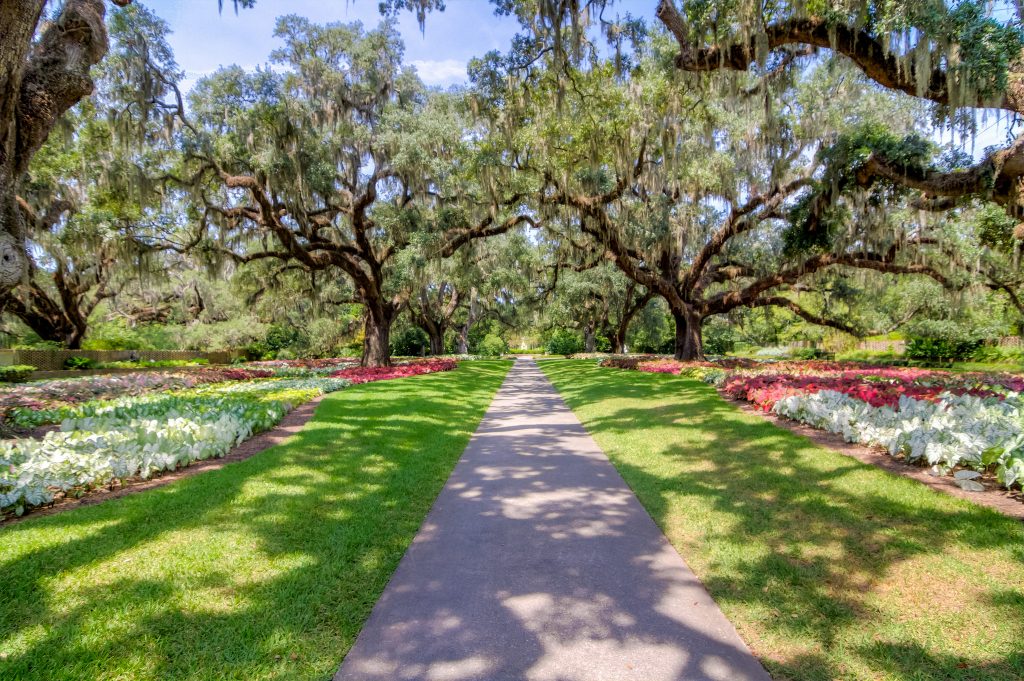
When Anna Hyatt Huntington was looking for a place to showcase her sculptures, she and husband Archer Milton Huntington came across the 9,100-acre property that would become Brookgreen Gardens. Located in Georgetown County, South Carolina, the gardens were originally one of four rice plantations that the couple purchased. The Huntingtons first visited the property in 1929, and Brookgreen Gardens opened in 1932 as the country’s first public sculpture garden. The property features themed gardens with figurative sculptures, a small zoo, and a nature exhibition center.


Brookgreen Gardens | © Rain0975 / Flickr

Fly Geyser

Also known as Fly Ranch Geyser, the small geothermal geyser was accidentally created during well drilling in 1964 when the well was either not capped correctly or left unplugged. This caused dissolved minerals to accumulate, creating the travertine mound where the geyser sits and continues to grow. Water is constantly being released from Fly Geyser, sometimes reaching up to five feet (1.5 meters) in the air. In June 2016, the Burning Man Project purchased the Fly Ranch, where the geyser is located, and the property is currently closed to the public.

Fly Geyser in Nevada | © Ken Lund / Flickr

Chiricahua National Monument

Just 36 miles southeast of Wilcox, Arizona, is the Chiricahua National Monument, established in 1924 to protect the Faraway Ranch as well as the hoodoos and balancing rocks remaining from a volcanic eruption 27 million years ago. Thick ash spewed from the Turkey Creek Caldera, cooled, and hardened, laying down nearly 2,000 feet (600 meters) of ash and pumice. This eventually led to erosion, creating the natural features currently seen at the monument.

Chiricahua National Monument

The Lost Sea

Deep inside a mountain in east Tennessee is The Lost Sea, part of the historic Craighead Caverns cave system and listed by the Guinness Book of World Records as America’s largest underground lake. The Lost Sea was first discovered by settlers in the 1820s, again by Confederate soldiers in 1863, and once more in 1905 by a 13-year old boy named Ben Sands: as he wiggled through the cave’s muddy opening, 300 feet (91.4 meters) underground, he found himself in a room half filled with water. He described how he threw mudballs into the blackness that surrounded him, and hear nothing but splashes. The expansiveness of the Lost Sea is still unknown, but the visible part is 800 feet long by 220 feet wide (244 by 67 feet). More than 13 acres of water have been mapped, but no end to the lake has yet been found.

View this post on Instagram

UNDERGROUND LAKE #lostsea #lake #cave

A post shared by Kayla Brown (@kaylakicks) on

Pecos National Historical Park

East of Santa Fe and south of Pecos in New Mexico is the Pecos National Historical Park. It was first a state monument in 1935 and was expanded and renamed a park in 1990. The park’s main unit is the Pecos Pueblo, a Native American community of rock and mud villages built around AD 1100. Thousands of acres of the landscape feature prehistoric archaeological ruins, a battlefield from the American Civil War, and the remains of a Spanish mission built in the early 17th century. There is a 1.25-mile (2-km) self-guided trail that winds through the Pecos Pueblo and the mission.

Pecos National Historic Park | © Marne Lierman / Flickr

Grand Prismatic Spring

The Grand Prismatic Spring in Yellowstone National Park is the largest hot spring in the United States and the third largest in the world. The earliest records of the spring are from European explorers from the 1800s who crossed the Midway Geyser Basin and noted a “boiling lake.” The bright rainbow colors of the spring are the result of microbial mats around the edges of the water, which is rich in minerals. Grand Prismatic Spring discharges about 560 gallons (2120 liters) of water per minute.


Grand Prismatic Spring | © Kyla Duhamel / Flickr

Fort Jefferson

Composed of over 16 million bricks, Fort Jefferson is the largest brick masonry structure in America and is located within the Dry Tortugas National Park, about 70 miles west of Key West, Florida. The unfinished coastal fortress can be reached by ferry, approximately 70 miles (112.65 kilometers) west from Key West, and visitors generally spend several hours here. The fort has a museum and bookstore, and it allows swimming and snorkeling on the reef. The fort was named after President Thomas Jefferson and was constructed in part by civilian carpenters, general laborers, and Key West slaves employed by the United States Army.


Fort Jefferson in Key West. Florida | © Russell Conard / Flickr

Cache River State Natural Area

In the southernmost part of Illinois is the Cache River State Natural Area, situated within a floodplain carved by glacial floodwater from the Ohio River. The wetlands in the area are so vital to migrating waterfowl that the Ramsar Convention designated them a Wetland of International Importance, alongside only 18 other wetlands in the U.S. Many of the cypress trees in the area’s 14,960 acres are over 1,000 years old and exceed 40 feet (12.2 meters) in circumference. Visitors can enjoy several recreational activities, such as hiking, canoeing, biking, and fishing.

Cache River State Natural Area | © Miguel Vieira / Flickr

More than 15 million Mexican free-tailed bats call Bracken Cave, the largest bat colony is the in the world, home during the summer, less than 20 miles from downtown San Antonio. The bats fly nearly 1,000 miles from Mexico to the cave, and between March and October, they emerge in the evening hours to hunt insects and moths that are pushed away from crops by the wind. Access to the cave is restricted, but Bat Conservation International does offer evening tours to watch the bats emerge from the cave.

Bracken Cave bats | © Daniel Spieiss / Flickr

Grand Teton National Park

Grand Teton National Park covers 310,000 acres in Wyoming, including the Teton Range, and is named after the tallest mountain in the range, Grand Teton. More than 1,000 species of plants, 300 species of birds, and a dozen species of fish call the park home. Some of the rocks are nearly 2.7 billion years old, the oldest found in any national park in the United States. The park has more than 1,000 campsites, over 200 miles of hiking trails, and is one of the few places to catch the fine-spotted cutthroat trout.

Grand Teton National Park | © Jeff Gunn / Flickr

Plaza Blanca was made famous by the paintings of Georgia O’Keeffe. The artist visited the area in 1929 and was amazed by the lights and shapes she found in the New Mexico desert. She discovered the outcroppings of dark rock, which she called “Black Place” and inspired her Black Mesa Landscape piece. In 1940, she painted an oil canvas that was inspired by Plaza Blanca, which she called The White Place. She eventually made the nearby Abiquiu her home. The Dar Al Islam Education Center and Mosque, which currently contains Plaza Blanca, is privately owned but does allow visitors access.


Plaza Blanca | © Larry Lamsa / Flickr

Garden of the Gods

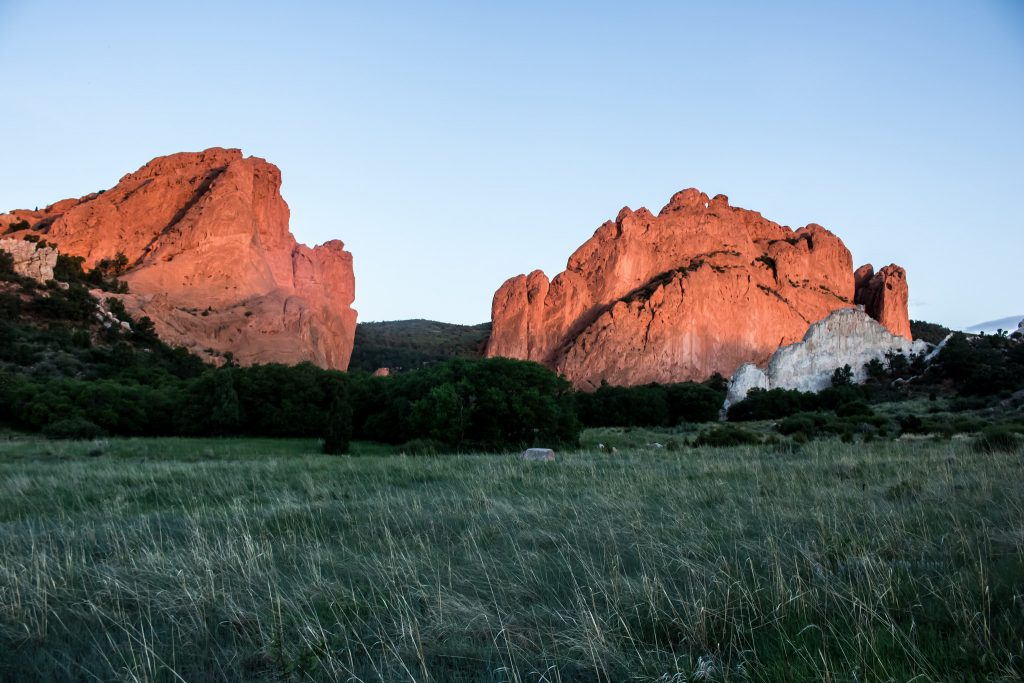
The rock formations at Garden of the Gods—first called Red Rock Corral by the Europeans until August 1859, when two surveyors explored the site and decided it was a “fit place for the gods to assemble,”—were created millions of years ago during a geological upheaval along a fault line. The fountain formation of the rocks is the result of coarse sand, gravel, and silica combining with the hematite, which gives the rocks their red color. Many American Indian Nations have traveled through Garden of the Gods, and petroglyphs found have been linked to the early Utes. The steep rock formations in the park attract rock climbers.

Garden of the Gods | © Mark Byzewski / Flickr

Skagit Valley Tulip Fields

In Mount Vernon, Washington, are the Skagit Valley Tulip Fields, featured in the Skagit Valley Tulip Festival driving tour every April. The tulip fields are in different locations each year, and the crops are grown by RoozenGaarde and Tulip Town. During the festival, visitors can enjoy art shows, concerts, a youth basketball tournament, and a running race. The Downtown Mount Vernon Street Fair and the Kiwanis Salmon Barbecue take place alongside the festival.

Skagit Valley Tulips | © GoToVan / Flickr

Providence Canyon

Sometimes called “Georgia’s Little Grand Canyon,” Providence Canyon in southwest Georgia is one of the Seven Natural Wonders of Georgia because of its massive gullies, caused by erosion due to poor farming practices in the 19th century. The park is situated on marine sediments with small areas of sand and is home to the rare plumleaf azalea flower. An abandoned homestead at the park includes almost a dozen rusty 1950s-era cars and trucks; since removing the vehicles could cause environmental damage, park officials decided to leave them where they are.

Providence Canyon | © c_live_lee / Flickr

Mendenhall Glacier

In southeast Alaska is the 13.6-mile (21.9-km) long Mendenhall Glacier. Since Mendenhall Lake’s creation in 1929, the glacier has retreated 1.75 miles (2.8 kilometers). Unfortunately, it’s possible that the glacier could experience a period of stabilization: increasing amounts of warm, moist air are carried to the head of the ice field, where colder temperatures cause it to precipitate as snow; however, if temperatures continue to rise, the head of the glacier will not longer have enough cold temperatures to cause the snow to precipitate.

Mendenhall Glacier | © Roger Mommaerts / Flickr

Horseshoe Bend

Located near Page, Arizona, is Horseshoe Bend, a horseshoe-shaped meander of the Colorado River, five miles (eight kilometers) downstream from Lake Powell and the Glen Canyon Dam. The rock walls of Horseshoe Bend are made of several minerals including platinum, hematite, and garnet. An overlook at 4,200 feet (1280 meters) above sea level which is accessible by an access road or a 1.5-mile (2.4-km) round trip hiking trail along U.S. Route 89.

Horseshoe Bend | © Graeme Maclean / Flickr

Discover Unexplored Dallas By Visiting These Attractions

uncaptioned image

Dallas is often associated with football, rodeos and oversized barbecue. A sports lover’s mecca, the city is home to five professional sports teams: The Dallas Cowboys (NFL); Dallas Stars (NHL); Dallas Mavericks (NBA); Dallas Wings (WNBA); FC Dallas (MLS) and the Texas Rangers (MLB) plus NASCAR and Indy racing. The area also boasts over 200 golf courses.

Although Dallas attracts almost 25 million visitors each year, visitors to this friendly city can also discover a wide array of off-the-beaten-path attractions that are generally less expensive and not as crowded as the more famous tourist sites. Thus, they can provide a very enjoyable experience for visitors.

uncaptioned image

Katy Trail is ideal for joggers, bikers, skaters and walkers.

VISITDALLAS

You can explore the many city trails that literally take you off-the-beaten-path by walking the Katy Trail, which is linking the people of Dallas in an exciting new way. Once an abandoned railroad line, the trail has become one of the most iconic destinations in the city. Joggers, bikers, skaters and walkers take advantage of the trail runs through the densest part of the city from the West End and the American Airlines Center in the south, through the heart of urban Dallas past Knox Street, up to SMU and Mockingbird DART Station in the north. The trail also hosts a number of events each year

uncaptioned image

Pecan Lodge is a popular eating spot.

The Deep Ellum District is a hotspot for those looking for music, eclectic dining or to capture the perfect picture at one of the many murals that are scattered throughout the neighborhood. Established in 1873 in an area east of downtown Dallas as a residential and commercial neighborhood, the area was one of Dallas’ first commercial districts for African-Americans and European immigrants. As such, Deep Ellum is one of the most historically significant neighborhoods in the city.

Known as Dallas’ “most independent neighborhood,” the Bishop Arts District affords visitors the opportunity to explore boutiques, grab a drink and catch a classic/indie flick at The Texas Theatre. The Bishop Arts District is home to over 60 boutiques, restaurants, bars, coffee shops, theaters and art galleries. Located in the heart of North Oak Cliff and only five minutes from downtown, the district lays claim to one of Dallas’ most unique neighborhoods with historical shopping full of great finds, good eats and good ol’ Oak Cliff charm. The area is populated with many independently-owned businesses, and many of the shops stay open late on the weekends to provide a fun shop, stroll, and eat environment for visitors.

uncaptioned image

Are you ready for a rousing round of games on Fighters Row? Then head over to the Cidercade, where 170 arcades await. Featuring a mix of both new and retro, the emphasis here is on games that are competitive and that are specially designed for two or more players. Although food is not available on the premises, a variety of food trucks make their presence known throughout the week. As its name implies, Cidercade features 30 in-house made ciders along with wines on tap.

uncaptioned image

The Samurai Collection is a truly unique attraction.

SAMURAI COLLECTION

Perhaps one of the most unexpected yet truly unique tourist attractions found in Dallas is the Samurai Collection which houses one of the largest displays of samurai armor and artifacts in the world. Comprised of almost 1,000 objects, the collections include armor, helmets, masks, horse armor and weaponry, and features several masterpieces that are sure to “wow” visitors. In 2011, 140 pieces from the collection were compiled for an exhibition to tour Europe, Canada and the U.S.

uncaptioned image

Sample some sushi poke on your food tour.

VISITDALLAS

The food throughout the greater Dallas area is as appetizing as you’ll find anywhere else in the country. The Taste Your Way through Dallas Tours are a great way to satisfy your taste buds by experiencing the sheer variety of food options. Start your Dallas visit by joining Food Tours of America as they take you around Uptown Dallas discovering local restaurants, from casual to upscale. Or join Dallas by Chocolate and Dallas Bites! Food Tours on a very sweet tour of Dallas. Join the locals at a brewery tour. Dallas is home to several microbreweries. Some of the most popular options include Community in the Design District (try the Mosaic IPA), Four Corners in Trinity Groves (try El Chingon) and Deep Ellum Brewery. Don’t miss a visit to Trinity Groves, a restaurant incubator concept that features up-and-coming chefs and restaurateurs in Dallas. With more than 14 restaurants it’s hard to choose where to go.

Traveling off-the-beaten-path is a great way to explore any city because a treasure trove of surprises may await you. This is especially true for the unique attractions throughout Dallas.

Small Luxury Hotels of the World Introduces New Properties

a living room filled with furniture and vase of flowers on a table: The Celino South Beach

This spring, Small Luxury Hotels of the World (SLH) is introducing new properties around the globe for travelers to enjoy with features that include dazzling swimming pools and panoramic views.

The Celino South Beach

The Celino South Beach in Miami, which opens in June of this year, is located on Ocean Drive and is an Art Deco gem. The property encompasses three separate buildings, including the landmark Park Central Hotel, to create one singular property. Its rooftop pool, which features a peek-a-boo glass bottom, is one of its most striking features.

Villa Eyrie

Also close to home, Villa Eyrie on Vancouver Island, British Columbia, is also part of the SLH collection of hotels.

The hotel is surrounded by old-growth forests 1,800 feet above the sea and is just 30 minutes from Victoria. Accommodations merge Italian architecture with soothing contemporary interiors and are reminiscent of Italy’s Lake Como region.

The Outpost at Sentosa

On Sentosa Island, Singapore, the Outpost at Sentosa, opens this month. The adults-only resort is located on a hilltop overlooking the beautiful Singapore Strait and inspired by the heritage of the region.

The hotel’s 193 guestrooms are stylish and modeled, featuring crisp lines and a black and white design with hints of gold. Rooms bring the outside in with floor-to-ceiling windows and guests will enjoy amenities such as pillow mist kits, bespoke tea blends and heritage cookies.

Hotel Amparo

San Miguel de Allende, Mexico, continues to lure in travelers and the new Hotel Amparo, which opened in January, is one of its newest attractions. The property is situated in the heart of this historic colonial city and is an intimate retreat with just five suites.

The building was once the mayor’s private residence and dates back more than 300 years. The property showcases Spanish colonial-style architecture with mid-century furnishings sourced from around the world; including France, India and Denmark.

Finca Serena

Travelers can also take advantage of a new property in Mallorca, Spain. The Finca Serena opens this month and is located on 40 countryside hectares in the Pla de Mallorca, just 20 minutes from Palma.

Rooms and suites are scattered around the property with some in original farm outbuildings and some equipped with private terraces and verandas. The hotel also offers a standalone luxury villa for those traveling with an entourage.

Rhône Road Trip: Tasting With Jean-Louis Chave

uncaptioned image

From Oslo to London to Lyon back to London…it was a tough couple days of travel. However, it was made easier by my first-ever trip to the Rhône Valley. I had only one destination, the Domaine of Jean-Louis Chave, and it would end up being a memory of a lifetime.

When we landed that morning, it seemed we brought the frigid weather of Oslo with us to France—about as cold as it ever gets there, per Jean-Louis. We were welcomed inside and Jean-Louis made a plan. His father Gerard was still around and about (and quick as a whip, I might add). We bid him adieu and hopped in Jean-Louis’ truck for a tour of the famous hill of Hermitage.

We sat at the foot of the hill and looked up, where the giant signs of Jaboulet and Chapoutier stand out. Each producer now makes millions of bottles a year—not of Hermitage, of course, but their significance and contribution to the appellation and the entire region cannot be ignored. I asked Jean-Louis why he didn’t have a Chave sign on the hill, but that is not his style: he just lives on it. After that, I just listened.

The terroir of Hermitage—much like the terroir of Burgundy—makes it unique.  Chave gets fruit from seven different vineyards, and within those vineyards, he gets both white and red grapes, depending on the soil. The diversity and differences of soils on the hill of Hermitage are one of the great characteristics of the vineyard. The south-facing slopes—some very steep—are another: without them, there’s no Hermitage. The S-shape that the Rhône river takes here created this unique hillside vineyard.

uncaptioned image

Hill of Hermitage is a sight to behold.

We started driving in the vineyards. We came awfully close to some steep declines with an awful amount of big bumps in the road next to them. “Don’t worry,” I told myself, “Jean-Louis drives these paths every day, you aren’t going to fall and roll over and wipe out 5% of the production of Hermitage in the process … don’t worry.”

The key to the hill is the complex range of different soils, from granite and clay to pebbles and dusty earth. Sometimes you could see the earth change colors in the middle of a vineyard, like L’Ermite, and that could mark where red grapes stopped and whites started. All these soils with their different personalities lend themselves to unique expressions in the grapes. Chapoutier and others have promoted the concept of single vineyards like Le Meal and L’Ermite; however, for Chave, the true nature of Hermitage results from a carefully constructed blend from all parts of the hill. This was evident when we tasted the 2016, where each vineyard was aging separately in the barrel.

For the whites, we first tasted from the Les Rocules vineyard, where the oldest vines for the whites reside. Jean-Louis told us that the vines were so old, he couldn’t even tell which ones were Marsanne and which were Roussanne, but he estimated that his blanc is about 80% Marsanne. Les Rocules was delicious, deserving of a bottling on its own—so decadent, so rich, so plump and succulent with its sweet fruit, with lots of old-vine character. When we tasted L’Ermite, the vineyard in back of his home way up high on the hill, the contrast was amazing. This was a dry and spiny white, with lots of backside and a meaner personality compared to the seductive, “life of the party” that was Les Rocules. The yin and the yang were immediately obvious. The vineyards show a bit of each other’s character, in a fill-in-the-blanks kind of way.

After the barrel tasting, Jean-Louis popped a few bottles of white, beginning with the 2015 Chave Hermitage Blanc, which had been bottled about four months ago. What a delicious wine! 2015 was a hotter vintage, and the sweetness of the fruit came through immediately: loads of yellow fruits and sunshine, with exotic pineapple and mango aromas, and a delectable spice behind it. It was rich, balanced and still elegant. Jean-Louis told us there is a post-bottling window in which the wines are just delightful before they close up and go into hibernation. Everyone knows the age-worthiness of his blancs; sometimes they can be downright screechy in their intensity. This 2015, however, was ready, willing and able. (95+)

Next up was a 2009 Chave Hermitage Blanc. This was an immediate left turn from the 2015, showing off a gamy and waxy personality, full of anise and wild flavors. It was almost a bit peculiar compared to the seductive 2015. Its texture was intense, and with a little air, it started to settle down in the stable, so to speak. It still had this pungent character, but less with time. There were a lot more minerals and stones on the finish of this gamy 2009. (93)

There was one more white to be had, and what a white it was: the 1982 Chave Hermitage Blanc. I was in awe of this spectacular white. Its yellow hues were not only in fruit but also in straw and wax. There was a dust of the earth in its nose that balanced perfectly with its fruit. It was still fresh despite being 36 years old: This was a white wine still on the rise! Its richness permeated my mouth, and its minerals made me smack my lips. This was a golden goose of a wine, sparkling in its nose with musk and fruit, and shining even more on the palate with its delicious flavors and balance. Bravo! (97)

For those who think of only red when they think of Rhône, Jean-Louis will convince you to come over to the white side.

The Best Cruise Ships For Every Personality

uncaptioned image


In 2018, there were more than 300 cruise ships on the high seas, and this year, 21 new ships are launching. With those numbers, it’s hard to know where to begin when you’re trying to figure out where to go on a cruise vacation — whether you’re a novice cruiser or a seasoned sailor.

That’s where Cruiseline.com comes in. The website’s new Member’s Choice Awards analyzed more than 30,000 online reviews in order to determine the best cruises for every travel personality. And the good news is that no matter what you’re looking for — a solo trip, a family vacation, a food adventure — there’s a ship for you. Here are the winners.

Best for First-Timers

Royal Caribbean clearly knows how to deliver when it comes to first-time cruisers. The line also won the category in 2015, 2016 and 2017. You can get the scoop on other great cruises in “The 20 Best Cruises To Take In 2019.”

Design a site like this with WordPress.com
Get started