You booked that fall getaway to escape the stresses of everyday life, not trade them in for new ones. As relaxing as going out of town can be, a few unplanned events can easily turn your trip into an overwhelming situation. Follow these tips to keep your vacation memorable and, most importantly, stress-free.
Ever felt the need to make a Friday night so fun that it ended up being the complete opposite? When you’ve got limited vacation days on top of a hectic work schedule, an upcoming trip can easily become the only thing you look forward to for months. Tons of pressure to make that vacation perfect can end up backfiring on you. Just think of it as a Monday night that just so happens to become one of the highlights of your month. Sometimes the best memories you make on vacation are those that unexpectedly come from a good conversation, a tasty meal, and the wonderful people around you.
It’s important to remember that unplanned events can account for a lot of your vacation time. You don’t want a delayed flight, slight snooze, or cancelled tour to throw your entire itinerary off. Try to plan some activities for specific days, but leave some days completely open. When your schedule’s flexible, you’re not rushing to complete everything on your travel wish list; you’re exploring a hidden street, catching up on sleep at the beach for a few hours, or relaxing at a cafe over an espresso. You’re learning to enjoy the down time, which is the entire reason you went on vacation in the first place.
Traveling with others can become extremely stressful at times, because everyone has a different set of preferences. What if your partner wants a beach day, and you want to go explore the old town? What if your friends expected this trip to be a party weekend, and you’ve been looking forward to bubble baths and watching movies in your hotel bed? When planning your vacation with other people, have a discussion with your group to set a collective goal for the upcoming trip—are you aiming for relaxation, adventure, romance, or celebration? Doing this will avoid those awkward moments when you realize that your expectations differ from theirs.
It is and always will be a good idea to do as much research as you can about your destination: Look into everything from public transportation, restaurant options, cab estimates, and visa requirements. The more you know before you leave, the better.
We’ve all been guilty of overpacking. Too much luggage makes the inescapable struggles of travel—getting to and from the airport, waiting to check into your hotel, dealing with baggage claim—that much more difficult. Keep your clothing options easy and only pack the necessities—easier said than done, I know, but there are certain things you can leave behind. Air dry your hair, and leave your blowdryer at home. Don’t pack the heels you know you’ll never wear, and pack your comfortable sandals instead. Avoid baggage claim by fitting everything you bring into your carry-on. We promise it’s better to underpack and be comfortable than to overpack and be exhausted.
It’s no secret that that one percent live much more glamorous lives than most of us. While they have big houses and fancy cars, the income gap is probably most evident when it comes to how the upper echelon of society travels. Private jets, luxe beachside villas, and personal assistants are just the norm for wealthy folk. But, as entrepreneurs continue to create companies that democratize these once reserved services (Uber black cars anyone?), these types of travel perks are no longer reserved for the rich.
Yup, here are five ways you can now travel like the one percent on a budget.
Hire A Personal Trip Planner
Let someone else worry about the details. Photo: Getty
GETTY
Even though the rich are logging those airline miles, do you think they’ve ever planned the itinerary of a trip? Figuring out the logistics can be one of the most stressful parts of travel for some and why wealthy people have someone to do it for them. Luckily, there’s a more affordable option to get that top-notch service: Essentialist. For a fee of $1,400 a year, the luxury travel planning service will plan all of your family’s trips including flights, hotels, and activities. Plus, they tap into more than 75 editors worldwide to craft an itinerary that’s off the beaten path or get you exclusive access to tastemakers, shows, museums, or whatever you fancy.
Book A Private Jet
Yes, even private jets are available to those of us who don’t rake in more than seven figures. Many companies have popped up over the year allowing average Joes to book seats on private aircrafts for a fraction of the cost. JetSmarter, for example, makes booking a private flight as easy as Uber. You simply browse and book seats on existing shared flights via an app and can either pay as you go or set up a membership for $2,500 a year that gives you better discounts and accessibility. A quick search for a flight from New York to Miami showed seats on a private jet as low as $995 one way. It’s not cheap, but certainly not as expensive as owning a private plane.
Lounge In A VIP Airport Suite
There are no crowds or long lines in the VIP area. Photo: Getty
GETTY
Ever wonder why you don’t see celebrities waiting to board a plane at the airport? It’s because there’s a secret VIP waiting lounge where they can relax before take-off. But, what if I told you that you too could rub elbows with the stars? The Private Suite recently opened at LAX and is separate terminal where you can enjoy food, beds and a private TSA security check. You are also driven on the tarmac to the waiting aircraft. The cost for the convenience starts at $2,700 for four people traveling domestically. Plus, hotels like The Ritz-Carlton Los Angeles are offering access to the space as part of an overnight package.
Rent A Private Island
There’s not a soul in sight. Photo: Getty
GETTY
Five-star hotels are certainly favorites of the rich. Private staffed mansions are just a little better though. While, yes, there are services like Airbnb that let you book alternative accommodations, companies like HomeToGo kick it up a notch. They the largest vacation home rental search engine and feature everything from private islands to actual celebrity homes. And they start at just hundreds of dollars a night, not thousands. An all-inclusive—chef, transportation, water sports, etc. are all included—private island in Belize, for example, costs just $600 per person per night.
There’s nothing more annoying than arriving at your destination and realizing you forgot some essentials. Although some hotels will provide backups, they’re not always what you want. And if you’re traveling with kids, you might not want to fill your suitcase with diapers. Enter Jetblack. It’s a new personal shopping service where you text what you need, and it arrives at your door. They can send all the toiletries and essentials (think bulky diapers, wipes, sunscreen, ski gear, etc.) directly to the location and ensure it’s there when you arrive so you don’t have to worry about packing these items.
Even if you forget your swimsuits, they’ll get you new ones overnight. And you can opt to order all your holiday gifts through them, and they’ll send them ahead (wrapped, of course) to your holiday vacation destination. The Founding Membership price is only $50 a month for the service and Jetblack can send to any domestic hotel or house rental (nothing international at this time).
Travel bloggers love to write about the top places in any given country. Some do it to be helpful. Others pray on your FOMO (fear of missing out).
I get it. I totally understand the pressure of feeling like you need to “do it all” when visiting a new destination.
When I was planning my first backpacking trip, I was getting advice from everyone about the “must-visit” places. I felt overwhelmed until finally realizing there are no “must-visit” places.
The most important thing to remember about your trip is this: it’s your trip.
Spain is an incredibly diverse country, and it really does have something for everyone. Food. Language. Culture. History. Pursue whatever sites and activities peak your interest. Find your Spain.
FOR ART LOVERS…MADRID
Spain’s capital is home to the Golden Triangle of Art. Travelers can visit three of the top art museums in the world: Prado Museum, Reina Sofía Museum and Thyssen-Bornemisza Museum.
My personal favorite is the Reina Sofía, Madrid’s museum of modern art. Its most famous piece is Picasso’s painting “Guernica.” The first time (and second and third time) I saw the massive work it took my breath away. You can see it free of charge 7-9 p.m. Monday and Wednesday thru Saturday as well as 1:30-7 p.m. Sunday.
Madrid by night: Whoever nicknamed New York “The City that Never Sleeps” had obviously never been to Madrid. One of my first nights out there, I didn’t get home until 7 a.m.! Nights generally began with a late dinner (9 or 10 p.m.) followed by copas with friends. No one hits the clubs until at least 1 a.m. but usually not until 2 or 3 a.m. My favorite club is Space Monkey which plays rock music from the 60s to today.
When you visit Sol, don’t forget to look up for Madrid’s iconic Tio Pepe sign. Image Credit: Jacinta Valero
FOR ARCHITECTURE ENTHUSIASTS…GRANADA
The first time I visited Granada it was on total whim. My boyfriend and I went as a day trip from Jaén when we were in Spain in 2014. Little did we know, tickets to tour Granada’s main attraction, the Alhambra, sell out weeks (sometimes months!) in advance.We were able to see the magnificent Arabic palace and fortress complex from the outside and knew we had to get back to Granada to see the inside.
In 2016, we made our way to Granada once again. This time we had tickets. The Alhambra was definitely worth the return trip. Designed for its mountainous surroundings, the palace is a Moorish masterpiece. It’s almost impossible not to find tranquility as you walk among the structures many columns, fountains and reflecting pools.
Don’t visit Granada on a full stomach: When I’m in Granada, I hardly ever spend money on food. It’s one of the few cities in Spain with free tapas. In Madrid, you might get some peanuts or olives when you order a drink. But in Granada, every alcoholic beverage comes with a hearty snack. Drink up, eat up.
Walk off some of those tapas with a tour of the Alhambra. Just don’t forget to buy your ticket in advance! Image Credit: Guillermo Torres
FOR FOODIES…SAN SEBASTIÁN
Spaniards love to ask foreigners which region has the best food. I got this question dozens of times in the two years I lived there, and I always gave the same answer: Basque Country.
Why? For starters, due to its location, Basque Country has access to all the best ingredients. I’m talking about fresh fish from the sea and quality meats from the valley. In addition to quality products, Basque chefs have a long history of embracing and building upon techniques from settlers. Not only does the food taste good, but it’s (kind of) good for you! In Basque cooking, olive oil is more commonly used than vegetable oil. Typical dishes include salt cod, young eel, cheeks of hake and baby squids in their ink.
Learn to pronounce (so you can order) txakoli: Pronounced “cha-kuh-lee”, this highly acidic (and slightly sparkling) dry white wine is produced and served throughout Basque Country. When it is served, txakoli is traditionally poured into a tall glass from a height. It has a low alcohol content, but take care! Overdue the txakoli, and you’ll wake up with a wicked hangover.
San Sebastián will take your breath away from just about any angle! Image Credit: Inovación Web
FOR TRAVELERS TIRED OF BARCELONA…VALENCIA
Truth be told, I’m not a huge fan of Barcelona. And, it’s not like I haven’t given it a chance! I’ve visited it three times over the past three years but still find it wildly overrated.
I much prefer Valencia. When I visited last year, I rented a bicycle and rode all over the city! In my opinion, it is a smaller, cleaner, less-touristy version of Barcelona. That’s not to say Spain’s third-largest city doesn’t have its own vibe. Located on the eastern coast of the country, Valencia has numerous popular celebrations and attractions. The city’s most well-known festival is the Fallas during which elaborate monuments are burnt down. Sounds crazy? You’ve just got to see it.
Pick your paella: Outside of Spain, paella is thought to be a national dish. However, most Spaniards recognize it for what it truly is: a regional Valencian food. That doesn’t mean you can order paella just anywhere in Valencia though! Because of its popularity, many restaurants serve paella, but few do it well. It’s worth doing a little research. Find a place that makes paella fresh to order. It might take an hour to get your food, but at least you know it wasn’t sitting under a heat lamp all week.
Do your homework to find the best place to eat paella in Valencia! Image Credit: Dorvial Elze
FOR HISTORY BUFFS…CÓRDOBA
When my family came to visit for my first Christmas in Spain, we decided to leave Madrid’s winter weather behind in search of sun in the south! We found sun (yay), but the temperatures weren’t much warmer (boo). Our first stop was Sevilla, but like Barcelona, I found the city a bit over-hyped. It seemed to be playing to the crowds of holiday tourists, which is all fine and well, but when I’m traveling, I prefer a more authentic experience.
I found just that in Córdoba— a city aware of its charm but with no need to flaunt it. Situated on the banks of the Guadalquivir River, Córdoba is home to La Mezquita. Known as the Mosque-Cathedral of Córdoba, La Mezquita is a powerful symbol of the two cultures/religions that have shaped the region. Construction on the mosque began in 784 and continued until 987. When Christians reclaimed the city in 1236, it was converted into a church. Today, this extraordinary (and controversial) building is open to the public.
Take a walking tour: From the Romans to the Moors to the Christians, Córdoba has served as an important center of culture and learning for many different people. In order to get a clearer picture of this city’s rich history, I recommend taking a free* walking tour. After my family enjoyed our tour so much, we hired the guide to show us around the Jewish Quarter. Check out Córdoba A Pie, which offers a variety of tours in English, Spanish and French.
*If you’re a decent human being, tipping is not optional. Consider the cost of a full-priced walking tour, and pay what you can. Guides understand backpackers and budget travelers aren’t going to shell out big bucks, but it’s still important to pay them fairly for their service. It’s not charity!
Part mosque and part cathedral, no visit to Córdoba is complete without a tour of La Mezquita. Image Credit: Zoidberg
FOR ADVENTURE SEEKERS…TENERIFE
Even though five million tourists visit Tenerife every year, I’d never heard of it before moving to Spain. If I’m being completely honest, I had no idea the Canary Islands even existed! Of the seven Canary Islands, which are located in the Atlantic Ocean some-60 miles west of Morocco, Tenerife is the largest and most populous island. Among the most popular tourist destinations in Spain, two airports service Tenerife.
In the southern part of the island, which boasts a hotter and drier climate, you find beach-side resorts, golf courses and shopping centers. But, who really wants to relax on vacation?! Tenerife is home to Spain’s highest point: Mount Teide. At 3,718 m (12,198 ft) above sea level, it’s the third largest volcano in the world. When I visited Tenerife last year, I climbed to the top of Teide sans cable car. The path, called La Rambleta, is challenging. You’ll need hiking boots, water, sunscreen and at least five hours to reach the top. If the thin air and steep climb don’t take your breath away, the views from the top will.
Get your permit in advance: In order to regulate visitors and protect the site, Teide National Park issue permits for the summit. The permit can only be applied for through the “Bookings” tab on the park’s website. The permit is free, but you must choose a date and time. Only 200 permits are granted per day, and slots fill up fast. As soon as you decide to attempt Teide, apply for a permit.
All that volcanic rock makes for an intense landscape. Image Credit: Photo by Tristan Krass on Unsplash
Got a question about traveling to Spain? Leave it in the comments, or send me a DM on Instagram (@alexnotemily)!
Don’t forget to download the Ultimate Spanish Learner’s Resource Guide to brush up on your language skills before your big trip!
@Tinyatlasquarterly isn’t your basic travel Instagram account. At first glance, it boasts thousands of incredible photographs of everything from rigid city architecture to cuddly looking alpacas. But what sets this 146,000-follower account apart is that every image is accompanied by a meaningful personal narrative that highlights the people, places, and stories behind each shot. These deeper connections are what first inspired photographer Emily Nathan, who is based in Oakland, California, to begin publishing a print magazine on all things travel, Tiny Atlas Quarterly, in 2012. Seven years later, @tinyatlasquarterly has evolved into a full-blown community with more than seven million #mytinyatlas posts showcasing readers’ best travel shots. At the end of March, Nathan is releasing her first photo book, My Tiny Atlas: Our World Through Your Eyes, which features work from 130 #mytinyatlas contributors. Here we’ve selected a few of our favorite photographs from the book.
Photo: The Lofoten Islands off northwestern Norway are known forcolorful fishing villages and Arctic fjords dwarfed bydramatic peaks. Nathan recommends taking the four-hour ferry ride along the coast for the best views and access to the beaches with the best surf.
Though Oahu has 112 miles of shoreline, this image was shot on a less popular stretch of sand, proving that even though much of the Hawaiian island is now thriving and populated, incredible nature isn’t hard to find.
Lake Hillier is just one of Western Australia’s pink lakes. Scientists suspect they get their bubble-gum hue from the same-colored bacteria and algae that flourish in the saline water.
For a few days every February, when the sky is clear and there’s strong runoff after a good snow season, El Cap’s Horsetail Falls turns into Yosemite’s famous “firefall.” If you ever manage to catch this phenomenon, don’t look away: it’ll only last for a fleeting ten minutes.
A gorgeous archipelago of 42 islands makes up Thailand’s Ang Thong National Marine Park, which is home to unique features like steep limestone formations, caves, lakes, and even sinkholes. Save for two islands—Ko Wua Ta Lap and Ko Phaluai—all the rest are uninhabited.
North of the Arctic Circle lies Uummannaq, a small heart-shaped island in Greenland. Since it only sees around 83 days of sunlight every year, summer is the best time to go—the only catch is the sun doesn’t set at all in June and July.
If you follow enough travel-focused Instagram accounts, you’ve probably experienced the digital awe of the hot-air balloons in Cappadocia, Turkey. The good news is, if you make the trek to Cappadocia, you can actually experience this phenomenon any month of the year. And in the high season, between April and June, you can see up to 150 balloons in the sky at once.
Climb the 241 zigzagging steps to the isle of Gaztelugatxe in Spain and you’ll reach an ancient church said to have been burned down and reconstructed dozens of times over the centuries.
The largest national parks in the U.S. are in Alaska, with Denali coming in at number three. It’s home to some of America’s most iconic wildlife, from bald eagles and caribou to wolves and grizzly bears.
A solo road trip can be a liberating, enriching journey. With these safety tips, you’ll feel secure behind the wheel.
Hitting the road on your own can be an incredibly liberating experience. With no fights over the radio dial, you can sing loudly and shamelessly to your “Britney’s Back” playlist. You call all the shots and all the stops. Yep, even if you want to stop at that Bigfoot-themed roadside coffee stand. And with these safety tips, you can ensure your trip doesn’t go from inspirational Oprah Winfrey Network movie to horrifying “60 Minutes” episode.
1. Share your location
Sure, part of the fun of a solo road trip is being untethered. But emergencies happen, so tell someone where you’re going. You can download a locator app like Find My Friends or Life260 to share your location with a buddy. Of course, phone batteries die, dead zones exist, and occasionally you accidentally drop your phone into the stingray petting pool at the roadside aquarium you decided to visit. So plan a tentative route before you go, with details about where you plan to be and when, and leave a copy with a friend or family member. Speaking of which …
2. Have a plan
I know, I know. It’s the “open road” not the “make a plan road.” But having a plan doesn’t mean you can’t still make an unplanned stop at a shop advertising the world’s largest pizza. When you’re making a plan, the two most important factors are when and where you can get gas, and when and where you’ll be sleeping. Apps and online tools can help. On Furkot, you can map out your trip and even get suggestions for places to stop and sleep, eat or get gas. The iExit app finds your location on the highway and lets you know where the upcoming amenities are.
Some good, old-fashioned preplanning can come in handy if you don’t want your trip to eat up all your phone data (or in case your GPS bites the dust). Use Google Maps to plot out your general route, take a moment to look into the major towns along the way (bigger cities and towns will be more likely to have gas stations and places to stay), and make a note of any stretches through national parks, nature areas or rural areas where it might be more difficult to find services. Before you drive through these places, make sure to get gas and consider how long it will take to get through them.
3. Invest in screens
In case you underestimate how tired you are or the gas-station coffee lets you down and you need to pull over for rest, be prepared to pick a designated rest stop, and consider investing in some window coverings. They make it easier to nap without being seen as you drool onto the steering wheel, and keep curious strangers from knowing you’re in there alone. Windshield sunshades will also keep you cool on hotter days. For side windows, try pull-down screens. Using screens is also a good precaution to take if you’re leaving your car and have any valuables that can’t be stowed in the trunk.
4. Don’t lose power
Get a car charger, make sure it works with your phone and cigarette lighter or USB charge port, plug it in, and stash it in the glove box when you’re not using it. You never know when you’ll find your device flashing that ominous empty-battery symbol when you’ve taken a wrong turn at Nowheresville, gotten a flat tire, or are being stalked by angry raccoons. The charger should just live in your car.
5. Know thy car
You don’t have to be a professional mechanic, but knowing how to patch things up until you can get to one is important. If you’re taking your own car, you probably already know most of its quirks — the passenger-side window only rolls down halfway; it’s a snob that chokes on literally anything other than premium gas. But you’ll also want to know how to change or temporarily fix a flat tire, and where and how to refill the oil, coolant or transmission fluid. Even more importantly, just take good care of your four-wheeled bestie so you don’t find yourself stranded 100 miles from a mechanic because of a perfectly avoidable situation. A pretrip tuneup isn’t a bad idea. (Borrowing a friend’s car or driving a rental? Take a moment to learn where everything is before you even leave the dealership or garage.)
6. When in doubt, pack it
Movies make it look easy and romantic to jump in your car and go, but if you’re going alone, bring a well-stocked roadside kit with jumper cables, a flashlight and extra batteries and a gas can. You’ll also want basic tools like a tire iron, car jack, screwdriver, pliers, adjustable wrench, and a pocket knife. Extra bottles of coolant, oil and transmission fluid are also a good idea. Less obvious additions: kitty litter (you can put it under the tires if you get stuck in snow) and duct tape (because, of course). Be sure to bring a first-aid kit and other personal safety items, like a Mylar blanket, extra layers (for cold weather), and nonperishable snacks and water. It’s hard to overpack for a solo road trip, and it’s better to be safe than to curse yourself in the middle of a dark rural back road for forgetting those extra batteries — so when in doubt, pack it.
From practical travel tips to tips for inner travel peace, the following is a long (very long) list of everything we think a female traveler should know in order to get the most out of a travel experience.
And since the list pretty much explains itself, here we go!
1. How to embrace your natural self. 2. Less is more when it comes to packing. 3. You are your own best security alarm. 4. Dressing modest is important in many parts of the world. 5. Dressing modest is about more than following a dress code. 6. You’re braver than you think. 7. A big scarf is your new best friend. 8. It’s all about the accessories. 9. Comfortable walking shoes. Enough said. 10. Confidence speaks volumes.
11. Traveling with friends is not always the bright and happy adventure you thought it would be. 12. Traveling solo is not the end of the world. 13. Shower flip flops. Always. 14. People are generally helpful across the globe. 15. If you can’t carry your own luggage, you’ve packed too much. 16. The most stressful moments sometimes end up being the best. 17. Communication happens with more than just words. 18. Make an attempt in the local language. It will be appreciated. 19. Your feet were made for walking. They’re the best way to explore a city. 20. If it doesn’t scare you, you’re not human.
21. Money is money. Memories are everything. 22. You can survive with less than you think. 23. Take other traveler recommendations with a grain of salt; we all enjoy different experiences. 24. Respecting the culture comes first. 25. Researching common travel scams can save you from exploitation. 26. That said, travel scams can happen to anyone. 27. Travel is a marathon. Packing in too much too quick will lead to exhaustion. 28. You don’t have to do it all. 29. Live in the moment as much as possible. 30. Put down the technology.
31. Enjoy the journey. 32. Economy class will never be comfortable. 33. Laughter is the best medicine when plans get interrupted, delayed, etc. 34. Plan for jet lag. It’s real! 35. Street food is usually the best food. 36. Layers, layers, layers. 37. Budget travel is great, but small splurges in the name of safety are worth it. 38. Leggings add warmth, modesty, comfort, and style to a travel wardrobe. 39. Ditch the guidebook every once in a while. 40. You will change; people back home will not.
41. Travel friendly snacks. They can alter the course of a long journey. 42. It’s OK to take a vacation from your vacation. 43. The world is a freaking beautiful place. 44. Falling in love with a place, a culture, a person on the road… is inevitable. 45. Women just aren’t treated the same in some countries. 46. There is such a thing as tourist prices. 47. Hostels are excellent places to find new travel friends. 48. You’re never more than a plane ticket from home. 49. Homesickness happens. 50. You don’t need as much make-up as you think.
51. A Skype call to someone back home can make a big difference. 52. Leave the hair dryer at home. 53. Learn how to haggle. 54. Realize when it’s not worth haggling. 55. People at home will tell you it’s too dangerous to travel (solo or otherwise). It’s not. 56. It’s ok to change your plans, stay somewhere longer, or leave earlier if you want. 57. A book is a great dinner companion. 58. A digital book is even better for packing. 59. Take lots of pictures. 60. But don’t spend your travel time posting them all to Facebook.
61. Travel will make you more confident. 62. If you get overwhelmed, stop and take a deep breath. 63. You can’t prepare for everything. 64. Don’t expect things in other countries to be like they are at home. 65. The overnight bus/train/plane is not always worth the savings. 66. Use sunscreen. 67. Wear a hat in the sun, even if you hate hats. 68. Try the Diva Cup. 69. It’s not a fashion show. 70. Don’t plan too much. Lots of great experiences come out of spontaneity.
71. Show up early for the bus, train, or plane. 72. But be prepared to wait from time to time. 73. Always carry tissues in your pocket or purse. 74. The art of squat toilets. 75. The art of saying no, and meaning it. 76. Plastic bags are a hostel dorm room nightmare. 77. Memories are the best souvenirs. 78. Your passport is worth its weight in gold; protect it. 79. Baggage restrictions vary; do your research in advance to avoid check-in drama. 80. You can never have too many hair ties.
81. A watch is still a handy way to keep track of time (and time differences). 82. Travel with kids is still a possibility. 83. Packing cubes. 84. Alcohol in moderation. 85. Travel insurance may sound like a waste of money, until it’s not. 86. How to read maps the old fashioned way. 87. Leave the valuables at home. 88. Investing in quality travel gear may cost more, but is often more worthwhile in the long-run. 89. Sometimes it’s OK to leave the to-do list at home. 90. Travel inspires creativity and reinvigorates your soul.
91. How to be open-minded. 92. How to follow your own path. 93. People watching is a cheap way to explore a culture. 94. Don’t drink the water unless you’re sure it’s safe. 95. Airport security is easier when you’re organized. 96. To not set unreal expectations. 97. Get outside your comfort zone. 98. Don’t be afraid to ask for help. 99. Travel is what you make of it.
(CNN) — Choosing between a world-class flower festival, Argentine wine harvest or trans-Africa road rally may be tough for travelers, but spring is calling and it’s time to make a choice.
Spring travel, tucked between the sky-high rates of the winter holidays and the crowds and heat of summer, is one of life’s greatest pleasures.
No longer a season reserved for retirees and backpackers, the world’s low-cost carriers, burgeoning tourism development budgets and dare we say, Instagram, have put never-before-considered spring break destinations on this year’s map. Here are 19 of our favorites, in alphabetical order.
1. Aegean Islands, Greece
1. Aegean Islands, Greece. Skip the crowds when you cruise the Greek islands in spring. Celestyal Cruises is the only cruise company based in Greece.
Skip the crowds, the heat and the hot, dry Meltemi winds of summer when you cruise the Greek islands in spring. Many of the Aegean islands awake from hibernation in time to celebrate the Greek Orthodox Easter on April 28.
The award-winning Celestyal Cruises is the only cruise company based in Greece, giving its two mid-sized ships an edge over other international mega-cruise lines making ports of call in the Mediterranean.
Up to 1,200 passengers aboard seven-night Idyllic Aegean cruises this spring call on Mykonos, Milos, Santorini, Heraklion (Crete) and Kusadasi (port of Ephesus, Turkey) before returning to Piraeus.
The idyllic part? In Mykonos and Santorini, you overnight in port so you can sip retsina and party as late as you want without missing the boat.
All-inclusive pricing of $1,419 covers onboard meals of local cuisine, a standard unlimited drinks package, select shore excursions with more available for a fee, plus entertainment, port fees and gratuities.
It may be too chilly for a bikini but Greece’s sunny climate, the turquoise sea and the blooming oleander on shore will sweep you away.
2. Barcelona, Spain
Antoni Gaudí’s Sagrada Familia has been under construction since 1882.
Spring is the best time to avoid the overtourism that spawned “Tourists Go Home” graffiti throughout Barcelona in 2018. It’s also prime season to stroll the Flower Market along the city’s central promenade, La Rambla.
Return visitors will be surprised at how much work has been done on the sacred commission of architect Antoni Gaudí. Sagrada Familia has been under construction since 1882. By current estimates, the stunning cathedral known for its 18 sandcastle-like spires, undulating lines and brilliant stained glass windows will be completed, as close to Gaudi’s original vision as possible, by 2030.
There’s lots more Gaudi work to see, including the private museums Casa Batlló and Casa Milà (also called La Pedrera, or quarry, for its hewn stone façade) in the Gracià district off Passeig de Gracià.
When you tire of sunning along the mosaic paths of Gaudi’s Parque Güell, head to the waterfront revitalized for the 1992 Olympics. At Club Pati Vela de Barcelona near the metallic fish statue designed by Frank Gehry, visitors can rent or take lessons in single-handed sailing on a pati catala, catamarans traditionally used in Catalunya to explore the high seas.
3. Cancun, Mexico
Millions picture Cancun when they hear “spring break” thanks to “MTV Spring Break,” a show packed with skimpily clad spectators and good-natured debauchery that aired from 1986 through 2014.
Treat yourself to Cancun’s cheap prices, sand beaches and crystalline Caribbean Sea this spring, or party at home while tuning in to the MTV revival March 19-21 taking place at the Grand Oasis Hotel.
Visitors may want to skip the cheap liquor implicated in several 2018 tourist accidents, of course, and stick to Mexico’s many fine beers. All-inclusive rates at the Grand Oasis drop to about $215 per night for a family of four after MTV wraps.
Bird-watching, eco-activities and cultural tours that abound south of the city along the Riviera Maya are an even better choice for families. Barceló Maya Grand Resort has a built-in kid-magnet: the new Ventura Fly & Ride park designed by the creators of the Selvatica.
The supervised attraction comprises a zipline, bungee jumping, roller coaster, suspension bridges and more thrills right on the resort grounds. This five-star all-inclusive’s rates are competitive, too.
4. Grand Canyon, Arizona
Celebrate the Centennial of the Grand Canyon by rafting through it this spring.
America’s most renowned natural attraction and a UNESCO World Heritage site celebrated the 100-year anniversary of its national park designation on February 26.
Catch Native American cultural demonstrations each month at the Desert View Watchtower, the Earth Day festival April 20 plus many other special park service programs.
Award-winning adventure tour operator OARS begins six-day Colorado River whitewater rafting trips April 7. On the first 87 miles, ogle the canyon’s strikingly colored limestone cliffs as you float and paddle to Redwall Cavern and Nautiloid Canyon. Top-notch guides keep it fun and safe.
Moor your raft to hike to Nankoweap, explore Native American ruins and see ancient fossils.
In spring’s high waters you’ll raft 19 major rapids, many Class IV, before docking near Phantom Ranch. Then you can stretch your legs on a 9.7-mile hike up the Bright Angel Trail.
Whitewater rafting trips for ages 12 and older start at $2,755 per person.
5. Keukenhof Gardens, Holland
Landgoed Keukenhof gardeners work all year planting seven million bulbs for the show’s eight-week run. Romy Arroyo Fernandez/NurPhoto/Getty Images
This spring, marvel at the colorful mosaics made by millions of tulips at Landgoed Keukenhof, a showcase for the Dutch floral industry.
On March 21, the latest designs using new floral breeds will inspire gardeners around the world. Forty gardeners work all year planting seven million bulbs, often in layers, so that fresh blooms will appear throughout the show’s eight-week run.
Additional pavilions feature a changing selection of 20 flower and plant shows — don’t miss the orchids and lilies — where blooms are in competition.
The 123-acre display is just a small part of an historic park dating to 1857. This year, there’s a focus on Tulpenmanie, the tulip mania craze that swept Europe in the 17th century.
During the world’s first speculative bubble, a single tulip bulb could fetch 10 times a craftsman’s annual salary or be traded for huge tracts of land before prices suddenly crashed.
Keukenhof — just 40 kilometers from Amsterdam — is easily reached via public transportation and private tours from all corners of Holland.
6. Lake Tahoe, California
With snowfall topping 620 inches already this ski season, Squaw Valley Alpine Meadows is staying open later for skiing than any other mountain resort in Lake Tahoe, with plans to ski and ride until July 7th. (Skiers, make sure to check on operations before you go.)
Squaw Valley’s Aerial Tram, which has served skiers, snowboarders and sightseers since 1969, is an awesome ride. The average 300 days of sunshine each year make Instagrammable views of the lake and surrounding Sierra Nevada Range almost guaranteed.
Disembark at High Camp, California’s top spring skiing playground at 8,200 feet, where live music, themed parties and the giant High Camp hot tub make swimwear and shorts de rigueur. (It’s currently buried by snow but will open this spring.) Throughout the day, the scene moves down to outdoor cafes at the base village and back up to cocktails at Umbrella Bar, scenically located beside the hot tub.
Want the sunshine to yourself? Ski down to the new Gold Coast Beach Bar, opening April 5 outside the upper mountain Gold Coast Lodge and get stoked on barbecue, sunbathing among the evergreens and people watching.
Insiders avoid the crowds by making tracks to Ice Bar at sister resort Alpine Meadows, off the Pacific Crest South Bowls. Wherever you land, don’t forget the sunscreen.
7. Las Vegas
Your welcome to Las Vegas is made even sweeter by spring temperatures. Brian Jones/Las Vegas News Bureau
Since temperatures stay well below summer’s 100 degrees F (38 degrees C), spring is the ideal time for a last stroll along The Strip to take in the many attractions.
That singular piece of real estate will soon be undergoing a revolutionary change. The city has just green-lit Elon Musk’s The Boring Company to build an underground people mover using autonomous electric vehicles to connect downtown Vegas with the airport, convention center and resort corridor by 2021.
You can still see humans behind the wheel at the Denso Spark Plugs NHRA Four-Wide Nationals which take place April 6-8 at the Las Vegas Motor Speedway Motorsports Complex. If you haven’t felt the heat and vibration from four race cars zooming by at a time, catch this one.
Off-road motorcycles roll out at Sam Boyd Stadium May 4 for the Monster Energy AMA Supercross, one of 17 roaringly loud races in the FIM World Championship.
If you’re craving a selfie, race to book tickets to the Supercross FanFest and mingle with drivers on the big day.
8. Ledbury, United Kingdom
Eastnor Castle and Arboretum was founded by the first Earl Somers. Ron Bozman
Live an aristocratic lifestyle among the rolling hills and historic market towns of Herefordshire, adjacent to the Cotswolds. Eastnor Castle and Arboretum, founded by the first Earl Somers and sustained by the Hervey-Bathurst family for the past 200 years, is a hidden gem outside Ledbury.
Destination weddings and hunting parties can book Eastnor’s four rental homes. The eclectic collection of armor, tapestries and medieval art in the manor is open for group tours and filming. And, like other Downton Abbey-worthy homes, seasonal special events help fund operations.
Day trippers can bring binoculars to the Easter Treasure Hunt and an appetite to the annual ChilliFest’s all-you-can-eat competition May 5-6. On select dates from April through September, the family opens its hundred-acre wood so guests can enjoy an adventure playground, treetop walkway and picnic spots while admiring the passing peacocks.
In June, Wild Food UK runs foraging classes that introduce foodies to the plants, flowers, fruits and mushrooms found in the wild. Stops during the 2.5-hour walk include breaks to sample wild food soup and elderberry champagne. A hearty lunch prepared from foraged bounty follows. Only if you’re lucky.
9. Malta
Enjoy Malta’s historic structures before the beach crowds appear. Courtesy Viewing Malta
Explore the beautiful coastline, lavish churches, forts and historic sites of Malta before charter loads of beach-goers arrive. Spring may bring more sun and less rainfall (by May you can swim in the sea), but you’re here for figolli, a special Easter dessert.
Figolli are almond cakes flavored with orange blossom water and marzipan filling. Typically coated in vanilla royal icing, some are blinged out with a foil-wrapped chocolate egg for the holiday. While they’re mostly shaped like rabbits, butterflies or Easter eggs; food bloggers should watch for ones shaped like men or women.
Celebrate authentic Easter traditions in the luxurious ambiance of the Malta-based Corinthia Hotels. From April 15-May 2, the sophisticated Corinthia Palace Hotel & Spaadjacent to the Presidential Palace offers packages including breakfast, use of the Athenaeum spa’s indoor pool, Jacuzzi and gymnasium and more from €140 (approximately $158).
The seafront Corinthia Hotel St. George’s Bay is a more kid-friendly resort. Their Family Easter Escape has the same perks, plus a complimentary kids club program, from € 180 ($203). Both hotels are serving an Easter Sunday lunch with a choice of traditional fish or lamb dishes.
Marrakech is trending again, with the recent opening of L’Hôtel Marrakech by British designer Jasper Conran and the MadJazz Marrakech music festival expected back in May.
Go this spring to be entranced by snake charmers in Jemma el Fna and daytrip to Berber country as wildflowers bloom in the Atlas Mountains. All without suffering heat stroke.
Even racier, watch out for the dust left behind by the Rallye Aïcha des Gazelles du Maroc, a women-only, off-road rally. Teams of “gazelles” in any type of off-road vehicle are challenged to hit the greatest number of predefined checkpoints in as few miles as possible. They left Nice, France, on March 15 and are expected to cross the Moroccan desert from March 21 to 30.
Tour the lush Jardin Majorelle, the famous garden of painter Jacques Majorelle restored by designers Yves Saint-Laurent and Pierre Bergé, then see its creative impact at the new Musée Yves Saint Laurent Marrakech.
Note that some businesses and restaurants curtail hours and services during the Muslim fasting period of Ramadan, between May 5 and June 4 this year.
11. Mendoza to Patagonia, Argentina
Malbec — a grape variety used for red wine — grows easily in this part of Argentina. Daniel Garcia/AFP/Getty Images
Pluck the last of the grapes in Mendoza and mountain bike, kayak or horseback ride in Patagonia this spring.
France’s Malbec grape thrives in the distinct climate and soil at the foot of the snow-capped Andes. Just an hour’s flight from Buenos Aires, the safest way to sample the distinct wines of Mendoza’s Central, Valley de Uco and Southern vineyards and bodegas (wine cellars) is by hop-on hop-off Bus Vinividicola.
Most of Patagonia is a vast desert yet the isolated Andean-Patagonian forests, called subantarctic forests, burst into color along the steep slopes of the Andes.
Tierra del Fuego National Park is more than 2,000 miles south of Mendoza so you’ll need to put in a full day’s travel. Experiencing the Southern Hemisphere’s autumn this spring is worth the trip.
13. Naoshima Island, Japan
Naoshima Island is home to beautiful displays of outdoor art. Benesse Art Site Naoshima
Be reborn with a transformational journey to the Seto Inland Sea, where fishing villages shelter priceless contemporary art and architecture by modern masters.
Outdoor galleries and cherry groves seeded by Benesse Holdings and the Fukutake Foundation have inspired villagers on Naoshima, Teshima and Inujima to convert homes to guesthouses and tag doors and buses with stunning graffiti.
Reaching Benesse Art Site Naoshima is an exquisite lesson in patience rewarded by a polka dot ferry to a port where Japanese visionary Yayoi Kusama placed an enormous spotted pumpkin. The legendary architect Tadao Ando’s Chichu Art Museum guides natural light onto five huge Monets and works by James Turrell and Walter de Maria.
International artists have been commissioned to install projects in abandoned teak homes. There’s also a stunning gallery at Benesse House, the Ando-designed luxury hotel where guests can commune with their own unique artwork overnight.
Why not turn the day into a scavenger hunt of the art by foot, bus or bike? Day trips to Teshima and Inujima are a bonus.
Among the millions of blooms are dozens of fan-favorite Disney-themed topiaries. If you’re headed to Soarin’ and don’t have time to, er, smell the roses, check out the ones near the park’s entrance.
This spring, topiary artists are using a wider variety of plant materials to represent Disney characters’ facial features in boxwood and verdant hues. If you’ve never seen a green Snow White, she’s standing near the Germany pavilion with the Seven Dwarfs.
Home gardeners appreciate the expert-led gardening seminars, which are included in the regular Epcot admission along with the daily Garden Rocks concert series; Outdoor Kitchens for sampling; and children’s play gardens illustrating nutrition and wellness.
Spring is the ideal time to viist Penang island before the rainy season arrives. Vincent Thian/AP
Get up close to a 130-million-year-old rainforest at The Habitat on Penang Hill. As the rains build from April to October, spring is the ideal time for an authentic tropical rainforest adventure.
Designed to be minimally disruptive, 4×4 vehicles and cable cars transport visitors up to the dense jungle. Everyone from thrill-seekers to elders finds their comfort zone on a nature trail, treetop walk or Aerial Trail to watch as Asian Fairy Bluebirds, Racquet-tailed Drongos, Brahminy Kites and other exotic species fly by.
It took a visionary government to protect this prehistoric ecosystem in 1910, when only the colonial-era ruins of a British Hill Station remained. A century later, the local Cockrell family began developing an eco-tourism attraction on land adjacent to the Government Hill Permanent Forest Reserve.
Scientists estimate the Malaysian rainforest hosts 20 percent of the world’s animal species and uncountable plant species. The Habitat’s canopy walk, home to Langurs or Dusky Leaf monkeys, provides access to rare wildlife and stunning views of valleys, headlands, the city of Georgetown and the glittering Andaman Sea beyond.
16. Puerto Rico
Post Hurricane Maria, Puerto Rico is welcoming visitors to enjoy its lovely beaches, historic sites and natural wonders. Ricardo Arduengo/AFP/Getty Images
Hit the beach in Puerto Rico, a heavenly slice of the Caribbean boasting seven Blue Flag beaches and travel bargains this spring.
After a painful recovery from 2017’s Hurricane Maria and attention to the island by “Hamilton” creator Lin-Manuel Miranda, the island came in fifth on an Allianz Global Assistance survey of top International Spring Break destinations.
The Dorado Beach, a Ritz-Carlton Reserve is one of the most buzz-worthy new hotels. Transformed from plantation to resort by Laurance Rockefeller in the 1950s, the beachfront Dorado Beach upped its game during extensive hurricane repair and re-landscaping.
Now more relaxed and local in style, Taino-inspired rugs and bed throws, neutral tones and discreet private plunge pools let the surrounding turquoise sea and golden sand take center stage.
It’s a great deal because Americans don’t need a passport to get to this Caribbean island and can take competitively cheap flights or backpacker-style ferries from Santo Domingo and the US Virgin Islands to get there.
17. Queenstown, New Zealand
While it’s true that New Zealand is still grieving a terrorist attack at a Christchurch mosque on the country’s South Island, visitors are still welcome to enjoy this remarkable country. Take advantage of the southern hemisphere’s reverse seasonality to celebrate the fall harvest with food and entertainment.
It’s all part of the fun at the 35th annual Akarua Arrowtown Autumn Festival outside Queenstown, also on South Island, coming up April 23-28. Scheduled events include very popular children’s workshops, a village parade, photo competitions, gold panning contests, a dog show and even rubber ducky races.
On Pie, Pint and Pinot Day, pair the region’s top craft brews and fine Akarua wines with locally sourced savory meat and veggie pies.
From March to May, the local cottonwoods turn yellow along the Arrowtown River and the hills are ablaze with color. If you can keep your eyes open, bungy jumping is a great way to appreciate the region’s fall foliage.
Queenstown’s local hero A.J. Hackett invented the unlikely sport at the Kawarau Gorge Suspension Bridge. Strap into a full body harness, dive head first off the bridge and take a 60mph flight upside down across the Nevis Valley for spectacular views.
18. St. Louis Zoo, Missouri
Animals are having babies at the St. Louis Zoo. Kari R. Frey/St. Louis Zoo
As central to the city’s image as the iconic silver Gateway Arch, Forest Park is home to many free attractions including Shakespeare in the Park, art and history museums and a famous zoo.
Voted into the world’s top 10 zoos by TripAdvisor readers, the St. Louis Zoo displays 600 species in realistic natural habitats and provides visitors with creature comforts including on-site guides, a vintage mini-railroad and trained animal shows.
Even if you miss the opening game of the Cardinals, spring is the season for zoo babies and 10 ungulate calves — think Bambi — are now on view. Look for three baby Speke’s Gazelles, two Addaxes, a Soemmerring’s Gazelle, two Lesser Kudus and two Lowland Nyalas. Don’t miss Nova, a Grevy’s Zebra foal born New Year’s Eve, who likes to appear in the Red Rocks exhibit when the weather is good.
19. Washington, DC
It’s almost time to celebrate the National Cherry Blossom Festival in the US capital. Marshall Keys/AFP/Getty Images
America’s friendship with Japan dates to 1912, when Tokyo Mayor Yukio Ozaki gifted Yoshino cherry trees to the country’s capital.
Today, the annual National Cherry Blossom Festival celebrates spring with a nod to Japanese culture. March 20 — April 14 is the predicted blooming period around the Tidal Basin. The National Park Service forecasts that peak bloom — when 70 percent of the blossoms are open — will occur April 2, depending on weather.
Several local hotels are celebrating with blossom-themed packages. At the Capital Hilton,for example, guests receive breakfast, a welcome Bento Box filled with Japanese sweets, a kite to fly March 30 at the Blossom Kite Festival and access to the Petalpalooza family day events April 6.
Adults can toast the arrival of spring during the nightly Japanese Cherry Blossom Happy Hour, a Japanese whisky tasting with appetizer pairing at the Capital Hilton’s Statler Lounge.
Safety should always be a top priority when traveling the world and the good news is that there’s no shortage of safe and secure destinations worth visiting in the New Year. Here are 30 to consider for 2019.
Zambia
Renowned for the awe-inspiring Victoria Falls, Zambia earns a best-possible level 1 advisory (exercise normal precautions) from the U.S. Department of State and ranks relatively high on the Global Peace Index.
Japan
If you’ve got any reservations about touring Asia, a trip to Japan in 2019 is certain to put your mind at ease. The Economist even ranked Tokyo the safest city in the world as recently as 2017.
Slovenia
Slovenia is among the safest places you can visit in Europe and its capital city of Ljubljana received the coveted European Green Capital Award for 2016 based on its stellar environmental record.
Iceland
Iceland was the most peaceful country in the world in 2018, according to the Global Peace Index. But that’s just one of the many reasons this island nation’s tourism industry is exploding.
New Zealand
With a Global Peace Index value of under 1.2, New Zealand trailed only Iceland among the world’s most peaceful destinations last year. You’ll want to get planning soon though as spring (fall in New Zealand) is among the best times to visit.
Norway
Scandinavia is undoubtedly one of the world’s safest regions. Norway, in particular, is guaranteed to have visitors feeling safe and secure the minute they touch down.
Chile
Chile is among the safest places to visit in South America in 2019. It receives a level 1 advisory (exercise normal precautions) from the U.S. Department of State so visitors should just be careful to avoid potential scams or crimes of opportunity such as pickpocketing in crowded places.
Austria
Seeking a peaceful destination in mainland Europe? Consider Austria. Only Iceland and New Zealand ranked better on the Global Peace Index last year. Like other popular places around the world, your biggest concern if any here is likely non-violent thieves.
Costa Rica
Despite the recent murder of an American tourist, Costa Rica possesses one of the lowest homicide rates in Latin America and the Caribbean and is widely regarded to be one of if not the safest in Central America. It’s also the happiest country in the world, according to the Happy Planet Index.
Portugal
With a Global Peace Index value of 1.32, Portugal is the fourth-most peaceful nation on the planet. You’ll want to watch for pickpockets in crowded tourist areas in places like Lisbon but that’s good practice no matter where you are.
Singapore
Singapore is the most peaceful destination in Asia, according to the Global Peace Index. On top of that, The Economist named it the second-safest city in the world behind Tokyo.
Canada
The safest country in North America, Canada offers a variety of exciting destinations to visit in the New Year, including beautiful Quebec City, the closest Americans will get to Europe without venturing overseas.
Scottsdale, Arizona
Known for its numerous spa and wellness resorts, Scottsdale ranks among America’s safest cities, according to WalletHub’s most recent research, checking in at 15th among the 180 cities analyzed.
Boise, Idaho
Boise is tied with a handful of other U.S. cities for the lowest unemployment rate and ranks among the top cities in terms of home and community safety, which takes into account assaults and thefts per capita, the presence of terrorist attacks and mass shootings, among other indicators of safety.
Virginia Beach, Virginia
A popular summer vacation destination, Virginia Beach is the fourth-safest city in America, according to data from WalletHub, boasting the third-fewest assaults per capita.
Denmark
Denmark reports relatively low crime rates and ranked fifth on the Global Peace Index in 2018, cementing itself among the safest destinations in not only Europe but the world.
Switzerland
Although it boasts a population similar to that of New York City, Switzerland is one of the safest countries travelers can visit, routinely checking in toward the top of respected studies on peace, safety and threat level.
Sweden
Like its Scandinavian neighbors Norway and Finland, Sweden is one of the safest places you can travel to in 2019, narrowly edging out both of the aforementioned countries on the Global Peace Index last year.
Germany
Unlike a majority of the countries on this list, Germany receives a level 2 travel advisory from the U.S. State Department due to recent acts of terrorism. Still, visitors are only advised to “exercise increased caution” when visiting and crime is relatively low.
Netherlands
With a safety index of 84 (out of 100), the Netherlands ranks as the 15th-safest country in the world, according to SafeAround based on analysis of various sources taking into account threats such as mugging, crime, road death toll, the occurrence of terrorist attacks and wars.
With a safety index of 84 (out of 100), the Netherlands ranks as the 15th-safest country in the world, according to SafeAround based on analysis of various sources taking into account threats such as mugging, crime, road death toll, the occurrence of terrorist attacks and wars.
Malta
Visitors to Malta are certain to feel not only safe but welcome as locals on this small island nation in the Mediterranean are among the friendliest you’ll meet. Its beautiful climate and array of attractions can’t be beaten either.
Australia
Australia is well known for its natural beauty and friendly locals but you can also add safety to that list. It should come as little surprise that the continent/country ranked inside the top 15 of the Global Peace Index for 2018.
Bhutan
One of the most peaceful and safest countries in Asia, Bhutan is a breathtaking destination located between China and India on the Himalayas’ eastern edge. This predominantly Buddhist nation measures prosperity based on citizens’ happiness levels.
Mauritius
Celebrated for its screensaver-worthy beaches, this booming East African island nation possesses one of the world’s best Global Peace Index values. The U.K. government points out that petty crime is common but most crime is non-violent. What’s more, visitors can ensure a safe and pleasant trip by practicing common sense such as avoiding accommodations that aren’t registered with the Mauritius Tourism Authority. Better yet, work with a travel agent.
Cayman Islands
It’s rare for criminal activity to impact tourists in the Cayman Islands and visitors can really reduce their risk by avoiding summer’s hurricane season.
Hungary
Hungary was among the many European countries to rank inside the top 20 of the Global Peace Index in 2018, receiving a value of 1.53. That’s just behind Germany but ahead of more popular European destinations like France, Spain, Italy and the U.K.
Guadeloupe
Guadeloupe is one of the safest places in the Caribbean. Plus, few destinations are as rewarding and getting there is easier than you might think.
Horse trekking in Mongolia is the absolute best way to experience this incredible country. Why? Because nowhere in the world are horses more integral to peoples’ daily lives than in Mongolia.
It’s said that “a Mongol without a horse is like a bird without wings”. Riding to the Mongolians is more instinct than it is a learned skill. It’s in their blood. Why walk when you can ride, as they say in Mongolia.
Why Horse Trekking Is A Must In Mongolia
In a country that has as many horses as people, 3 million in case you were wondering, to come to Mongolia and not ride a horse is to miss out on discovering the true spirit of Mongolia.
Of the country’s 3 million people, 1.5 of them live in the capital of Ulaanbaatar, while the rest live as nomads, or in small villages dotted throughout the countryside. For Mongolia’s 1.5 million nomads and villagers, life revolves around horses. They’re used for transportation, herding, hunting, and sport (primarily horse racing).
Children learn to ride at 3 years old and become jockeys at just 7-8 years of age. Learning to ride a horse is a right of passage in Mongolian culture, similar to riding a bike in the West. To this day every Mongolian learns to ride a horse, whether they live in the city or the country.
Even if you’ve never ridden a horse before, I can’t think of a better place to learn than in Mongolia.
The Mongolian Horse
Some locals will claim that the Mongolian horse is like a wild horse. But don’t let this scare you. What they mean by this is is not that they are wild and dangerous, but that a Mongolian horse knows how to survive in the wild.
Horses in Mongolia are not kept in barns or pastures but are allowed to roam free on the vast Mongolian steppe, like the wild horses roamed thousands of years ago. Therefore, they need to have sharp instincts and know how to protect themselves from predators.
But, as personalities go, the horses that are trained for riding are far from wild. In all my 20+ years of experience riding horses, the Mongolian horses are some of the most friendly, docile, and sure-footed horses I’ve ever ridden. These guys never miss a beat, and can carry heavy loads, be it humans or supplies, over incredibly rough terrain for hours on end without injury or complaint.
Mongolian horses are also incredibly well trained. For a supposedly “half wild” animal, I was extremely impressed with how responsive and safe these horses were to ride. I shouldn’t have been so surprised as Mongolians are regarded as the best horsemen and women in the world.
The Best Places To Go Horse Trekking In Mongolia
In Mongolia, horses can take you where your own two feet can not. During the summer travel season, the ground is often so wet in places that the only way to get through is by horse, and even they can sink almost up to their bellies in mud. Hiking is only possible in a few specific areas where the ground is solid.
When in Mongolia, trekking is best done by horse, and man can those horses take you to some incredible places!
1. Mongolian Taiga (Tsaatan Reindeer Herders)
Meet Mongolia’s last remaining tribes of reindeer herders, the Tsaatan people. This unique community lives in teepees in Northern Mongolia close to the Russian border and survives completely off the grid by herding reindeer.
On the Mongolian Taiga, you’ll get up close a personal with the Tsaatan reindeer, taste reindeer milk tea and cheese, and even get to try your hand at milking and riding a reindeer (not at the same time, of course). Horse trekking to the Tsaatan reindeer herders is definitely a once in a lifetime trip you’ll never forget.
2. Lake Khuvsgul
Ride horses around Mongolia’s largest and purest lake, Lake Khuvsgul. Lake Khuvsgul is the second purest lake in the world. In fact, the water is so pure you can drink straight out of the lake and not get sick.
Its purity is the main reason why this lake is so revered among Mongolians. Not to mention that Lake Khuvsgul has the most gorgeous shades of crystal blue water I’ve ever seen. Trekking around the lake on horseback is one of the best ways to appreciate its beauty.
3. Hustai National Park
Home to Mongolia’s last remaining wild horses, the Takhi, Hustai National Park is a haven for wildlife and endangered species in Mongolia. Observing the Takhi in the wild is one of the most amazing experiences, and what better way to see one of the world’s last remaining wild horses than from the back of your own Mongolian steed.
4. Kagiin Kar Nuur (Black Mountain Lake)
Black Mountain Lake is a 20-meter deep glacial lake surrounded by the forested Khenti Mountains. The lake is a gorgeous oasis in the middle of the mountains. Trekking here you’ll feel like you’re riding through the middle of nowhere, just you, your horse, and nature.
5. Khan Khenti Protected Area
Made up of over 1.2 million hectares of land, the Khan Khenti Protected Area is a remote wilderness that is home to a wide variety of wildlife, including the endangered Mongolian brown bear. Khan Khenti Protected Area is also virtually uninhabited by humans, and hunting is prohibited (I’m guessing the two are related) making it the perfect place for wildlife to thrive.
6. Terelj National Park
Located just 70 kilometers from Ulaanbaatar, Terelj National Park is the ideal place for travelers looking to go horse trekking in Mongolia without any long travel days to get started. Terelj National Park is a gorgeous mix of grassland, alpine peaks, pine forest and impressive rock formations. You can ride or hike anywhere within this national park, no trails needed.
7. Bogd Khan Uul National Park
Bogd Khan Uul National Park is essentially a national park built around the Bogd Khan Mountain, one of Mongolia’s 3 sacred mountains. It’s also the oldest legally protected natural landscape in the world, having been declared a protected site by the Qing Dynasty in 1783.
Located just outside of Ulaanbaatar, Bogd Khan Uul National Park is another great place to go horse trekking that doesn’t involve any long travel days to get started.
8. Altai Tavan Bogd National Park
Altai Tavan Bogd National Park has one of the most stunning natural landscapes in all of Mongolia, the snow-capped rocky mountain peaks of the Altai Mountains. Riding through Altai Tavan Bogd National Park is an absolutely awe-inspiring experience. You’ll see golden eagles soaring through the air, and ride past glaciers, lakes, rock carvings, and numerous 4000+ meter (13,000 ft) tall mountains.
When To Go Horse Trekking In Mongolia
The best time to go horse trekking in Mongolia is in the summer and early fall from June – October.
I wouldn’t recommend going horse trekking outside of that range unless you’re really comfortable with and super prepared for cold weather. Average high temperatures in the Mongolian countryside in the winter time are a frigid negative 20 degrees C (negative 4 degrees F) with lows between negative 30 – 40 degrees C (negative 22 – 40 degrees F).
When I visited the Mongolian Taiga at the end of August temperatures were already dipping close to freezing at night.
How Many Days Do You Need To Go Horse Trekking In Mongolia?
It depends on where you want to go.
To visit the more remote areas such as the Taiga, Lake Khuvsgul, Altai Mountains, and the Khan Khenti Protected Area you should plan to spend AT LEAST 1 week to make the trip.
To visit the parks closer to Ulaanbaatar such as Gorkhi Terelj National Park, Hustai National Park, and Bogd Khan Uul National Park you only need 2-5 days depending on how much you want to see.
How To Go Horse Trekking In Mongolia
There are two ways you can go about riding horses in Mongolia. One is to book a tour, either directly through a tour company or through your accommodation in Ulaanbaatar. And the other is to go solo, buy a horse, and do an independent trek.
Which one you choose depends on how experienced you are with horses, how good your navigational skills are, and how much you value having an English speaking guide to teach you about the Mongolian landscape, customs, and to help you communicate with the nomads.
To book an organized tour, I’d recommend checking out Tour Mongolia, Steppe Riders, Stone Horse Expeditions, and Horse Trek Mongolia.
To get started planning your own independent trek, contact Steppe Riders. They provide complete training on how to complete your trek and can provide you with horses and gear for the duration of your trip.
Alternatively, you can also wait until you get to Mongolia and plan your trip in person through your hostel or hotel in Ulaanbaatar. If you’re looking to book an organized tour with a more reasonable price tag this is your best bet.
Organized Tour vs. Independent Trek
Organized Tour Pros
No need to plan your trip, just show up and have fun
You have access to an English speaking guide who can teach you about Mongolia and help you communicate with the local nomads
If something goes wrong you have an experienced guide with you to help
You don’t have to do any navigation, simply follow your guide
Tour companies provide your gear, food, and accommodation for you so you don’t have to bring or buy as much stuff
You won’t have to cook, clean, set up/break down camp, or tend to the horses at all during your trip
You don’t need any prior horse experience as your guide will help you every step of the way
Organized Tour Cons
Booking an organized horse trek is expensive, especially if you want a private tour
You have less freedom, as you’re at the mercy of the company’s predetermined itinerary
If you are an experienced horseman/woman going on a group tour could be frustrating as you’re limited by the least experienced person in the group in terms of how much you can do when riding
Independent Trek Pros
You have complete freedom to create your own itinerary, enabling you to go wherever you want for however long you feel like
You can go at your own pace, not at the pace of the group
It’s much cheaper than an organized tour
You can make whatever food you like instead of having to eat the local food every day (Mongolia is not known for its food)
You get the opportunity to really bond with your horses, unlike on an organized tour where your only interaction is your time in the saddle
You have the opportunity to improve your horse, wilderness, and navigational skills
You get to step into the shoes of the locals and learn what it’s really like to live as a nomad in the Mongolian countryside
Independent Trek Cons
You have to buy or rent your own horses and gear (you’ll need two horses, one to ride, and one as a pack horse)
If you or your horse gets injured there’s no one with you to go for help
You have to navigate yourself through the wilderness in a foreign country where there are no marked trails of any kind
You have to take care of the horses yourself including planning your route around places where they can find plenty of grass and water
You’re responsible for cooking your own food, getting your own water, and setting up and packing up your tent every day
What To Expect
Mongolia is a big country, area-wise, and is home to just 3 million people, half of whom live in the capital city of Ulaanbaatar. The result of this is that most of the country consists of nothing but gorgeous natural scenery.
And when I say nothing but, I really do mean nothing. No plumbing, no electricity, no internet, extremely spotty phone service, no hotels, no toilets, and no restaurants of any kind are available in most of the country.
This is not a luxury trip. Have no doubts, you will be roughing it. During my trip to the taiga, I went 7 out of 10 days without a shower and 8 out of 10 days without a toilet just to give you an idea what to expect.
You’ll be camping for most of your trip, whether that’s in a tent, ger, or teepee.
As for riding, expect anywhere from 3-7 hours in the saddle per day depending on your specific tour and how far the route is.
If being dirty and foregoing your comforts sounds like a small price to pay for riding horses through vast open steppes and mountains of Mongolia then this is the trip for you.
How To Ride A Mongolian Horse
Riding a Mongolian horse is actually quite simple, even if you’ve never ridden before. Here’s what you need to know.
1. “Chu” pronounced “choo” (as in a choo choo train) means go
To get your horse to move, simply tap both legs against the side of the horse at the same time and say “chu”.
2. “Whoosh” means slow down
To stop your horse, pull back on both reins at the same time and say “whoosh”.
3. Mongolians steer by neck reining, and they always keep the reins in one hand
To turn your horse left, simply move your hand to the left, pressing the right rein against the right side of the horse’s neck and pushing their neck to the left. To turn right, move your hand to the right, pressing the left rein against the left side of the horse’s neck and pushing their neck to the right.
Do You Need Prior Horse Experience To Go Horse Trekking In Mongolia?
No. In fact, most tourists that go horse trekking in Mongolia have little to no experience riding horses.
Of course, having prior horse experience certainly helps. If you’re already comfortable around horses and know how to ride your trip will be much more fun as you can do a lot more on horseback. Having prior experience will also put you at ease when it comes to navigating rough terrain, such as river crossings.
Horseback Riding Tips For People Who Have Never Ridden Before
After riding horses for over 20 years, including doing a horse trek of my own in Mongolia, I’ve got some tricks up my sleeve to help beginners fast-track their way to equestrian success.
1. Relax
Horses feed off of your energy, so if you’re nervous, they will be too, and they’ll subsequently be more likely to spook, jump sideways, or run off, all things you don’t want them to do. Relaxing will also help you to better follow the horse’s movement, which will be extremely helpful if you get the opportunity to trot and canter.
2. Trust your horse
Your horse knows the terrain in Mongolia a lot better than you do, so trust him. He’s crossed many a river and gone up and down countless muddy mountain slopes with no issue. Your horse knows the land like the back of her hoof, so don’t worry.
3. Don’t be afraid to be firm with your commands
Not all horses are perfect angels. Some horses can sense that you don’t know what you’re doing up there and will try to take advantage of that fact by maybe constantly lowering their head to eat grass, or outright refusing to move for example.
If this happens don’t be afraid to give a firm tug upwards on the reins to pull their head up from the grass, or yell “chu!” and give them a firm bump on their side with your heels to get them to move. As long as you don’t explode in a raging fit of anger you won’t hurt your horse, I promise.
4. Keep the stirrups on the balls of your feet
Once you get on the horse, position the stirrups on the balls of your feet and push your heels down. This will keep you balanced and secure in the saddle.
5. Take your feet out of the stirrups and stretch your legs out straight intermittently throughout the ride
Just trust me on this one. Riding for hours on end will cripple your knees if you keep them bent at the same angle for 5 hours without a break. Your knees are your primary shock absorbers on a horse, and they will get tired, even for people like me who have ridden a bunch in their life. Stretch frequently and all will be good.
What To Pack For A Horse Trek In Mongolia
In general, you’ll want to make sure you pack light. All of these trips, no matter where you go, have at least some portion where your stuff can only be transported by pack horse.
There’s not much room on a pack horse so you won’t be able to bring a rolling suitcase full of stuff. It’s best to pack your stuff in a small, soft backpack or duffel bag. Whatever you do, do not bring a hard-shelled suitcase.
Some specifics for your packing list include:
1. A good warm sleeping bag rated to 0 degrees F (negative 18 degrees C)
A down sleeping bag like this one would be perfect.
2. Down jacket or another winter jacket
I wish I had brought my warm packable down jacket just like this on our trip for those frosty nights and mornings. It’s lightweight, super warm, and packs down small in your bag.
3. Long rain jacket or rain poncho
You’ll want one that will protect your legs when riding like this one. We have one just like it, and it’s great not just for riding, but for hiking and cycling as well.
4. A hat with a brim and chin strap
This is to keep the sun out of your eyes, protect your hair from getting caught in branches in the forest and to keep the hat from flying off of your head in the wind. This lightweight foldable sun hat would be perfect for horse trekking.
5. A riding helmet if you feel it’s necessary
Most tours in Mongolia do not provide helmets for riders, as Mongolians don’t ride with helmets. In the US I always ride with a helmet, but I did forgo it on this trip, mostly because helmets are such a pain to travel with.
A bike helmet would also do for this trip.
6. Gloves with a grip on the palm for riding
Wearing gloves will protect your hands from getting scraped against brush in the forest as well as from getting rubs from holding the reins. Any thin glove with grip on the palm will work. Leather gloves are also great if you have them.
If you don’t have anything already that will work you can click here to find these, cheap, durable, good quality riding gloves on Amazon.
7. Refillable water bottle
Any type of Nalgene or plastic sports bottle will do the trick. It just needs to be durable and reusable. We prefer to use squeezable plastic bottles as they’re much easier to drink out of while riding.
8. Boots with a heel for riding
These could be specific leather riding boots (you can also buy a pair in Mongolia) or rain boots. The boot just needs to be fitted to your foot so that it fits in the stirrups and have a heel so that your foot can’t slide too far forward in the stirrup or get caught in the stirrup if you fall.
These short riding boots are super comfortable and really easy to travel with. Not to mention they’re really versatile and can be worn for more than just riding.
The Post Office has released its annual Long Haul Holiday Report, revealing the cheapest destinations to take a long-haul trip. Based on the prices of 10 tourist items, including meals, drinks and sun cream, the report revealed the best places to grab a bargain overseas after examining 30 of the most popular destinations. Counting down to the cheapest, which might just surprise you, here’s how some of the top long-haul destinations fared.
30. Rio de Janeiro, Brazil – total costs of essentials: £160
A 45% rise in the prices of holiday essentials in Rio has made Brazil’s best-known city this year’s highest-priced destination on the list – it’s more than three times as expensive as the cheapest destination in the report.
Dubbed one of the flashiest countries in the world, Dubai isn’t known as a cheap break. However, prices are down 21% this year, meaning the Emirate is no longer the most expensive destination in the survey. It is, however, one of the most expensive places to eat, with the average three-course evening meal for two costing £109.63.
Alongside Dubai, prices of holiday essentials are down 21% in Oman this year, where a cup of coffee will set you back over £3 and a glass of wine over £10.
The capital of Australia’s Northern Territory, Darwin’s pricey restaurant scene brings up the total cost of a visit to the waterside city significantly, with the average meal for two costing around £97.58.
The most expensive Caribbean island to take a holiday, Barbados is certainly more luxury than budget. A meal in the picturesque resort of St James will cost almost three times as much as the cheapest city in the report, while staples such as sun cream (£11.75) and bottled water (£1.87) are among the most expensive on the list.
Home to a plethora of super yachts and fancy bars, Auckland isn’t the place to go for a cheap trip. A meal for two will cost you around £90 and a single cocktail averages around £8.66.
Essential holiday items have now risen by 27% in Santiago, Chile (£126.10), where a bottle of sun cream will cost as much as £12.58, and insect repellent a staggering £18.53.
Located on the southeastern side of the island, Scarborough is one of the most picturesque areas of Tobago. It doesn’t come with the cheap prices often found in other Caribbean islands, but you can pick up a bottle of beer for £1.62 – bargain.
The biggest price rise this year was Lima, which was 8th in last year’s survey, which is now 54% more expensive. At £120.62 for all essential items on the list, this sent Peru’s capital tumbling to 21st place.
In 2014, China became the world’s biggest economy, meaning it’s no longer the budget destination it used to be. Prices for tourist staples average at £120 in the capital.
The biggest fall in prices on this list has been in Antigua (Jolly Beach), where the cost of being a tourist has plummeted 27% to £114.72, taking the island from 32nd to 19th place.
The exotic island of Mauritius isn’t known for being a cheap holiday destination, but eating and drinking when you’re there won’t break the bank – the main expenditures aside from fights and accommodation will cost around £114.31.
The bustling city of Vancouver isn’t the cheapest city to visit, but the prices of holiday essentials are all fairly average. The cost of a three-course meal for two is likely to hover around £81, while the average bottle of sun cream will you set you back 50% less than in Mauritius.
One of the most popular long-haul city breaks for tourists, New York isn’t known for being a cheap destination, however it’s this far down for a reason. In the Big Apple, you can dine on a three-course meal with wine for £71 for two, and grab a cup of coffee for £1.33.
Eating out in Seoul is expensive, but everything else comes pretty cheap. The cost of a meal for two in the metropolitan capital will cost around £81.02, but a bottle of lager is just £2.95.
The biggest year-on-year falls have been in three of the leading Caribbean islands, which had been looking expensive in past Post Office surveys. A 25% fall to £105.36 in St Lucia (Rodney Bay) has helped the island move up to 13th place from 28th last year.
Cancún, Mexico has dropped to 12th in the table from 6th in 2016 after prices rose 30%. Dining out in the popular holiday hotspot will set you back £69.83.
Phuket, Thailand fell from 7th to 11th place on the back of a 17% rise to £88.84, making Thailand’s top resort over 15% more expensive than rival backpacking destination Hoi An in Vietnam.
Another of the Caribbean islands to have seen a price drop over the past year is the Dominican Republic. In Punta Cana, the easternmost tip of the island, essentials average at around £85.34 in total.
Orlando has managed to retain its place in the top 10 cheapest destinations, primarily due to cheap food and drinks. Dinner for two averages at around £49 – over half the price of dining out in Rio.
A new entrant to the list, Costa Rica, was named alongside Japan and Vietnam as a hot holiday choice for 2017, and visitors attracted by the direct flights now available to the country will find prices down 8% in Tamarindo. This has taken Costa Rica from 12th to 7th place.
Known for its volcanic mountains and beaches, Bali is a popular long-haul holiday destination for many, and it’s easy to see why. It’ll set you back just £76.95 for some of the main expenditures.
Princes in Colombo, Sri Lanka are up by 7% this year, but it still remains the fourth cheapest long-haul destination to visit, thanks to low dining costs.
One of the cheapest places in the world for food and drink, it’ll cost just £1.37 for a cup of coffee in Mombasa and £45.78 for an evening meal for two.
Cape Town isn’t necessarily the cheapest city to visit for accommodation (a double room here will set you back around £310 for two nights), but the money you’ll save on eating out will make up for it. The average three-course meal for two costs just £40.12, and it’s worth going for the food alone.
Japan has a reputation for being a little more expensive than your average long-haul destination, mainly due to a dearth of affordable hotels, but the capital is growing increasingly affordable for UK travellers. In fact, the food in Tokyo was found to be the cheapest across all cities. A three-course evening meal will set you back an average £35 for two people. This means that the price of three meals in Japan will cost around the same as just one meal in Singapore.




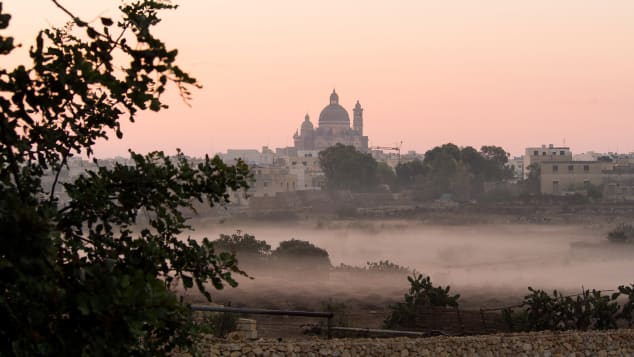


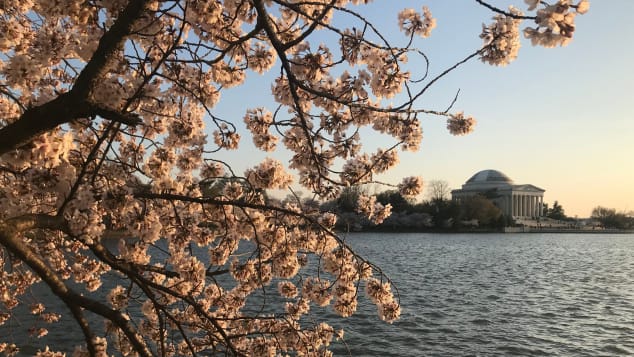


 Around The World Travel